Jangsaengpo: whale history and harbor views in Ulsan
한국관광공사 이범수 (공공누리 제1유형) · Original · KOGL Type 1 ·
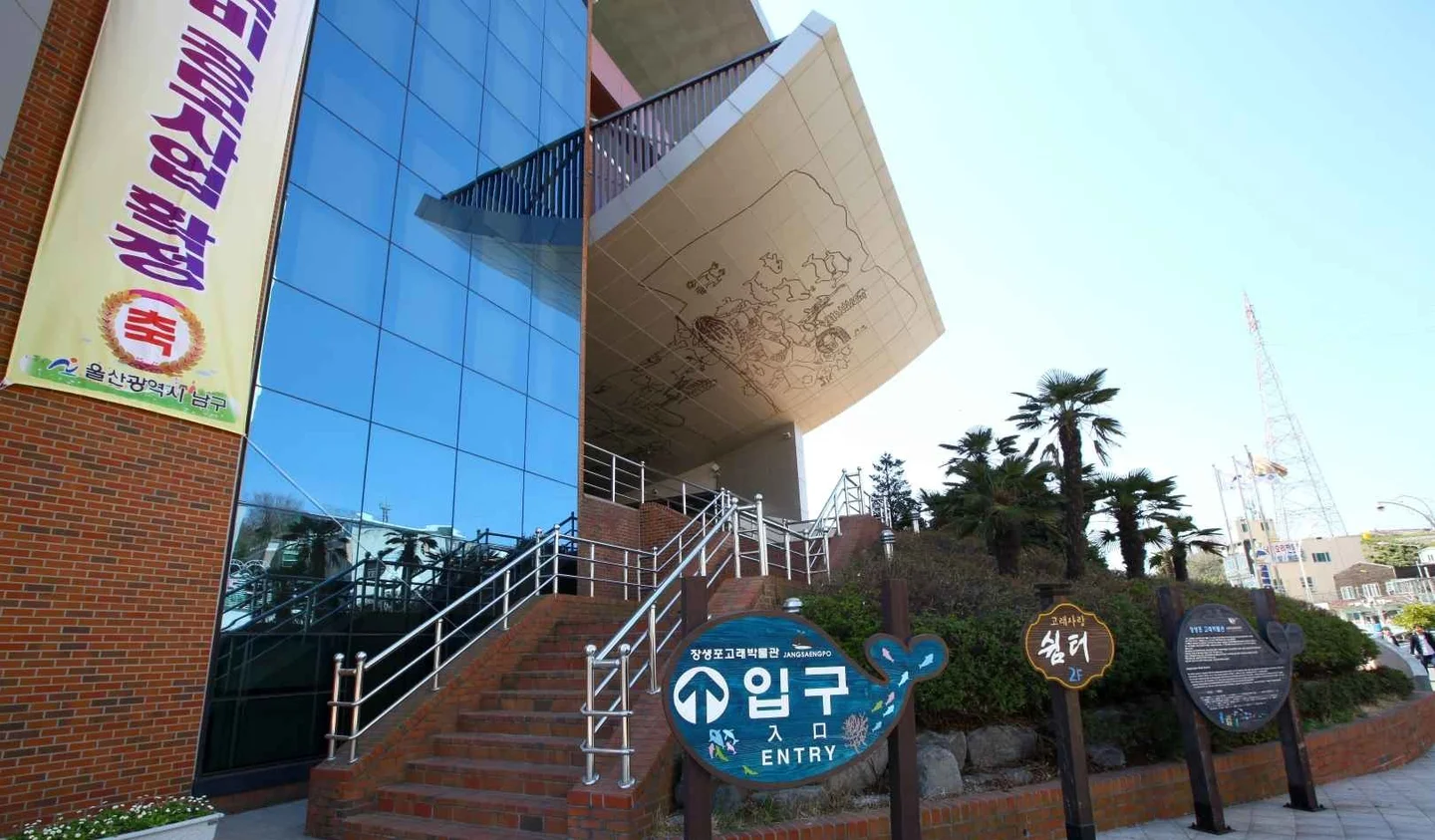
Jangsaengpo brings together several different sides of Ulsan’s maritime story. A museum preserves the port’s whaling history, an aquarium houses dolphins, a recreated village recalls life in the 1960s and 1970s, and sightseeing boats head out toward the open sea. Choosing which experience interests you is the key to planning a visit: these are separate facilities spread across the waterfront and hillside. The setting is unmistakably an industrial port. Large ships, cranes, storage areas, and Ulsan Bridge form the backdrop, giving Jangsaengpo a character quite different from a beach resort. Come for exhibitions, an outdoor village walk, and a closer look at the relationship between the city and the sea. For a first visit, the Whale Museum and Whale Culture Village make a useful combination. Allow roughly half a day, with additional time for an aquarium visit, a monorail ride, or a cruise. A booked sailing should determine the rest of the schedule, since it takes you away from the land-based attractions for a substantial part of the day.
Start with the Whale Museum
Marie · Original · CC BY-SA 2.0 ·
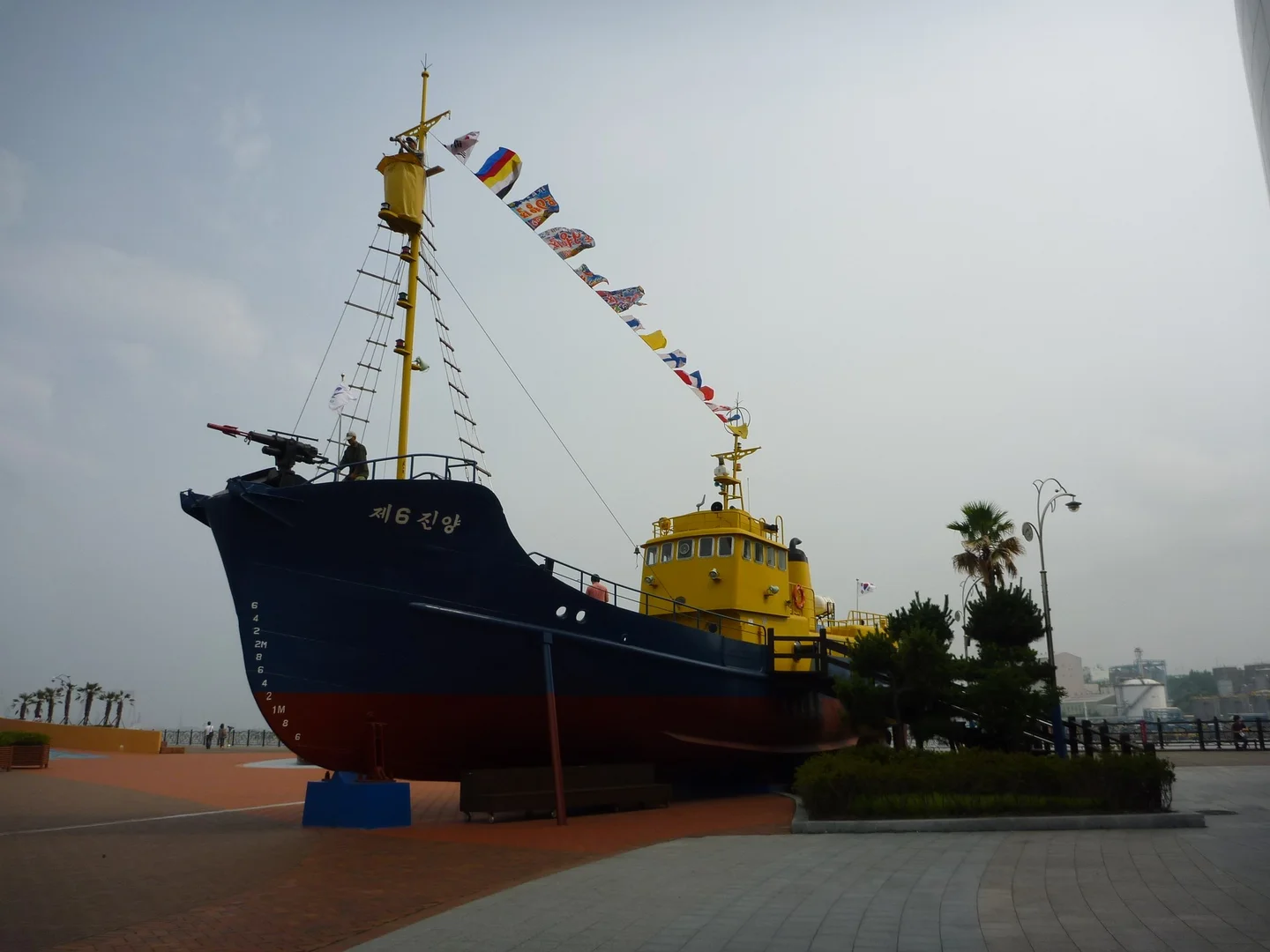
The former whaling ship displayed on land helps explain why this particular harbor became the center of Ulsan’s whale-themed district. Its hull and equipment make the scale of the old industry tangible. It is a museum exhibit, separate from the passenger vessel used for today’s sightseeing cruises. Inside Jangsaengpo Whale Museum, tools, records, and specimens trace the port’s history and introduce the animals themselves. The local Whale Culture Foundation describes the museum’s role as preserving objects from an industry that disappeared after commercial whaling was banned in Korea in 1986, alongside marine education. The visit can raise questions about how people’s relationship with whales has changed over time.
Korea Tourism Organization, Lee Bumsu · Original · KOGL Type 1 ·
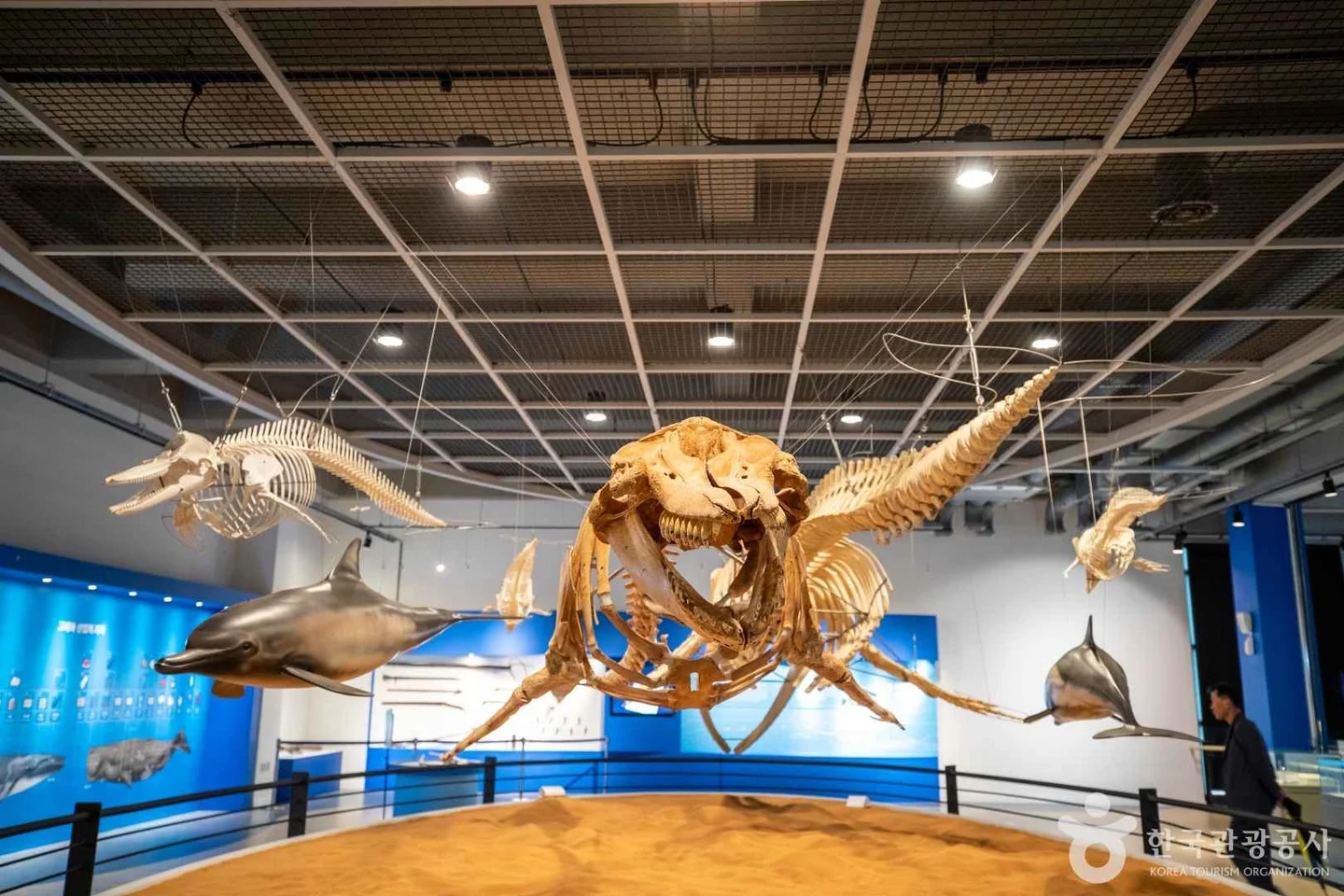
The skeleton displays are a highlight even if you do not read every label. Follow the spine, look at the shape of the skull, and compare the ribs with the surrounding models. Seeing the internal structure at this scale gives a different sense of a whale’s body than looking at a drawing or a distant shape at sea. With children, one question at a time works well: how is the body supported, or which bones resemble those of land mammals? Use the specimen labels for identification rather than guessing the species from size. The museum also has tactile interpretation, with accessible information highlighted in the Korea Tourism Organization’s 2026 visitor guide.
Decide whether to include the aquarium
한국관광공사 이범수 (공공누리 제1유형) · Original · KOGL Type 1 ·
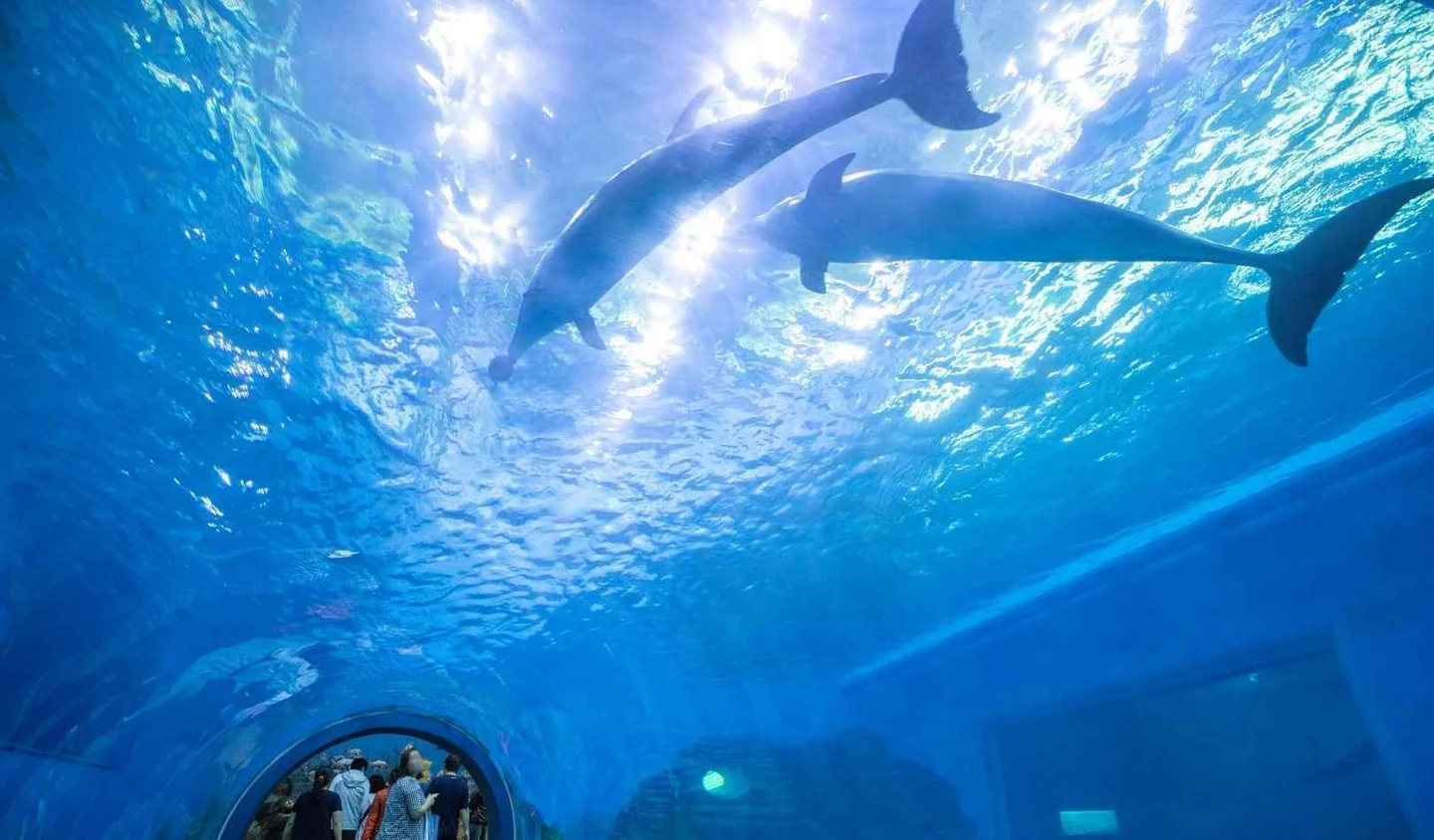
The Whale Life Experience Museum is a separate attraction with live dolphins and underwater viewing areas. The name can be confusing in English: this is an aquarium experience, while the Whale Museum focuses on exhibits and the cruise offers a chance to encounter animals in the wild. Choose the aquarium if observing live dolphins in that setting is part of the visit you want. Travelers who prefer to avoid captive-animal displays can continue from the history museum directly to the village. Either choice fits naturally into a Jangsaengpo itinerary. Program times and admission arrangements differ from those at the history museum, so look for the exact facility name when buying tickets. If you are combining several attractions, allow time to move between buildings instead of treating the district as a single indoor museum. A short waterfront break is useful before the climb toward the village.
Walk through the recreated port neighborhood
Jangsaengpo Whale Culture Village sits uphill from the museum area. Its recreated streets show the scale and texture of an earlier neighborhood: a school, a barbershop, a bookstore, shops, and other places associated with daily life. These are visitor spaces designed to evoke the old community, rather than an untouched residential quarter. The appeal lies in walking between full-size buildings and noticing ordinary details. A shop sign, a classroom, or a household object can tell you as much about the period as a long historical summary. Some rooms contain displays, while others may host activities; follow the day’s program information if you want to join a particular experience. For families, comparing the old school and shops with their present-day equivalents gives the walk a simple focus. Uniform rentals and other themed activities are additional choices, with availability determined by current operations. The outdoor setting also makes the village a useful change of pace after time in the museum galleries. The hillside requires more planning for wheelchair users or anyone who finds slopes difficult. The Korea Tourism Organization’s updated accessible-tourism guide describes improved paths, an assistance bell at the village approach, and a lift-equipped sightseeing vehicle serving parts of the area. Check the relevant boarding point and assistance arrangements before relying on that service. Accessibility varies between the waterfront buildings, the climb, and individual village interiors.
The harbor, monorail, and sea cruise
Glabb · Original · CC BY-SA 3.0 ·
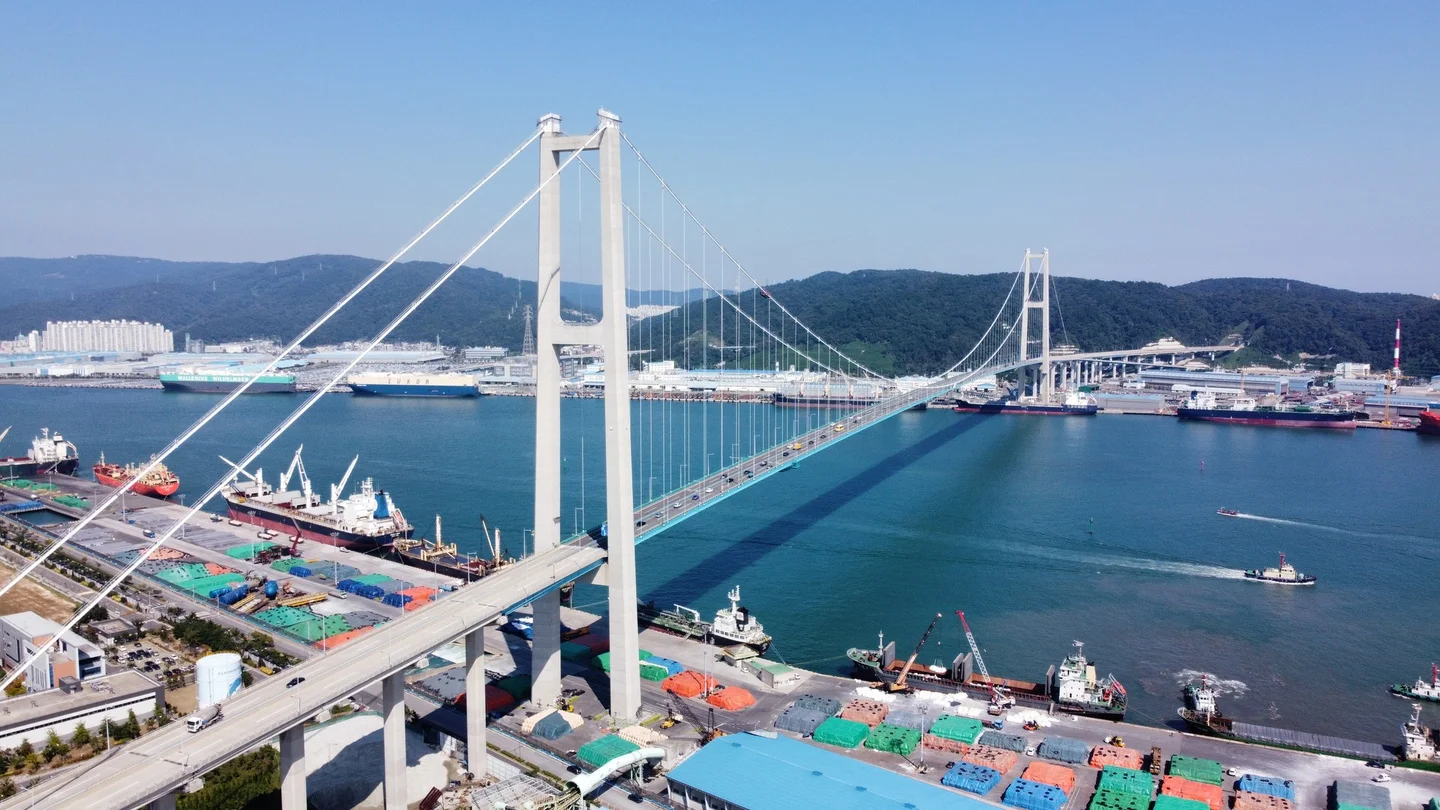
From open viewpoints in the district, Ulsan’s working waterfront becomes part of the visit. The bridge, ships, and industrial shoreline show how closely the city’s growth has been tied to the sea. Choose marked visitor paths and viewing areas; the surrounding port also contains active work sites. Jangsaengpo’s monorail offers another way to see the district from above. It follows a loop linking the museum and village area, with views through enclosed windows. Treat it as a separately ticketed attraction and check the current boarding and reboarding rules, particularly if you hope to use it as part of the journey uphill. Waiting time matters on a day with a fixed museum or sailing deadline. The Whale Sea Travel Cruise is a different commitment. Look at the purpose of the specific departure: a coastal or harbor cruise and a trip searching for wild whales do not offer the same experience. Wildlife sightings are never guaranteed, and weather or sea conditions can affect whether a sailing goes ahead. Before booking, confirm the departure point, check-in deadline, and accepted identity document for every passenger. Foreign visitors should ask specifically which travel document the operator accepts. Arrive for the stated check-in time, with enough margin to find the pier and complete boarding procedures. On a cruise day, shorten the land itinerary to the attractions that fit comfortably around the sailing.
Arrival and ticket planning
Use Jangsaengpo Whale Museum as a clear map destination if it is your first stop. Ulsan’s KTX station, Taehwagang Station, and the intercity bus terminals are separate arrival points and all require onward travel to Jangsaengpo. Check a current bus or taxi route from the station you are actually using; the name “Ulsan” alone is not enough to plan the transfer. The KTO guide updated August 7, 2026, lists Monday closures and closures on Lunar New Year’s Day and Chuseok Day for the principal exhibition facilities. Confirm holiday exceptions and individual opening hours before traveling. Combination tickets also need a close look at the included attractions, since the museum, aquarium, village, monorail, and cruise do not all share one admission arrangement. For drivers, pick parking near the first attraction and note the route back from the hillside. For bus travelers, save the return stop as well as the arrival stop before beginning the visit. That leaves the rest of the time for the exhibits, the old-neighborhood walk, and the harbor beyond.