Yangnim-dong, Gwangju: Courtyard Houses, Hilltop Homes, and Craft Alleys
NZ 토끼들 · Original · CC BY-SA 4.0 ·
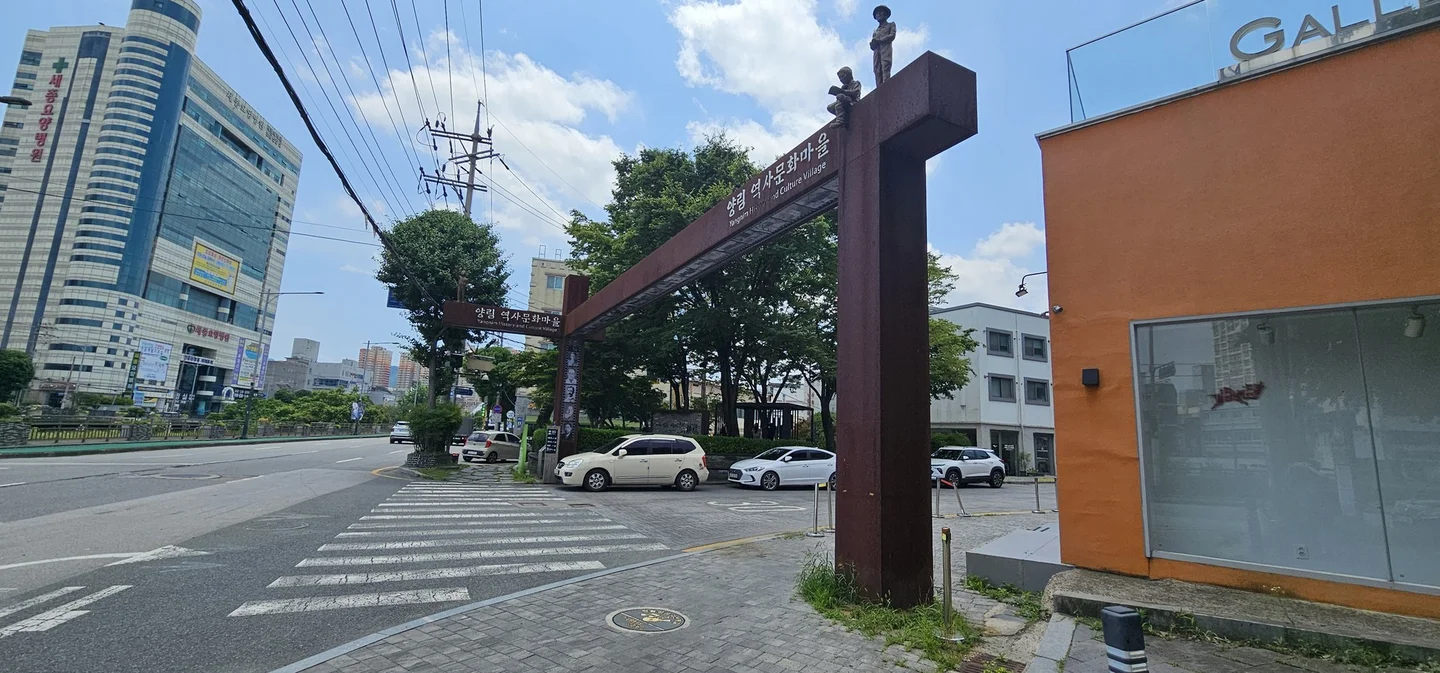
Yangnim-dong rewards travelers who enjoy noticing how a neighborhood is put together. Tiled roofs and enclosed courtyards sit near a red-brick church tower, while a wooded slope holds a Western-style missionary residence. The contrasts are close enough to explore on foot, with cafés and craft shops providing breaks between the older buildings. This is a living neighborhood with homes, churches, and educational institutions, so the walk is as much about the streets between landmarks as the landmarks themselves. Choose a traditional house, a hilltop residence, and a few alleys to begin with. You can add a city view from Sajik Park if you still want more walking afterward. Namgwangju Station is a useful subway approach. From there, set a specific first destination such as Penguin Village or Yi Jang-u's House instead of navigating to the district as a whole. Drivers can use the public parking serving Yangnim-dong History and Culture Village and explore on foot. The narrow residential lanes are easier to enjoy without trying to move the car between individual houses. Begin with the lower lanes, then decide whether to climb toward the missionary buildings. Adding both that slope and Sajik Park makes a more active outing than a simple café-and-alley stroll. If you want to enter a particular historic property, check its visiting arrangements before deciding the order of the walk.
Yi Jang-u's House: Rooms Around a Courtyard
NZ 토끼들 · Original · CC BY-SA 4.0 ·
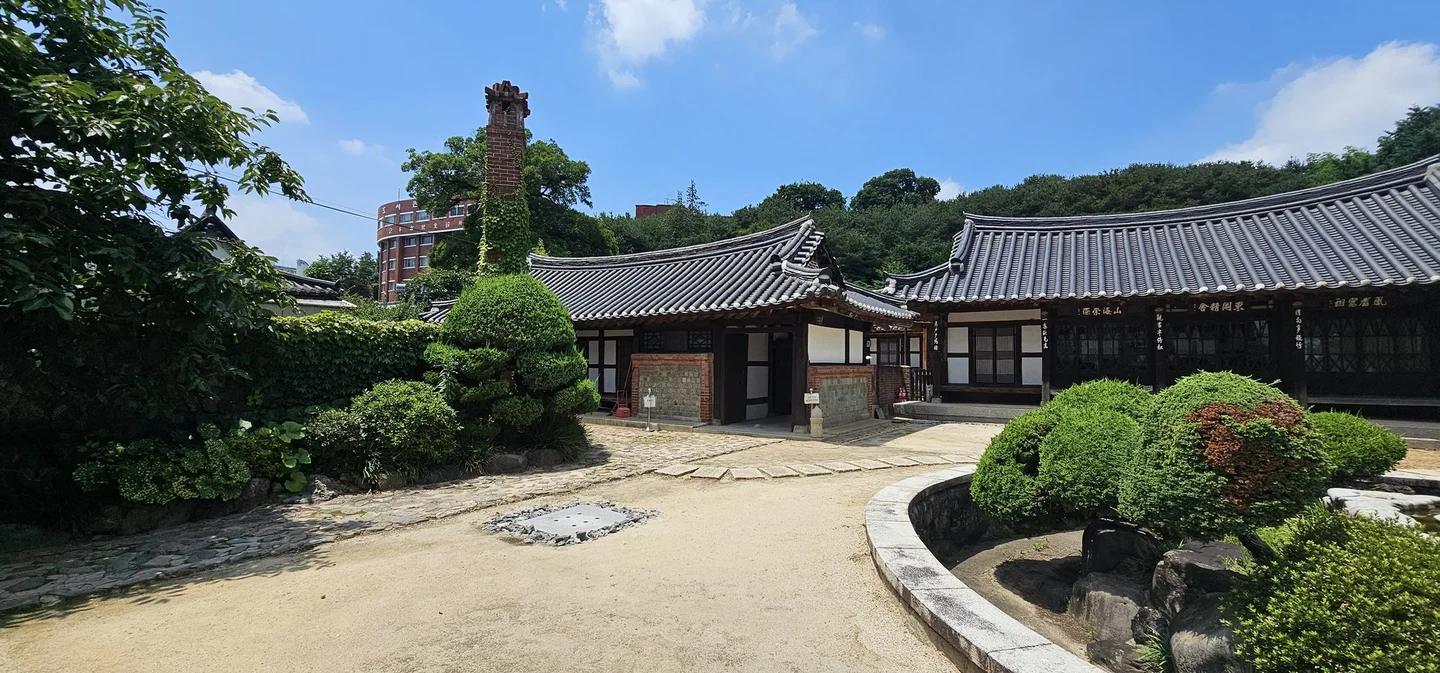
Yi Jang-u's House introduces the neighborhood through traditional Korean domestic architecture. Look at how the tiled roofs, timber supports, and separate buildings organize the courtyard. Moving from the gate toward the inner spaces reveals more than a single view of the facade: each doorway changes what you can see and how the buildings relate to one another. The complex is an example of an upper-class residence that developed around the turn of the twentieth century. Its inner quarters have an L-shaped plan, while other buildings served different household functions. Notice how the veranda links the rooms to the yard, then compare that relationship with the taller Western-style house later in the walk. Gwangju's tourism page, checked October 12, 2026, lists visiting hours as 9 a.m.–6 p.m., with Sunday closed. Confirm the available visiting area on arrival; access to the courtyard does not automatically include every room or raised wooden floor. Nearby Choi Seung-hyo's House can extend your interest in traditional residences, but plan around the areas actually open to visitors. The district's streets are public walking routes; individual homes and enclosed grounds have separate access arrangements. A focused visit to one open house is more useful than a hurried round of closed gates.
A Church Tower and a House Among the Trees
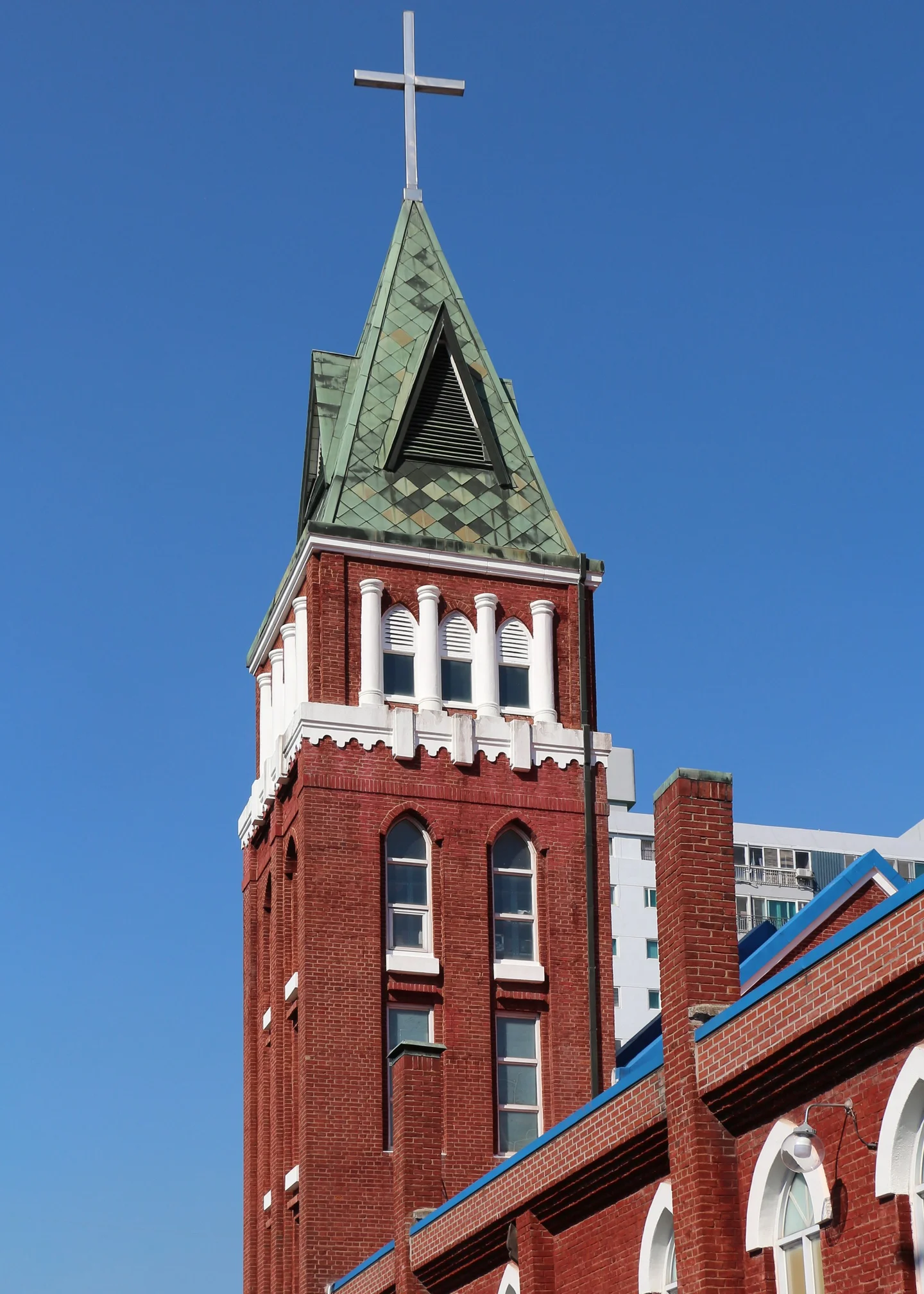
Yangnim-dong's Christian missionary history is closely connected with the development of schools and medical institutions in Gwangju. Yangnim Church's brick tower gives that history a visible presence among the neighborhood's roofs. Its pointed form, tall windows, and vertical proportions offer an immediate architectural comparison with the low tiled houses. You can appreciate the exterior as part of a neighborhood walk. If you want to enter a church or attend an event, check the particular congregation's arrangements rather than treating the building as a museum. Similar church names can appear on a map, so use the full name and location when choosing your route.
Htus · Original · CC BY-SA 4.0 ·
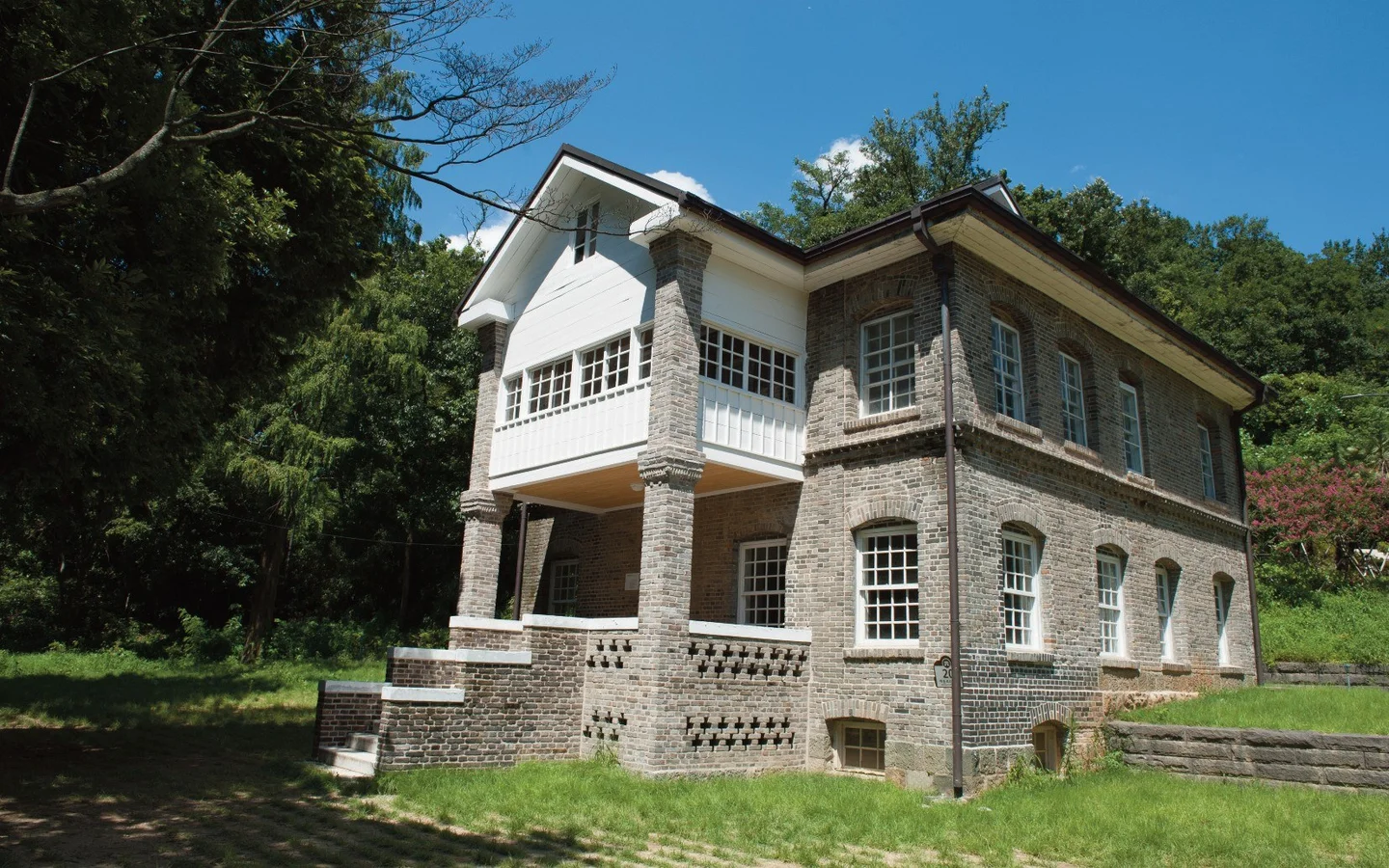
The Wilson Missionary Residence, associated with the American doctor known in Korean as U Il-seon, stands on the lower slopes of Yangnimsan. Its gray brickwork, tall windows, and two-story form feel different from the courtyard house below. Trees and the open space around the building are part of its appeal, giving the upper section of the walk a quieter setting. Compare the ways the two houses connect to the outdoors: the hanok spreads around its yard, while the Wilson residence places rooms on two floors, with large windows and a porch. Exterior details make a worthwhile visit even when interior access is limited. Follow the current visitor signs rather than assuming the house is always an open exhibition hall. Getting here adds uphill walking. For a stroller or mobility aid, check the actual approach and gradient, not just the straight-line distance on a map. If your main interests are traditional houses and crafts, staying in the lower neighborhood is a practical alternative. Architecture tours can add context, but confirm the language and booking arrangements in advance if you want a guided visit.
Penguin Village and the Craft Street
Penguin Village gives everyday objects a new role in the neighborhood. Clocks, pots, frames, and other reused items decorate the alleys, with craft studios adding places to browse or try making something. The attraction is the creative use of lived-in streets and familiar objects, rather than a collection of grand buildings. The craft area includes workshops working with materials such as leather, textiles, and wood. If a class interests you, ask about its length, age suitability, and whether the finished item can be taken away the same day. Some activities fit neatly into a short visit; others involve drying or finishing time that may not suit your onward plans. The Korea Tourism Organization's listing, updated October 8, 2026 and checked for this guide, gives the resident workshops' general hours as 10 a.m.–6 p.m., with Monday closed. The alleys themselves remain a separate walking area. Individual class bookings and shop arrangements should still be confirmed with the studio you choose. This part of Yangnim-dong is a good place for a café break before or after the hill. Take time to look at the objects and ask makers about their work, while keeping doorways and narrow residential passages clear.
Finish with the View from Sajik Park
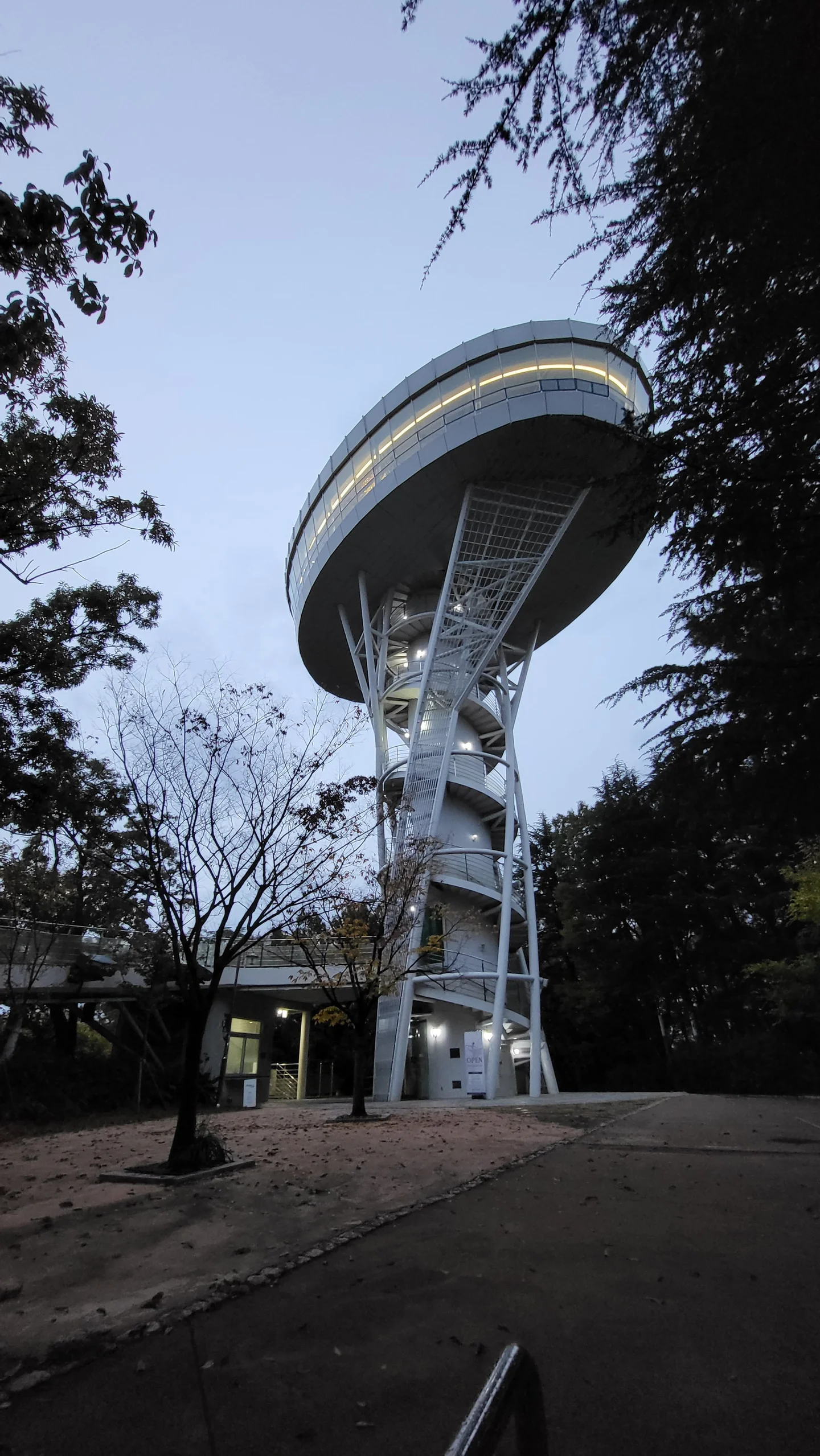
VaneTrz20 · Original · CC BY-SA 4.0 ·
Sajik Park's observation tower offers a wider view after the close-up architecture of Yangnim-dong. Above the nearby roofs, the city spreads toward the distant mountain ridges. The tower has both a spiral staircase and an elevator to the viewing level, with displays on another floor adding context to the city below. The elevator serves the tower, not the entire uphill approach from the neighborhood. Consider the park entrance and final walk separately if stairs or slopes are difficult. It is an optional extension: if you have already spent a long time exploring the houses and craft alleys, a café stop below may be a better finish. The Korea Tourism Organization's June 2026 listing gives tower hours as 9 a.m.–10 p.m., with last entry at 9:40 p.m. Check current facility notices for an evening visit, and arrive with time to orient yourself in the park before dark. From the viewing level, look back toward the streets you have explored and, when visibility allows, toward Mudeungsan beyond the city.