Uirimji Reservoir: A Lakeside Walk Beneath Jecheon’s Old Pines
Republic of Korea from Seoul, Republic of Korea · Original · CC BY-SA 2.0 ·
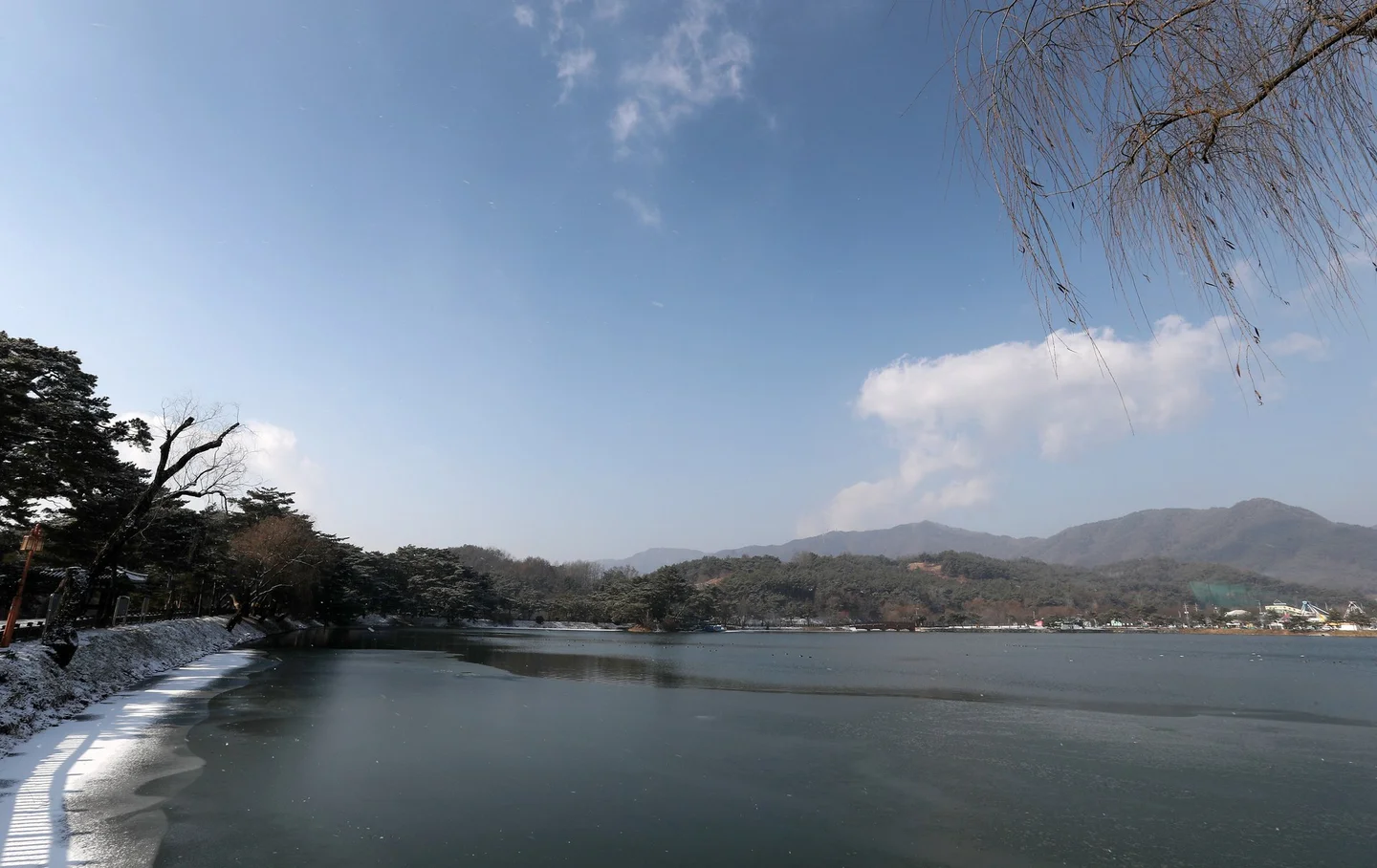
The best reason to visit Uirimji is the combination of open water and close, sheltering trees. One moment you can look across the reservoir toward the hills; a few steps later, the view is broken into smaller pieces by the leaning trunks of the embankment pines. It is an easy place to build a Jecheon outing around a walk, with a waterfall viewpoint and a history museum close enough to add without committing to a mountain hike.
Uirimji began as a reservoir for irrigation. Its first construction date is uncertain, and the stories attached to it reach much further back than the pavilions visible today. Start with the landscape itself: the raised bank holds the water, the trees occupy the bank, and the reservoir belongs to the agricultural history of the surrounding area. The name Jerim refers to that embankment woodland. Together, water and forest form a nationally designated scenic site. A useful first visit begins near the visitor information center, follows the wooded shore, and continues toward Yongchu Falls. Add the museum if you want to understand the waterworks, or Solbat Park if you would rather stay outdoors. Jecheon Station and the bus terminal are in the city, so allow for a local bus or taxi connection before the walk begins. Use Uirimji as the destination when arranging that final leg, rather than treating arrival in Jecheon as arrival at the lake.
Jerim’s Pines and the Lakeside Pavilions
Republic of Korea from Seoul, Republic of Korea · Original · CC BY-SA 2.0 ·
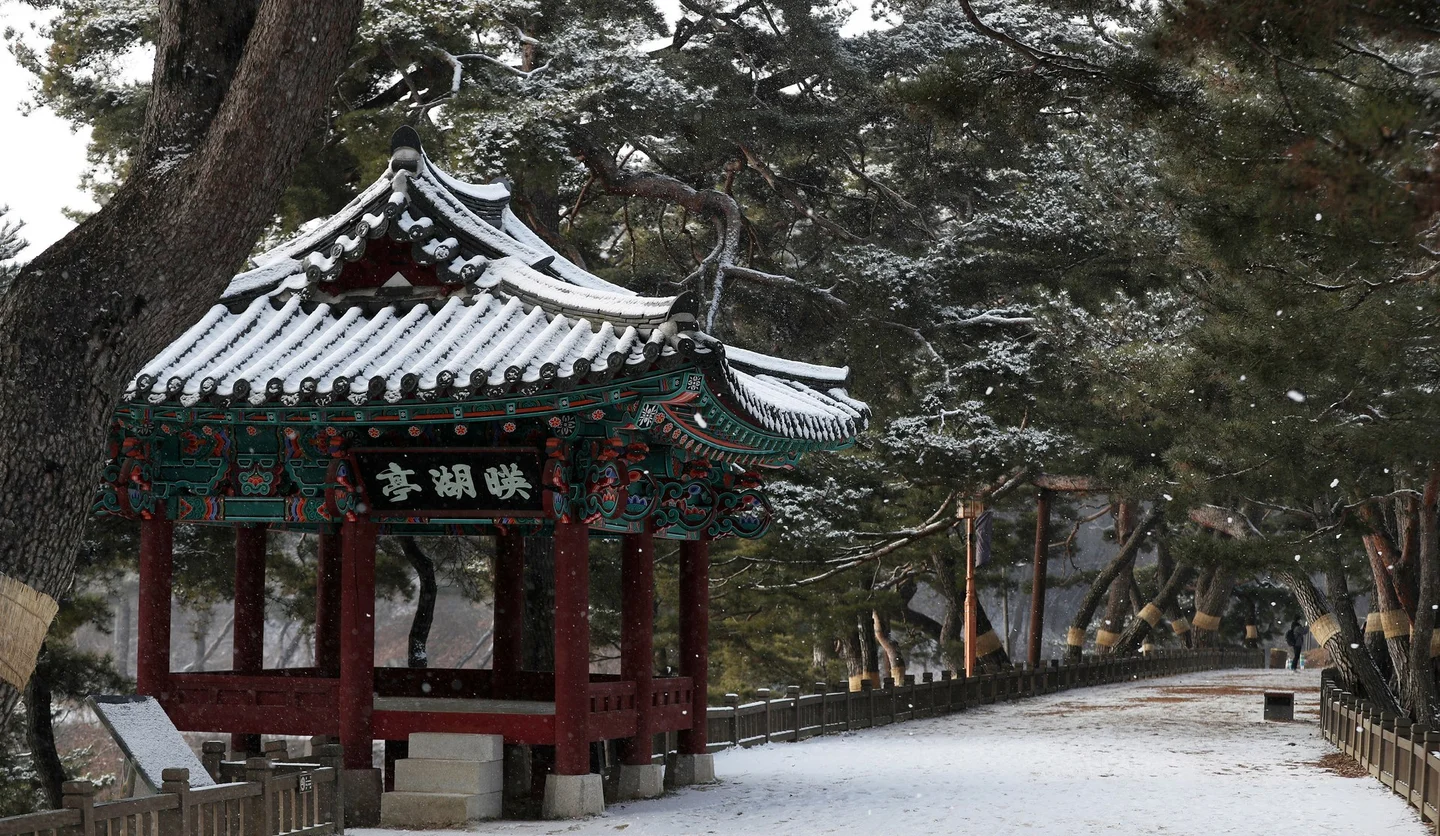
Under the pines, the shoreline feels more intimate. Broad branches spread over the path, and gaps between the trunks reveal the water beyond. There is plenty to notice without constantly moving: the way a trunk bends toward the lake, the texture of the bark, or the change from the exposed embankment to a shaded patch of ground. This is the part of Uirimji to leave unhurried. Yeonghojeong Pavilion is a good landmark along the wooded shore. Its tiled roof and painted wooden frame bring a different scale to the trees around it. Gyeonghoru is another lakeside pavilion, with its own history and location; the two names do not refer to the same building. Follow their signs as separate stops rather than searching for a single grand pavilion that represents the entire reservoir. The paths vary underfoot. Packed earth and exposed roots appear among the trees, while other stretches have constructed walkways. With a stroller or wheelchair, choose the smoother shore sections first and assess any change in level before continuing. Winter brings particularly clear views through the bare branches, but shaded ground can remain icy after the sunny sections have thawed. Stay on the shore paths even when the reservoir appears frozen.
Yongchu Falls and the Reservoir’s Wildlife
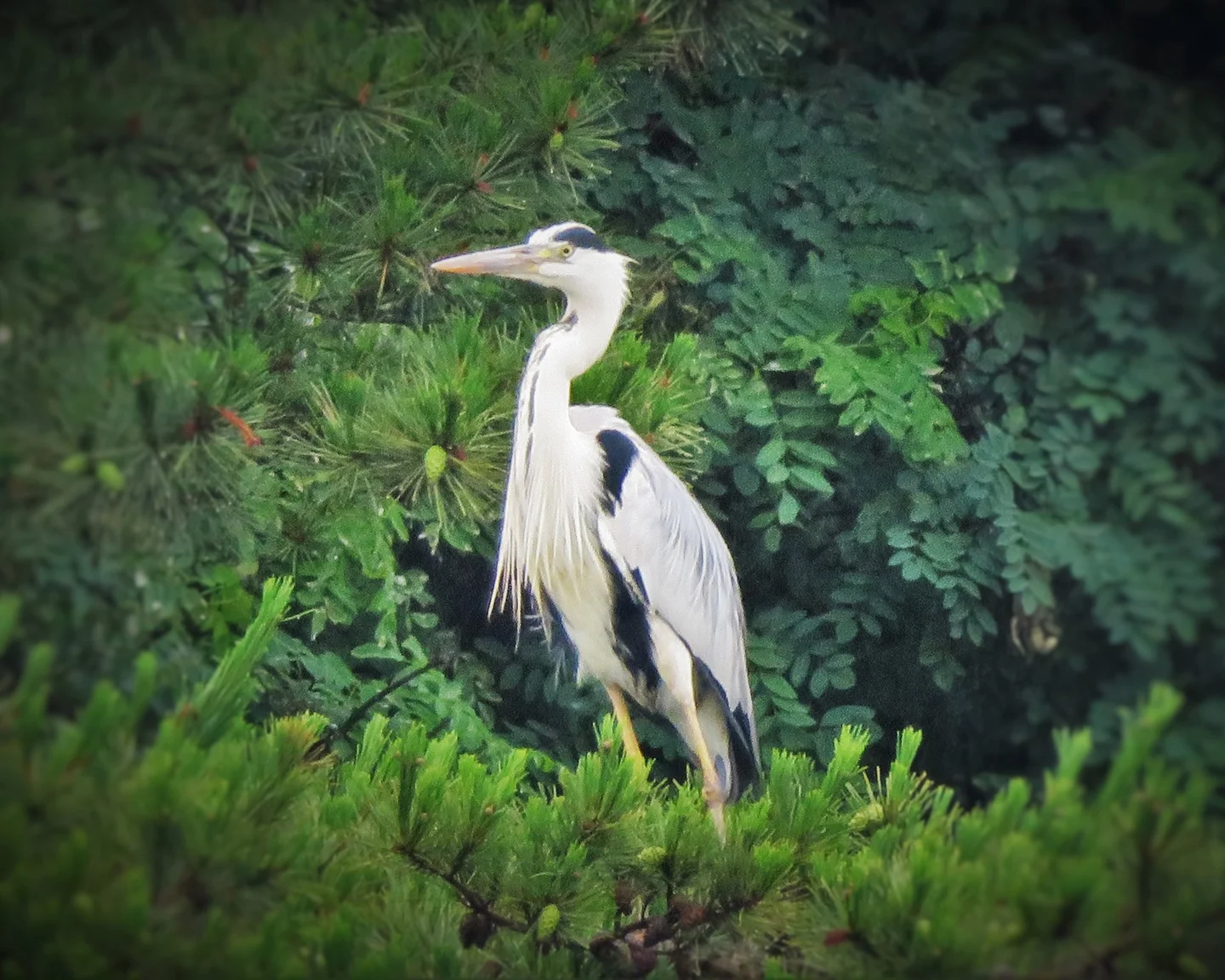
Yongchu Falls gives the walk a sudden change in perspective. At the reservoir, the water spreads outward in front of you; at the glass viewpoint, you look down toward the falling water. The transparent section is a short addition to the lakeside outing, not a requirement for enjoying it. Anyone uncomfortable with heights can stay with the shore views while others try the viewpoint. Monday matters if the waterfall is your main reason for coming. Jecheon’s tourism information, checked October 12, 2026, lists the reservoir as open year-round but the waterfall and fountains as not operating on Mondays. That distinction leaves the woodland walk available while changing the water-feature part of the visit. Use the visitor information center for the day’s access conditions if weather or maintenance affects the viewpoint. The trees and water also reward a little quiet observation. A heron may be perched among the branches rather than standing visibly at the water’s edge. Pause and look before moving closer; binoculars are more useful than trying to approach through the vegetation. Wildlife adds interest to the walk on its own terms, without a fixed viewing time or a guaranteed location.
Add the Museum or a Longer Walk
Uirimji History Museum explains how the reservoir formed, how its structure holds water, how irrigation worked, and what lives around the lake. Visiting after the shore walk gives those displays a useful reference point: you have already seen the bank and water they describe. With children, follow one question through the visit, such as how stored water reaches a field, rather than trying to read every label. The museum is closed on Mondays, so choose another day if the indoor visit is important. On a rainy day, put it before the walk; on a clear day, the woodland makes an inviting start. The museum and the outdoor reservoir are separate facilities, with separate visitor arrangements. For more walking, choose between the pine setting of Solbat Park and the more open agricultural landscape of Samhanui Chorokgil, the Samhan Greenway. Treat either as an extension with its own return distance. The longer trekking routes promoted around Jecheon cover considerably more ground than a simple Uirimji visit. If you arrived by car, check how the added walk brings you back to your parking area before setting off.
A Sweet Stop Back in Jecheon
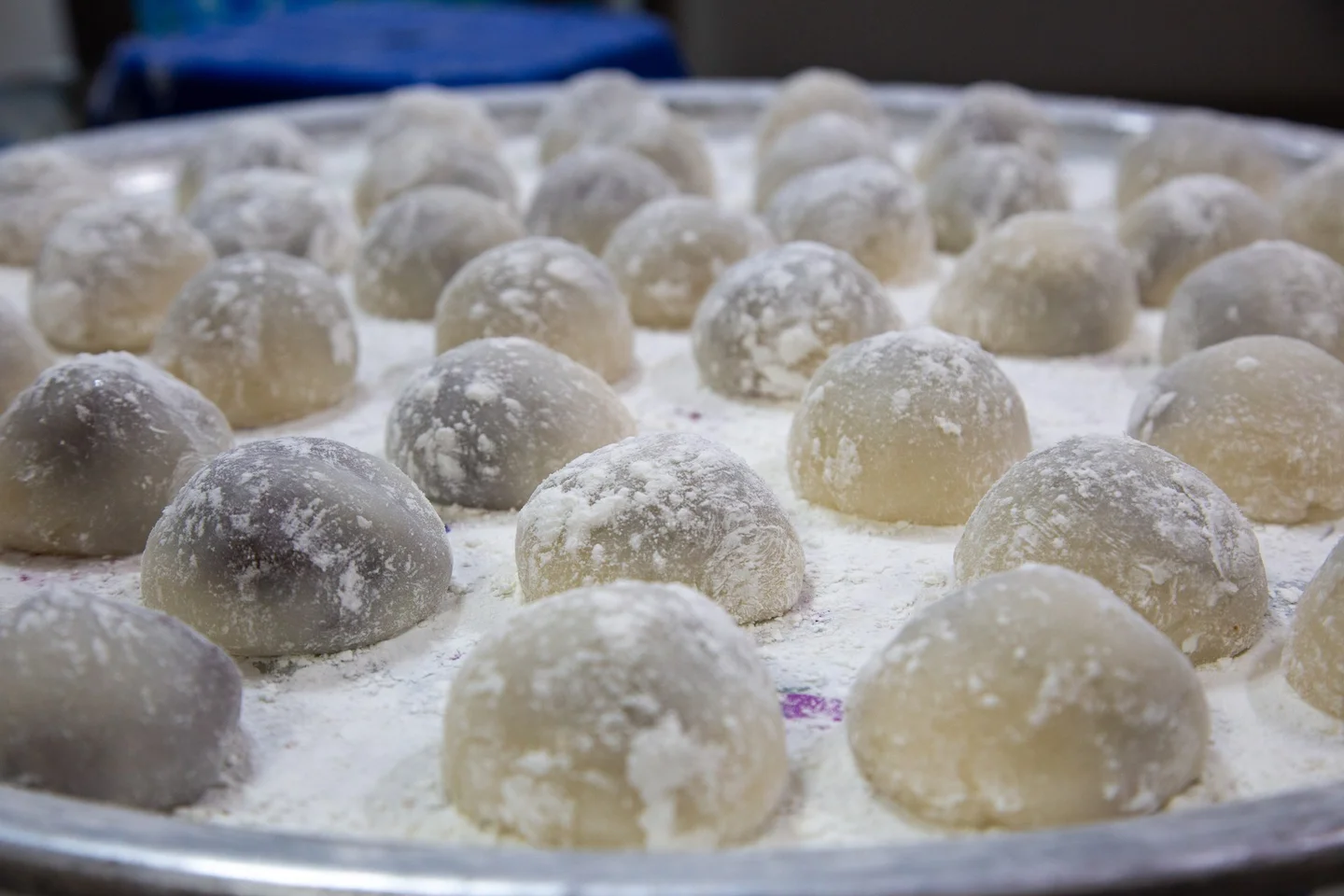
Jecheon’s food itineraries include chapssaltteok and chapssal doughnuts, both made with glutinous rice. Chapssaltteok has a soft, stretchy rice casing, often wrapped around sweet red bean filling and dusted with starch. The appeal is in the contrast between the chewy outer layer and the smooth filling. It makes a small snack to seek out in town after the lake, especially if you are curious about Korean sweets beyond baked goods. Choose the shop as a separate stop rather than assuming every lakeside café sells the same rice cakes. For a take-home box, ask about storage and buy it near the end of the day. A city meal or snack fits naturally before returning to Jecheon Station. Cheongpung Lake lies in another part of the Jecheon area and needs a separate transfer; save it for a longer itinerary instead of squeezing it into the gap before a train.