Haemieupseong Fortress: Gates, Village Houses, and a Hilltop Pavilion in Seosan
Seosan City Government · Original · CC BY-SA 4.0 ·
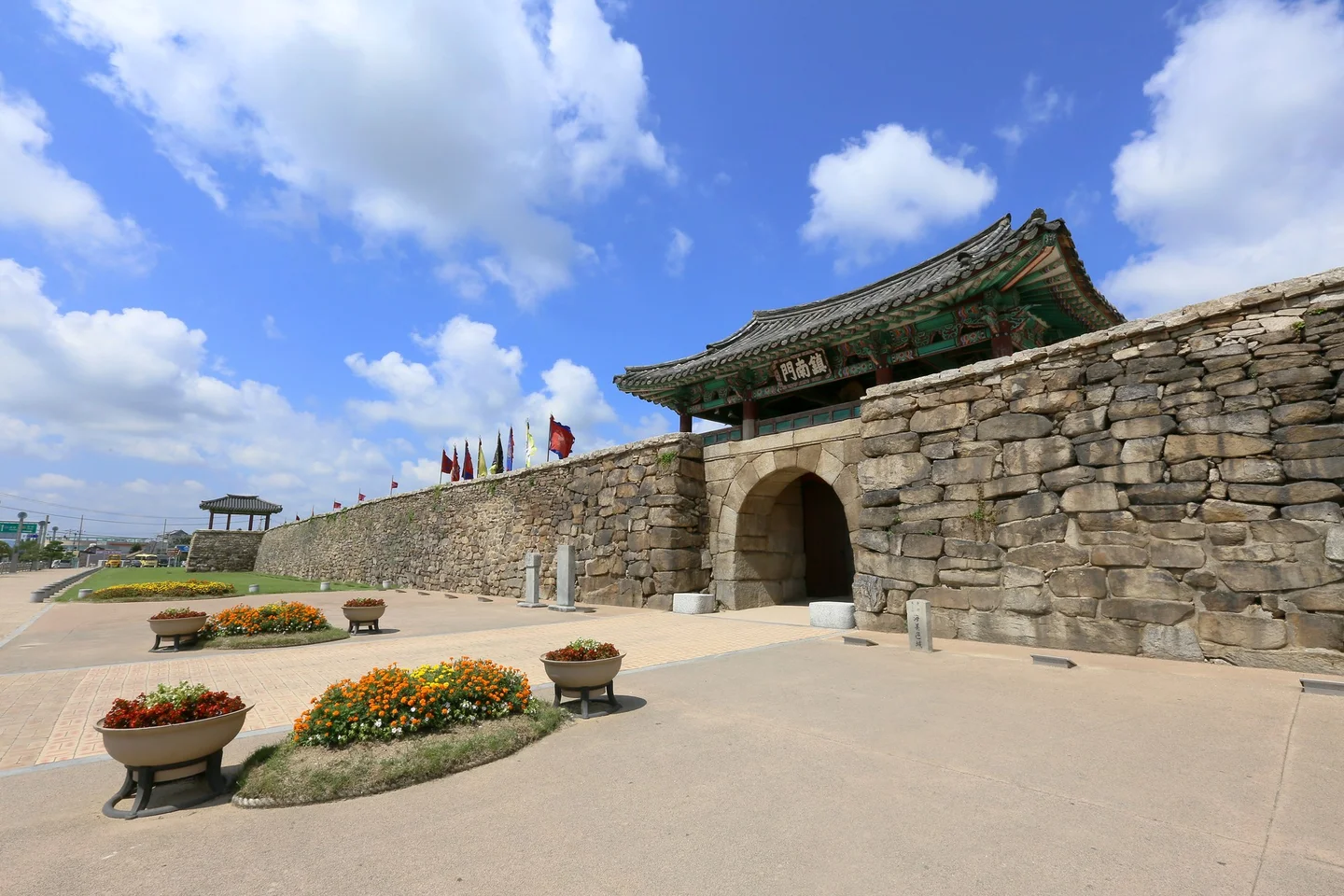
The surprise at Haemieupseong comes just after the gate. From outside, the stone wall looks solid and enclosing. Beyond it, the ground opens into lawns, paths, government buildings, and thatched houses, with enough space between them to make their different roles easy to see. This is a good Seosan outing for travelers who want history at walking pace, with the option of a short climb to Cheongheojeong Pavilion. An eupseong was a fortified town enclosing administrative buildings and places where people lived. Haemi began as an early Joseon military stronghold, built between 1417 and 1421. After the provincial military headquarters moved to Cheongju in 1651, the site continued to serve local military and administrative functions. Those changes help explain why a defensive wall surrounds such a varied interior. Begin at Jinnammun, the main southern gate. From Seosan Bus Terminal, plan an onward connection toward Haemi; by car, locate the fortress parking area in relation to the gate. Once inside, a practical sequence takes in the government compound, the folk houses, and, if the steps suit your group, the pavilion. Haemi International Martyrs’ Shrine is outside the fortress and needs a separate leg of the visit.
The Government Compound: Work and Home Behind the Walls
Korea.net / Korean Culture and Information Service (Jeon Han) · Original · CC BY-SA 2.0 ·
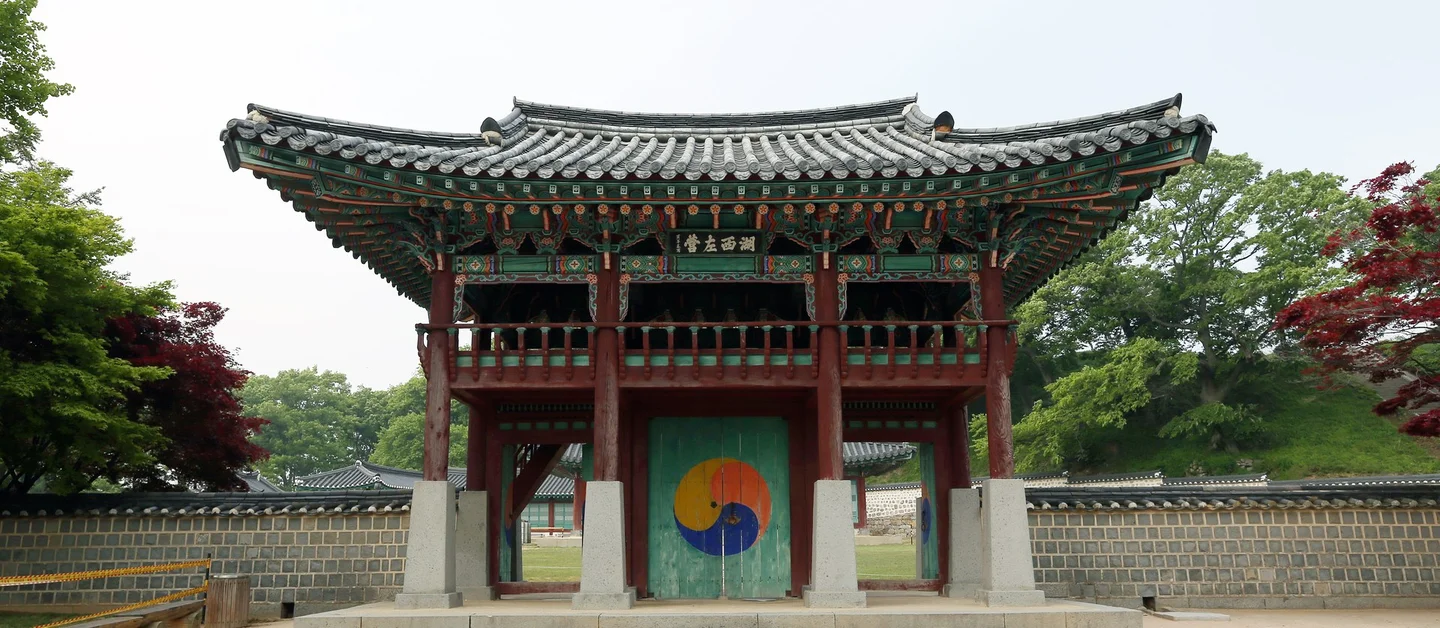
The gateway bearing the Hoseo Jwayeong sign leads into a more formal setting. Painted timber, tiled roofs, enclosing walls, and an open courtyard organize the approach to the government buildings. Take a moment to see that arrangement before going closer. The entrance and courtyard were part of how visitors encountered authority, rather than simply decoration around an attractive old building. Dongheon was the office for the district’s public affairs. Naea was the residence used by the official and his family. Keeping those two functions in mind makes the compound more legible: government work took place near domestic life, but the spaces were distinct. With children, compare the approach to the office with the scale of a house instead of trying to memorize every building name. The site includes reconstructions informed by archaeological research. The national heritage explanation identifies the present Naea as a restoration completed in November 2000 after excavation and study. Read the individual building signs for that distinction between the historic site and the structures now used to explain it. Stone paving, thresholds, and raised floors make access around the buildings different from walking across the open grounds. Follow the visitor route through the courtyards, and assess the entrance to each building separately if someone in your group uses a stroller or wheelchair.
Thatched Houses and Everyday Life
The folk-house area changes the scale of the visit. Low thatched roofs, fences made from plant material, and small yards bring attention to ordinary living spaces after the formality of the government compound. Look at how a path leads past the fence, where the yard sits in relation to the rooms, and how much of daily life would have taken place outside. These are interpretive spaces showing aspects of earlier domestic life, rather than a residential village to wander through. Household tools and reconstructed scenes give you details to investigate beyond the shape of the roofs. Choose one house to look at closely, then compare it with the next; this is often more rewarding than moving quickly past every doorway. Traditional performances and hands-on programs can add another element when they are scheduled. Check Seosan’s cultural facilities program for the date of your visit if a particular performance is important to you. Otherwise, decide after arrival whether an available activity fits around the buildings and walk you came to see. Leave enough time for the program to finish if you plan to continue to the shrine afterward.
Open Paths and the Climb to Cheongheojeong
Lauman.P.1992 · Original · CC BY-SA 4.0 ·
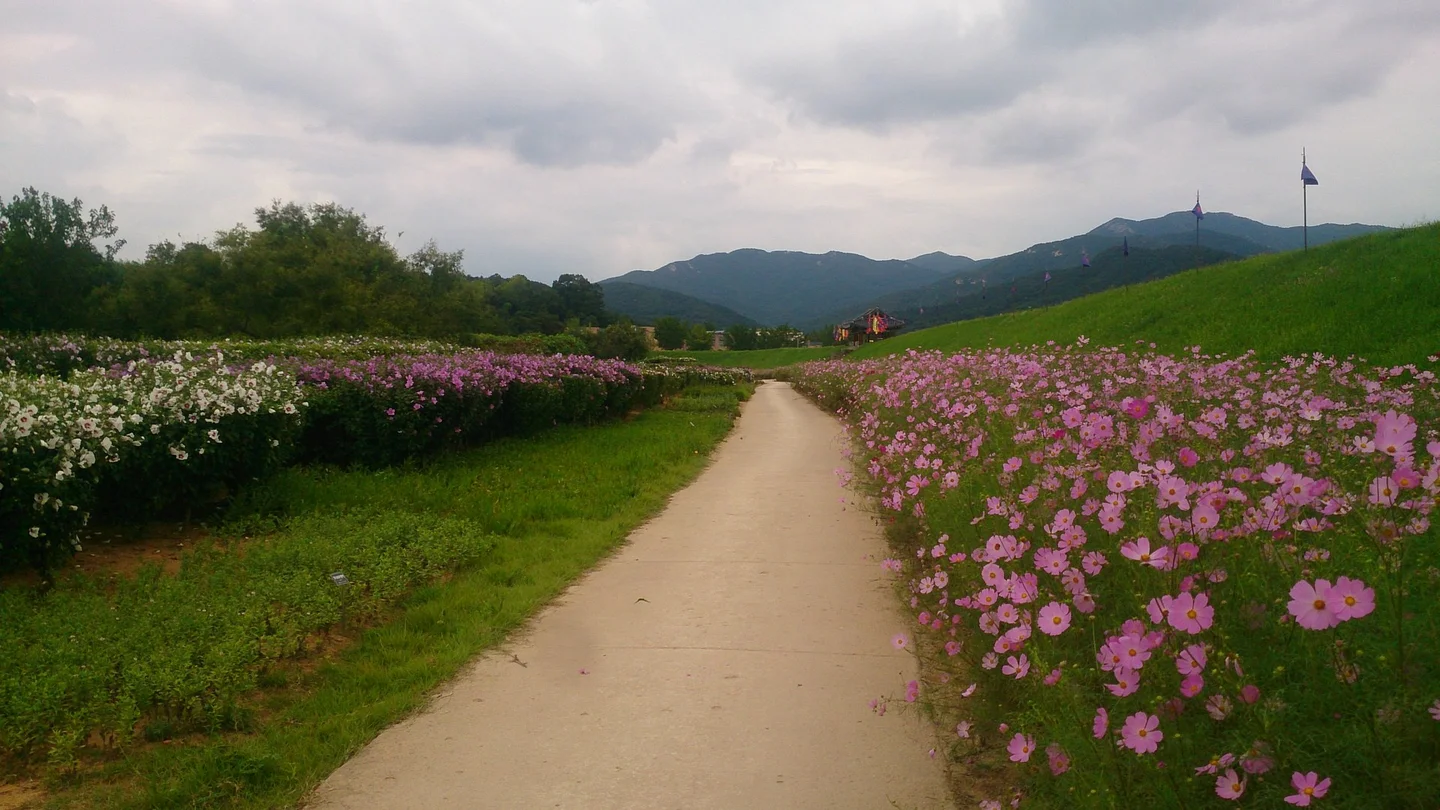
Away from the buildings, the interior paths reveal the size of the fortress. Low mountain ridges appear beyond the grounds, and seasonal planting can bring color beside the earth banks. Walking at ground level lets you see the relationship between the wall, the open space, and the clusters of buildings without needing to follow every edge of the enclosure.
Korea.net / Korean Culture and Information Service (Jeon Han) · Original · CC BY-SA 2.0 ·
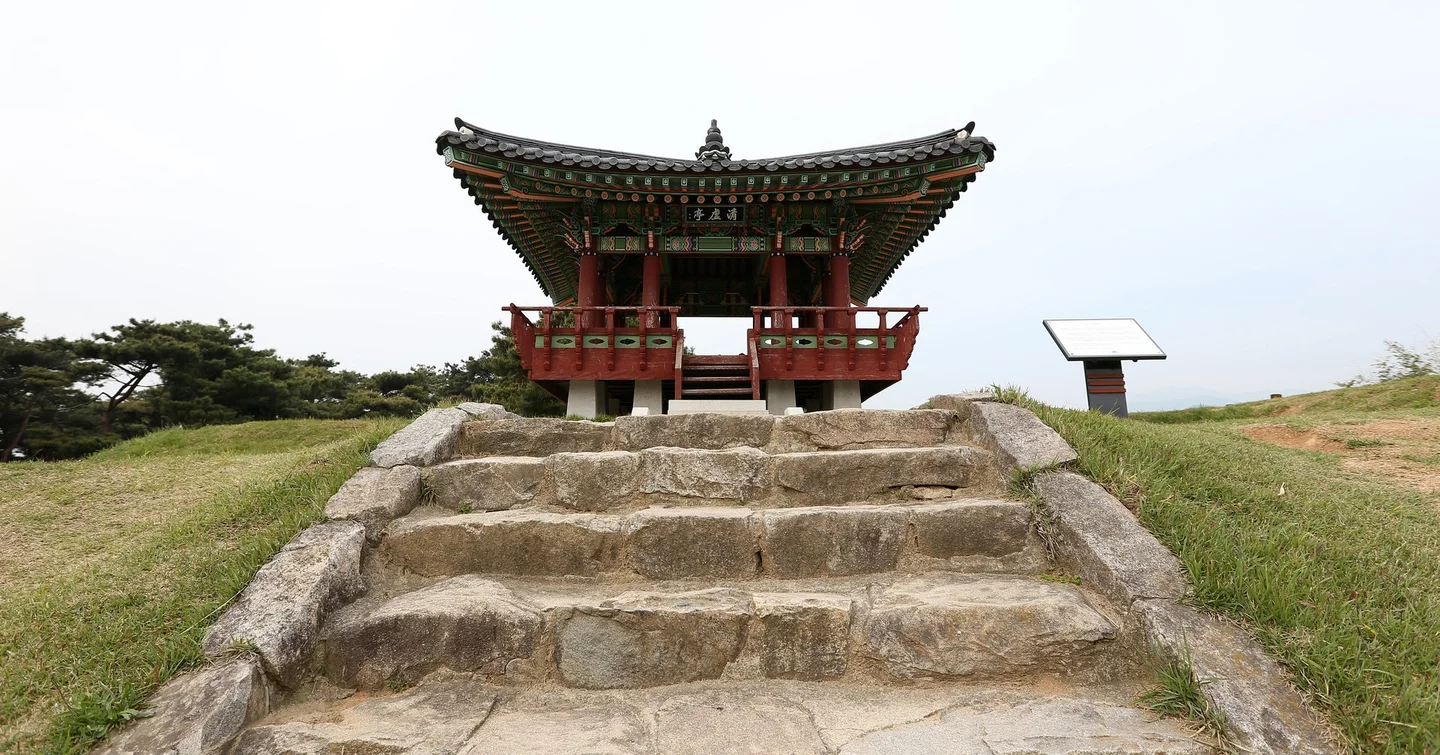
Cheongheojeong adds a small hilltop destination. The approach involves an uphill section and stone steps, so make it an option rather than the default route for everyone. Visitors with knee problems or a stroller can stay on the lower paths while others go up. The pavilion’s raised position changes the view after the flatter courtyards and lawns below. Use designated visitor paths rather than climbing onto the earthen ramparts or treating the wall top as an unrestricted walking circuit. The stone steps near the pavilion also deserve care after rain. Pet owners should plan this stop separately from a dog walk. Seosan’s official guidance, checked October 12, 2026, prohibits pets inside the fortress and around its walls. For an evening visit, check the seasonal closing time with the fortress office and allow enough daylight for the pavilion steps; access to the grounds does not necessarily mean every individual building is open.
Haemi’s Catholic History and the Shrine Outside the Fortress
Seosan City Government · Original · CC BY-SA 4.0 ·
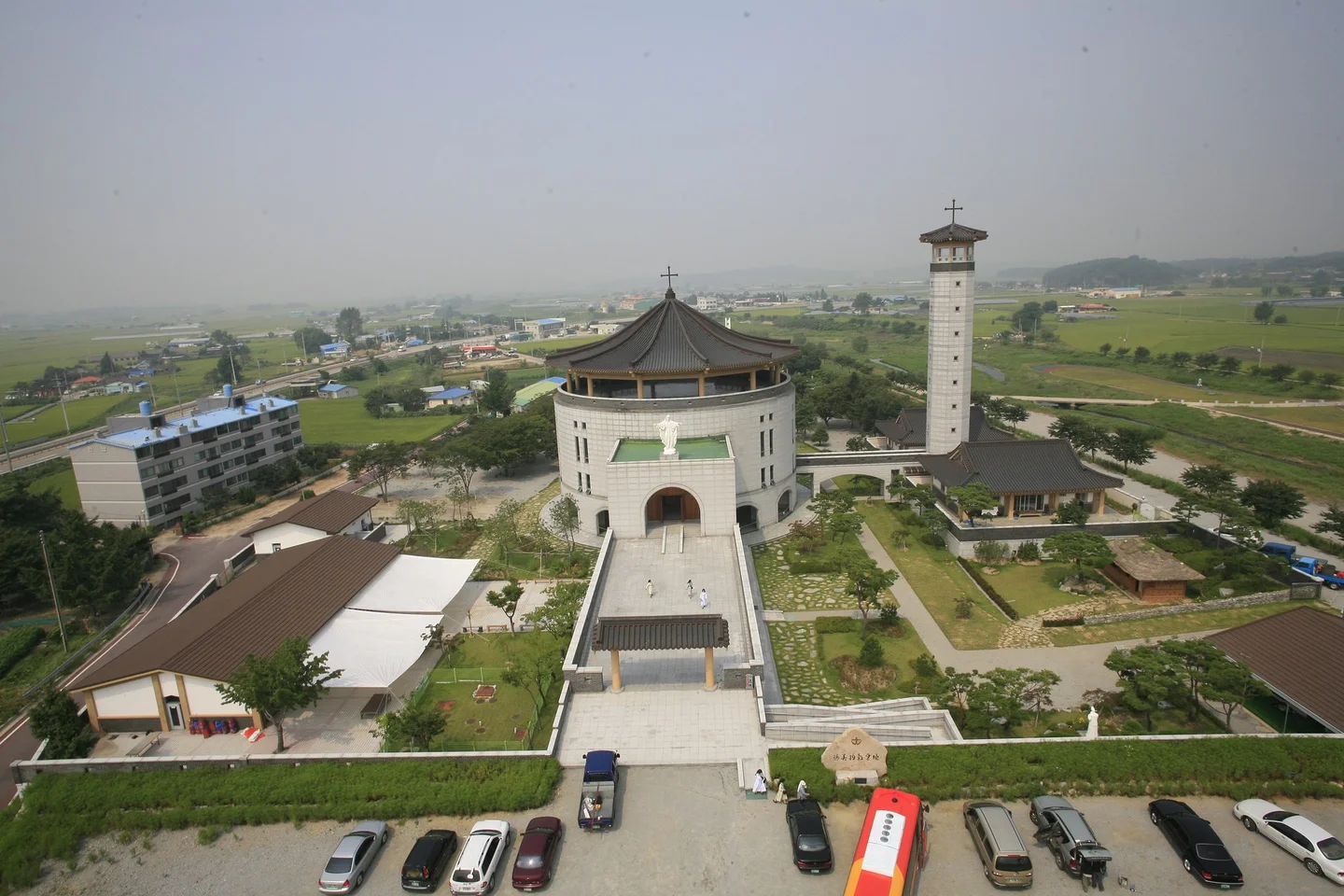
Haemieupseong also has a painful history connected with the persecution of Catholics during the Joseon period. The reconstructed prison and the old tree associated with that persecution give this story a place within the grounds. Allow time to read the interpretation here. Haemi International Martyrs’ Shrine continues that history beyond the fortress walls, commemorating victims of the persecutions, including many whose names are unknown. It is a separate place of worship and remembrance. Allow time for the journey from the fortress and for a quieter visit at the shrine. The church and octagonal tower give the memorial complex a distinctive silhouette. This is a place of remembrance for the martyrs, including many whose names were not recorded. Keep the visit quiet and follow the shrine’s signs about access and photography. Visitors of different beliefs can approach the grounds respectfully without joining a religious service. Keep conversations low near worship and memorial spaces, follow any photography notices, and give people praying room to remain undisturbed. If a service is underway, adjust your route rather than crossing the congregation to complete a sightseeing circuit. From the shrine, arrange your return connection toward Seosan.