gil.KOREA

Boseong Green Tea Fields: Hillside Walks and Tea at Daehan Dawon
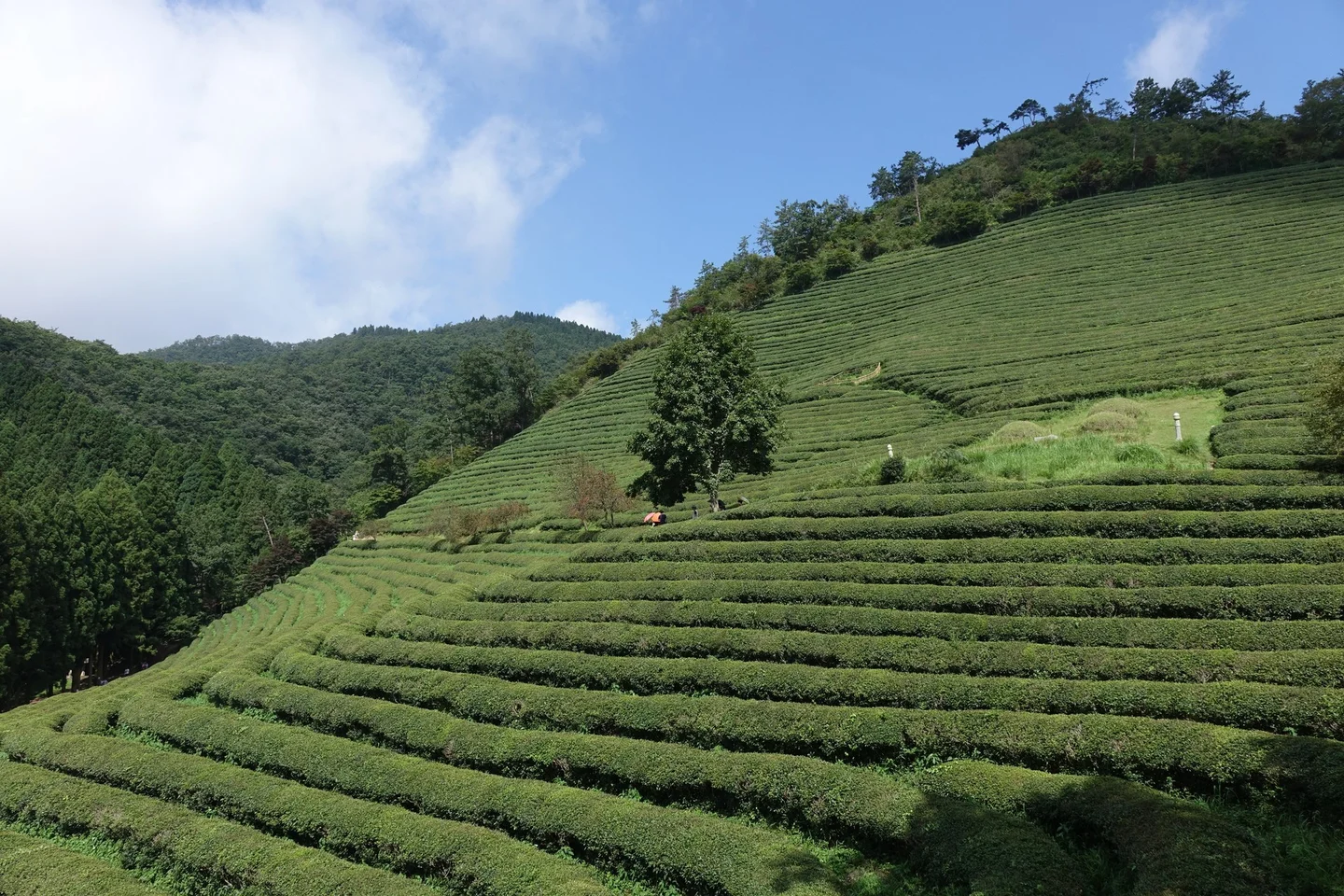
Daehan Dawon tea fields spread out in layers along the mountainside.

최광모 · Original · CC0 1.0 ·

Source notices and processing details

Daehan Dawon tea fields spread out in layers along the mountainside.

Photo: 최광모 · commons.wikimedia.org — 20150808대한다원 (전라남도 보성군)DSC01617.jpg · CC0 1.0

WebP conversion; proportionally reduced where needed; no cropping or upscaling.

CC0 http://creativecommons.org/publicdomain/zero/1.0/deed.en · 저작자 표시 불필요(권장)

360 × 240: Existing supplied proportional WebP rendition; no new crop, resize, upscaling, distortion or synthesis in this connection batch.

720 × 480: Existing supplied proportional WebP rendition; no new crop, resize, upscaling, distortion or synthesis in this connection batch.

1440 × 960: Existing supplied proportional WebP rendition; no new crop, resize, upscaling, distortion or synthesis in this connection batch.

Boseong's tea fields turn a hillside into a series of sweeping green curves. At Daehan Dawon, low, closely trimmed tea bushes follow the contours of the slope, with taller forest trees framing the edges. You do not have to be a tea enthusiast to enjoy the landscape. The main choice is how high you want to walk before settling down for a cup of tea or green tea ice cream. Use Daehan Dawon as your destination when looking for this well-known visitor plantation. Boseong has other tea-growing areas, and nearby attractions such as the Korea Tea Museum and Botjae are separate places with their own facilities and admission arrangements. For a half-day, concentrate on the plantation and a relaxed tea break. A longer day gives you time for the museum or a trip south to Yulpo's waterfront. Boseong Station and Boseong Bus Terminal are useful arrival points for onward travel to the fields. Arrange the final leg by local bus or taxi, and check your return connection before heading out. The plantation's approach road has different stops for Boseong town and Yulpo, so confirm the direction on the signs. There is also a walk from the parking or bus-stop area through the entrance grounds before you reach the hillside itself.

Choose Your Viewpoint
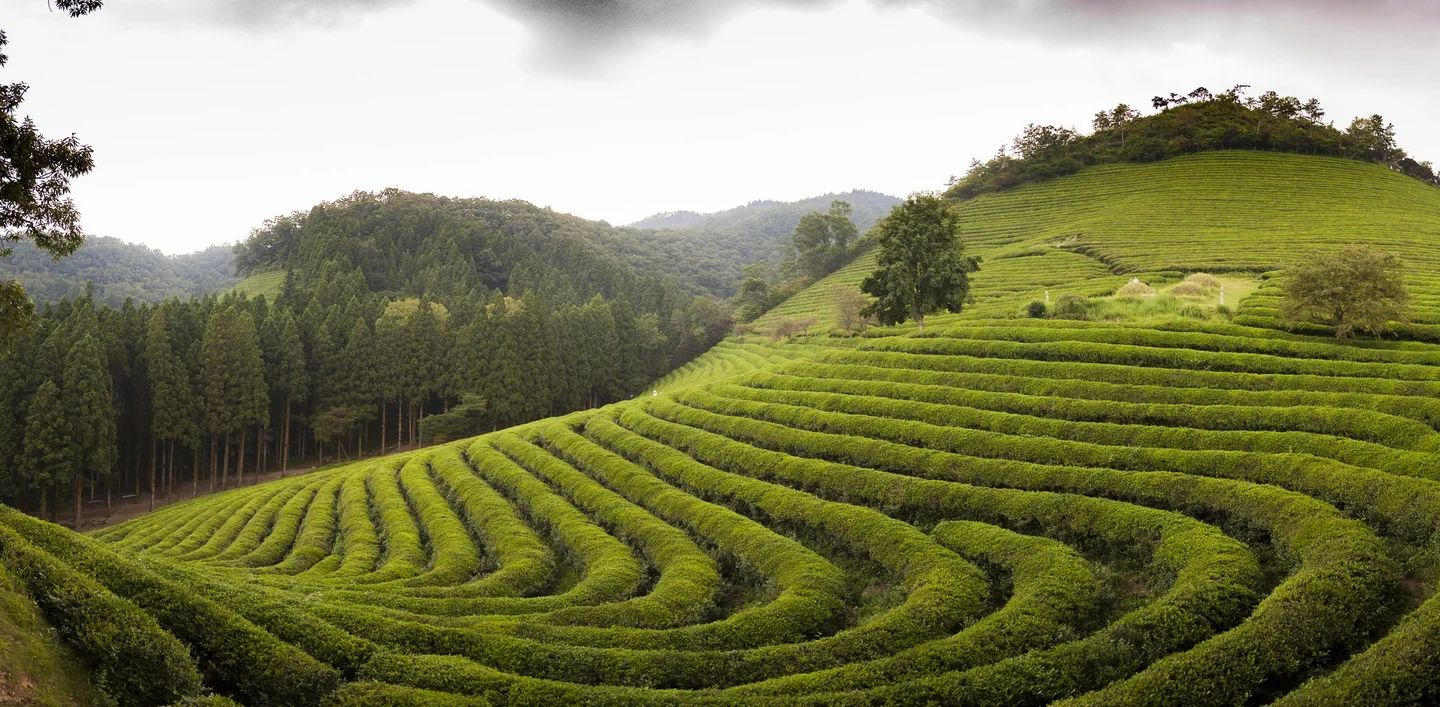
Cedar forest and terraced green tea fields

Jhkangphoto · Original · CC BY-SA 3.0 ·

Source notices and processing details

Cedar forest and terraced green tea fields

Photo: Jhkangphoto · commons.wikimedia.org — Jhk (24)보성.jpg · CC BY-SA 3.0

WebP conversion; proportionally reduced where needed; no cropping or upscaling.

Processed copies are provided under the same license shown above.

CC BY-SA 3.0 https://creativecommons.org/licenses/by-sa/3.0 · 저작자 표시 필수 · 동일조건변경허락(변경 시 같은 라이선스)

360 × 177: Existing supplied proportional WebP rendition; no new crop, resize, upscaling, distortion or synthesis in this connection batch.

720 × 354: Existing supplied proportional WebP rendition; no new crop, resize, upscaling, distortion or synthesis in this connection batch.

1440 × 707: Existing supplied proportional WebP rendition; no new crop, resize, upscaling, distortion or synthesis in this connection batch.

The approach leads through a cedar-lined path to a fountain plaza and the tea-growing slopes. This transition is part of the pleasure: you leave the tall trees behind and emerge beside low green rows that wrap around the hill. The changing elevation reveals different patterns, so stop along the way rather than saving all your attention for the highest point. The Central Observatory is a sensible goal for a shorter visit. The plantation's map offers several sightseeing routes as well as a longer trekking circuit toward the Sea Observatory. The upper route involves steeper ground and steps. Choose it if you want the walking itself to be a substantial part of the outing, and allow for the descent and breaks as well as the climb. A clear view of the coast depends on the weather. If stairs are difficult, ask at the entrance about the gentler route and the portion suitable for your group. A route marked for older visitors still should not be treated as a guarantee of step-free access to every viewpoint. The tea-growing slope is more exposed than the wooded approach, and wet earth or steps can change how comfortable the higher circuit feels. A lower walk can still give you a good sense of the field's shape. As checked October 12, 2026, the operator's admission notice lists entry from 9 a.m. to 6 p.m. in March–October, with the grounds closing at 7 p.m. In November–February, entry ends at 5 p.m. and the grounds close at 6 p.m. Arrive well before the admission cutoff if you want the upper route. The posted regular adult admission is 4,000 won; consult the operator for current notices before traveling.

From Tea Leaves to Bamboo Shade
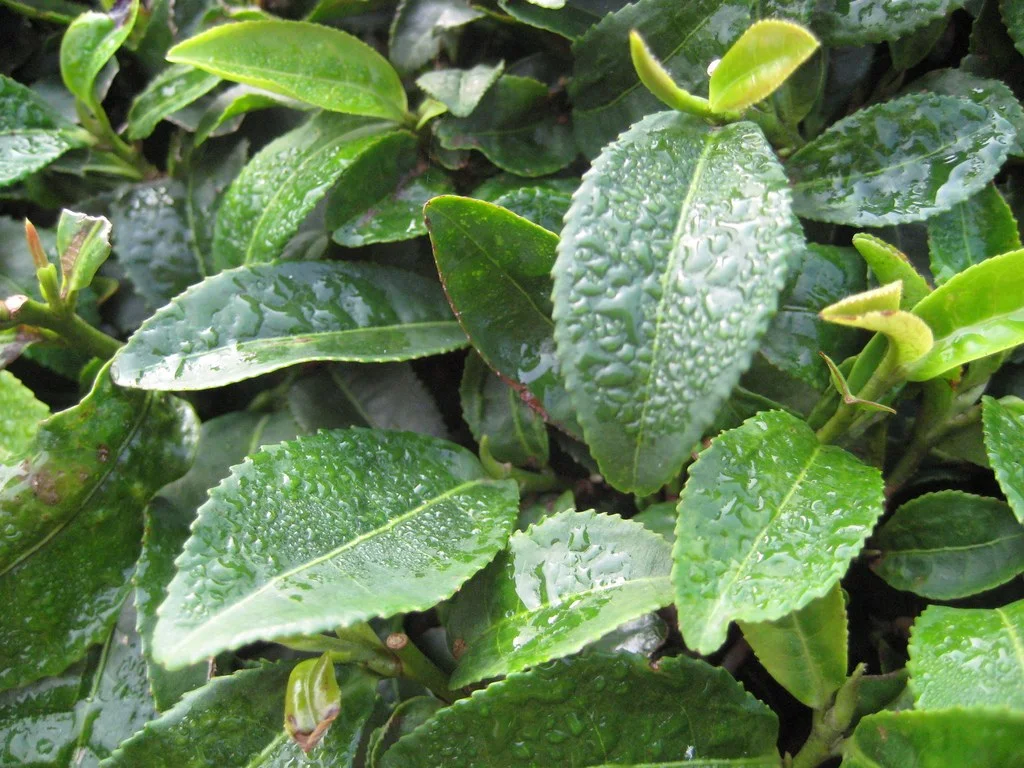
Tea leaves with water droplets

by ~Mers · Original · CC BY-SA 2.0 ·

Source notices and processing details

Tea leaves with water droplets

Photo: by ~Mers · commons.wikimedia.org — Korea-Boseong-Green.tea-07.jpg · CC BY-SA 2.0

WebP conversion; proportionally reduced where needed; no cropping or upscaling.

Processed copies are provided under the same license shown above.

CC BY-SA 2.0 https://creativecommons.org/licenses/by-sa/2.0 · 저작자 표시 필수 · 동일조건변경허락(변경 시 같은 라이선스)

360 × 270: Existing supplied proportional WebP rendition; no new crop, resize, upscaling, distortion or synthesis in this connection batch.

720 × 540: Existing supplied proportional WebP rendition; no new crop, resize, upscaling, distortion or synthesis in this connection batch.

1024 × 768: Existing supplied proportional WebP rendition; no new crop, resize, upscaling, distortion or synthesis in this connection batch.

Up close, the smooth green bands resolve into individual leaves, with lighter new growth against darker established foliage. Spring is especially appealing if you want to see young leaves, although their appearance depends on weather and the harvest cycle. This remains a working tea-growing landscape, which helps explain the careful trimming and the restricted access between rows. Stay on the designated visitor paths. General admission does not include picking leaves or walking into the planted beds. If you are interested in harvesting or processing tea, look for a separately offered experience and confirm its season and booking requirements. Watching the landscape from the paths and learning how the leaves become tea are two different ways to enjoy the region.
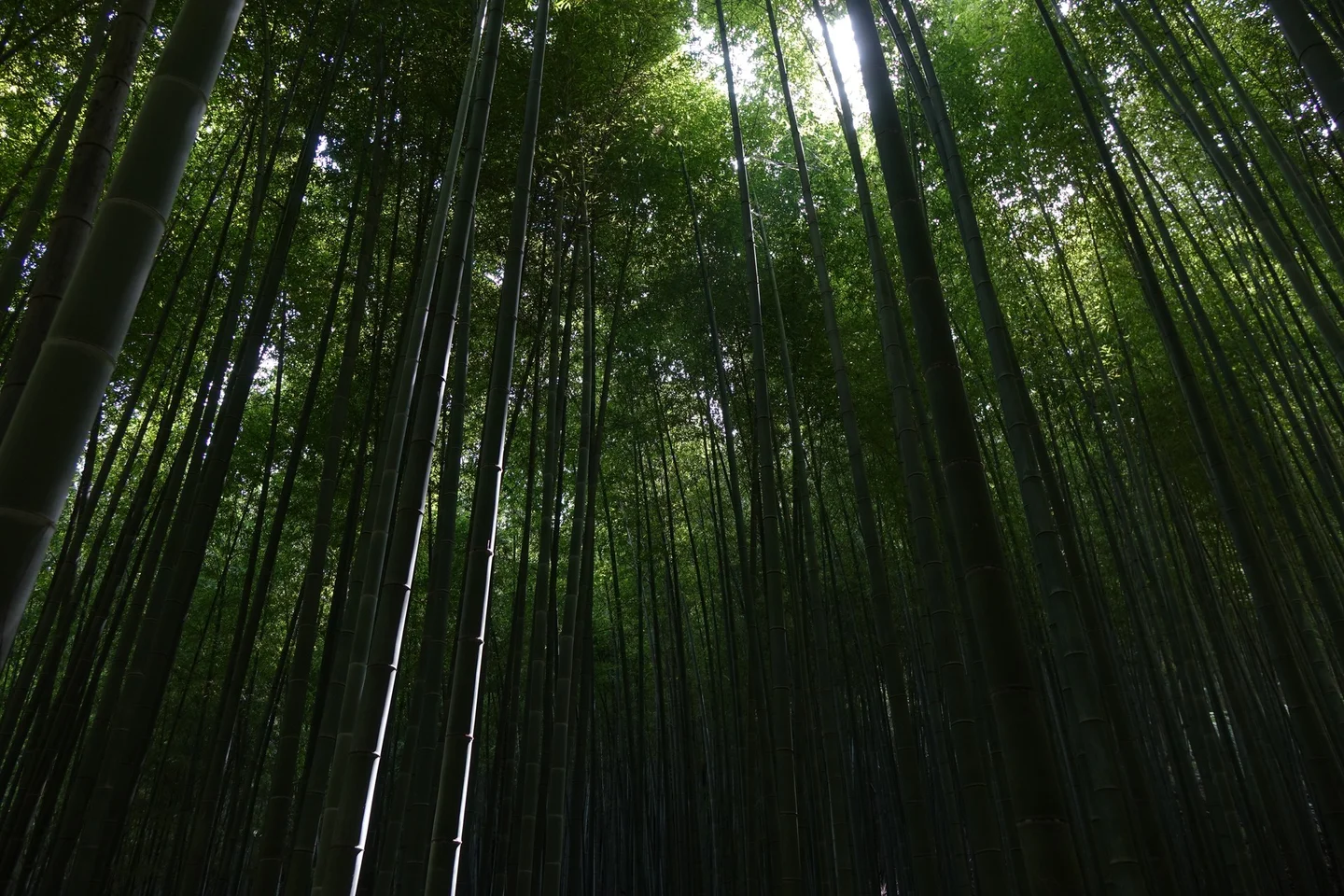
High stems of bamboo forest in Daehan Tea Garden

최광모 · Original · CC0 1.0 ·

Source notices and processing details

High stems of bamboo forest in Daehan Tea Garden

Photo: 최광모 · commons.wikimedia.org — 20150803대한다원DSC01643.jpg · CC0 1.0

WebP conversion; proportionally reduced where needed; no cropping or upscaling.

CC0 http://creativecommons.org/publicdomain/zero/1.0/deed.en · 저작자 표시 불필요(권장)

360 × 240: Existing supplied proportional WebP rendition; no new crop, resize, upscaling, distortion or synthesis in this connection batch.

720 × 480: Existing supplied proportional WebP rendition; no new crop, resize, upscaling, distortion or synthesis in this connection batch.

1440 × 960: Existing supplied proportional WebP rendition; no new crop, resize, upscaling, distortion or synthesis in this connection batch.

Daehan Dawon's bamboo grove adds a shaded detour near the lower part of the grounds. After the open hillside, the tall stems create a more enclosed space and a different pace of walking. Locate it on the entrance map and work it into your return route, rather than climbing back toward the tea-field viewpoints to find it. Plan your meal around the plantation's visitor facilities: its published rules prohibit outside food and cooking, and pets are not admitted. Those details matter if you had imagined a picnic among the bushes or a dog-friendly countryside walk. The café and food area provide a convenient break after the climb.

What to Drink and Bring Home
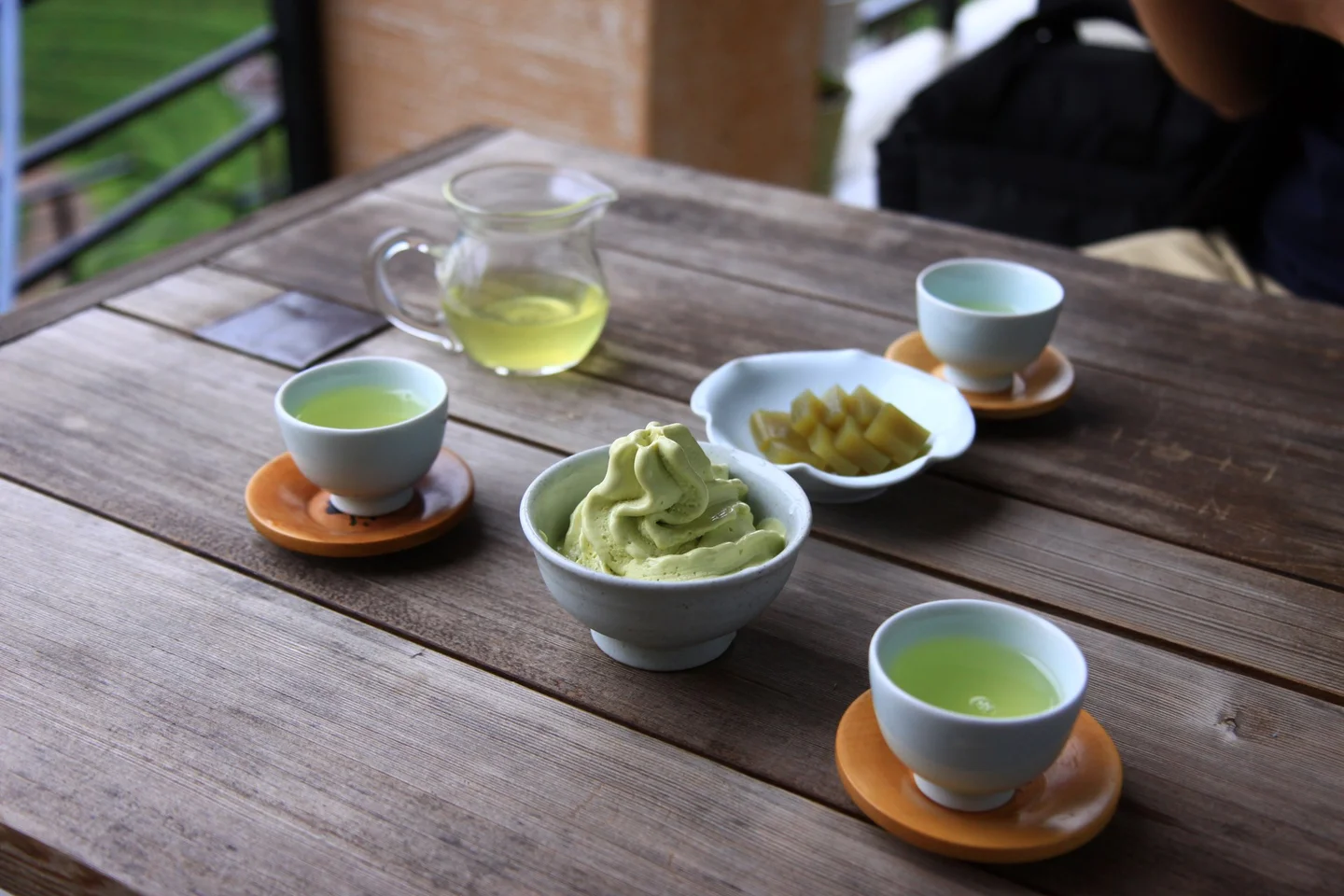
Green tea and green tea ice cream

강응규 · Original · CC BY 2.0 ·

Source notices and processing details

Green tea and green tea ice cream

Photo: 강응규 · commons.wikimedia.org — Boseong green tea and green tea desserts.jpg · CC BY 2.0

WebP conversion; proportionally reduced where needed; no cropping or upscaling.

CC BY 2.0 https://creativecommons.org/licenses/by/2.0 · 저작자 표시 필수

360 × 240: Existing supplied proportional WebP rendition; no new crop, resize, upscaling, distortion or synthesis in this connection batch.

720 × 480: Existing supplied proportional WebP rendition; no new crop, resize, upscaling, distortion or synthesis in this connection batch.

1440 × 960: Existing supplied proportional WebP rendition; no new crop, resize, upscaling, distortion or synthesis in this connection batch.

Green tea ice cream is an easy introduction to Boseong's best-known crop, pairing a sweet, creamy base with tea flavor. For a closer sense of the leaves themselves, order brewed green tea. A latte, powdered-tea dessert, and cup of loose-leaf tea can taste quite different, even when all appear under the same green-tea heading on a menu. For a souvenir, choose the format you will actually use. Loose leaves suit a small pot or infuser, tea bags are convenient for a quick cup, and powdered tea can be used in drinks or cooking according to the product instructions. Read the label for origin and ingredients, particularly when buying a flavored drink mix or snack. The plantation shop also offers tea utensils if you want to assemble a simple brewing set. Daehan Dawon's brewing guide distinguishes steeped leaves from whisked powdered tea. For loose leaves, it advises letting boiled water cool before brewing and keeping the infusion relatively short. Follow the directions on the tea you buy, then adjust strength to taste. You can appreciate the differences without learning a formal tea ceremony first.

Add the Korea Tea Museum
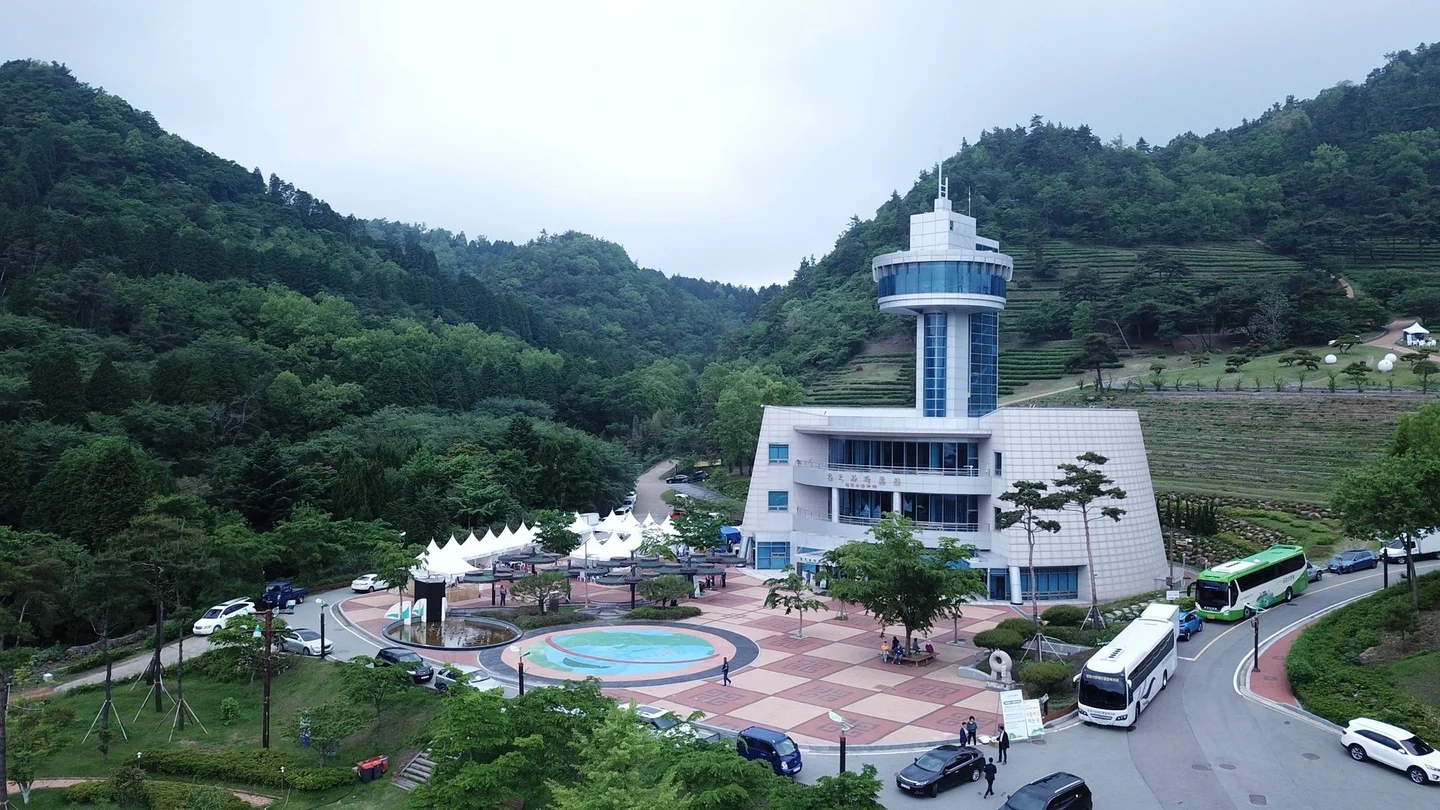
Korean Tea Museum and surrounding tea fields

한국농수산식품유통공사 · Original · KOGL Type 1 ·

Source notices and processing details

Korean Tea Museum and surrounding tea fields

Photo: 한국농수산식품유통공사 · commons.wikimedia.org — Tea Museum of Korea, in Boseong, South Jeolla, South Korea 03.jpg · KOGL Type 1

WebP conversion; proportionally reduced where needed; no cropping or upscaling.

KOGL Type 1 http://www.kogl.or.kr/info/licenseType1.do · 공공누리 제1유형 · 출처표시 필수 · 상업적 이용·변경 가능

360 × 202: Existing supplied proportional WebP rendition; no new crop, resize, upscaling, distortion or synthesis in this connection batch.

720 × 405: Existing supplied proportional WebP rendition; no new crop, resize, upscaling, distortion or synthesis in this connection batch.

1440 × 810: Existing supplied proportional WebP rendition; no new crop, resize, upscaling, distortion or synthesis in this connection batch.

The Korea Tea Museum is a separate stop near the plantation, useful when the walk leaves you curious about tea beyond the fields. Exhibits cover tea history, utensils, and drinking traditions, including recreated tea rooms from different parts of the world. The building also has an upper-level viewing area overlooking the surrounding tea-culture grounds. A Korea Tourism Organization guide published in May 2026 lists museum hours as 10 a.m.–5 p.m., with last entry at 4:30 p.m. It closes on Mondays, New Year's Day, and the day of Seollal and Chuseok. Check the calendar when planning a museum-and-plantation day. Tea-culture experiences have their own participation arrangements, so confirm a particular activity separately from exhibition admission. If the museum is your priority, visit it before its earlier admission cutoff and leave enough time afterward for your chosen plantation route. For a coastal finish, Yulpo requires an additional drive or bus journey; it is not an extension of the tea-field walking circuit. Bus travelers should build the final stop around a confirmed return to Boseong town.

SourcesOperator map page re-read and map image actually opened: central/sea viewpoints, cedar and bamboo routes, upper trekking course, designated paths and visitor restrictions.: https://dhdawon.com/page/sub_01_05.asp?pageNum=1&subNum=5 Operator original map image directly viewed from shared source download: distinct northbound/southbound bus stops, working tea fields and route layout.: https://dhdawon.com/images/page/map.png Operator admission page re-read; its source image actually opened. Entry March–October09–18,November–February09–17; closing summer19/winter18; regular adult4000won.: https://dhdawon.com/page/sub_01_06.asp?pageNum=1&subNum=6 Operator directions directly read: Boseong-town stop differs from Yulpo-bound stop; dated2021 numerical schedule not reused.: https://dhdawon.com/page/sub_01_07.asp?pageNum=1&subNum=7 KTO May2026 guide directly read: Korea Tea Museum exhibits/hours/closure days, separate destination and tea dessert. Plantation cedar species and admission cutoffs follow operator where KTO conflicts.: https://korean.visitkorea.or.kr/detail/rem_detail.do?cotid=b8caf1ed-7609-45da-85c1-0ae4fd60ef64 Operator brewing guide directly read: cooled water and short loose-leaf infusion; powdered tea prepared separately. Unsupported chemistry and health marketing excluded.: https://dhdawon.com/page/sub_04_04.asp?pageNum=4&subNum=4 확인일: 2026-10-12 (Asia/Seoul). 기본 근거: jeolla-017 한국어 완료 원고의 사실·선택 사진. 영어는 독립 구성·집필.

Travel guide