Naganeupseong, Suncheon: Thatched Lanes Inside a Walled Town
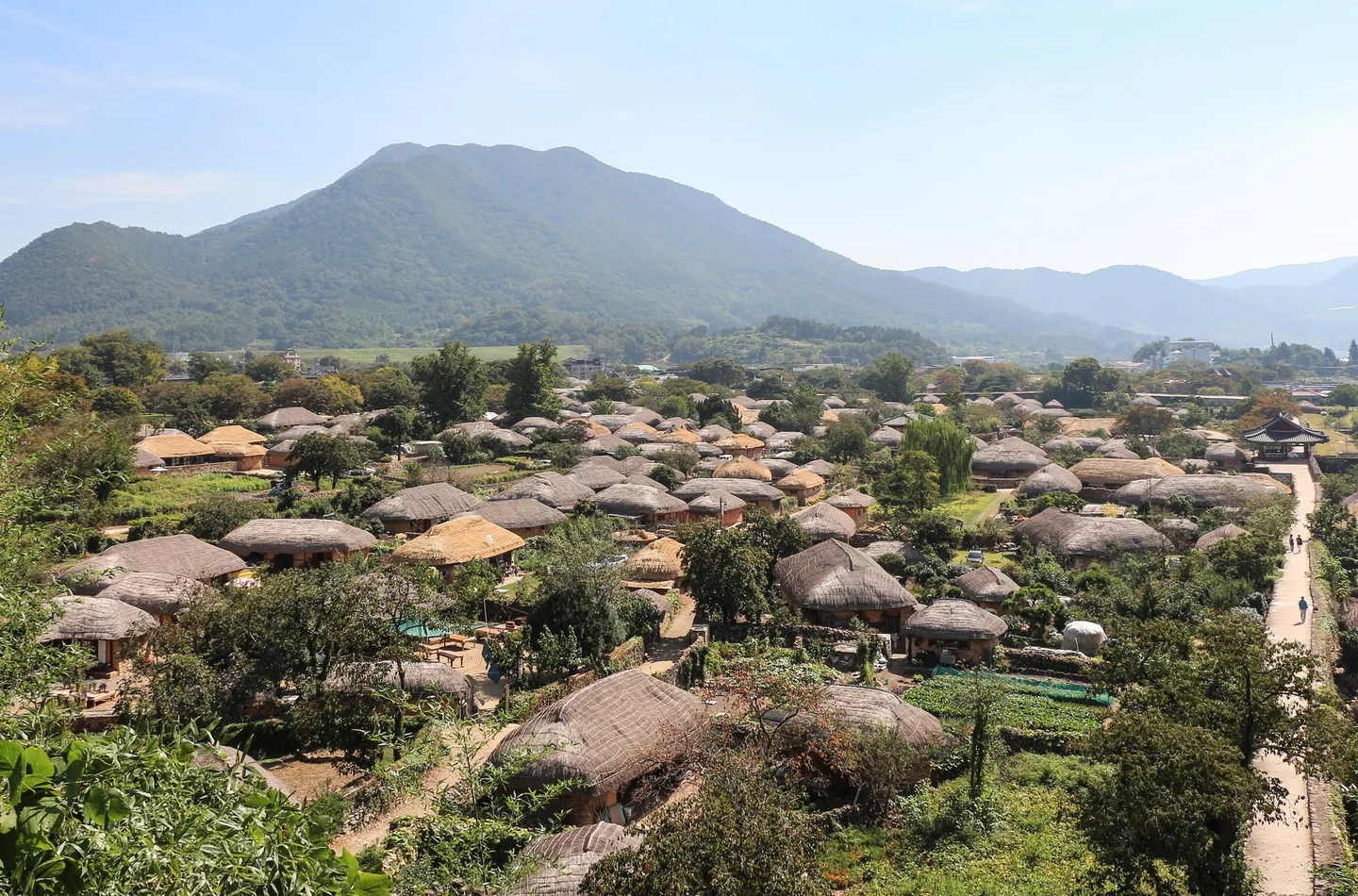
Naganeupseong is best seen at two heights. Down in the lanes, thatched roofs shelter low houses, earthen walls, small yards, and everyday belongings. From an open section of the ramparts, the same buildings become a pattern of rounded roofs, gardens, and paths set against the surrounding mountains. The walls once enclosed both a local government center and the people who lived around it. Residents still live here, giving the visit a different character from a collection of empty historical buildings. Public exhibits and activity spaces sit within a living village, so follow the visitor routes rather than assuming every open gate leads to an attraction. Allow time for the lanes, the official buildings, and a manageable section of the wall. Add a craft activity if one interests you. A visit built around those different parts is more rewarding than a quick photograph of the roofs from above.
Start at the East Gate
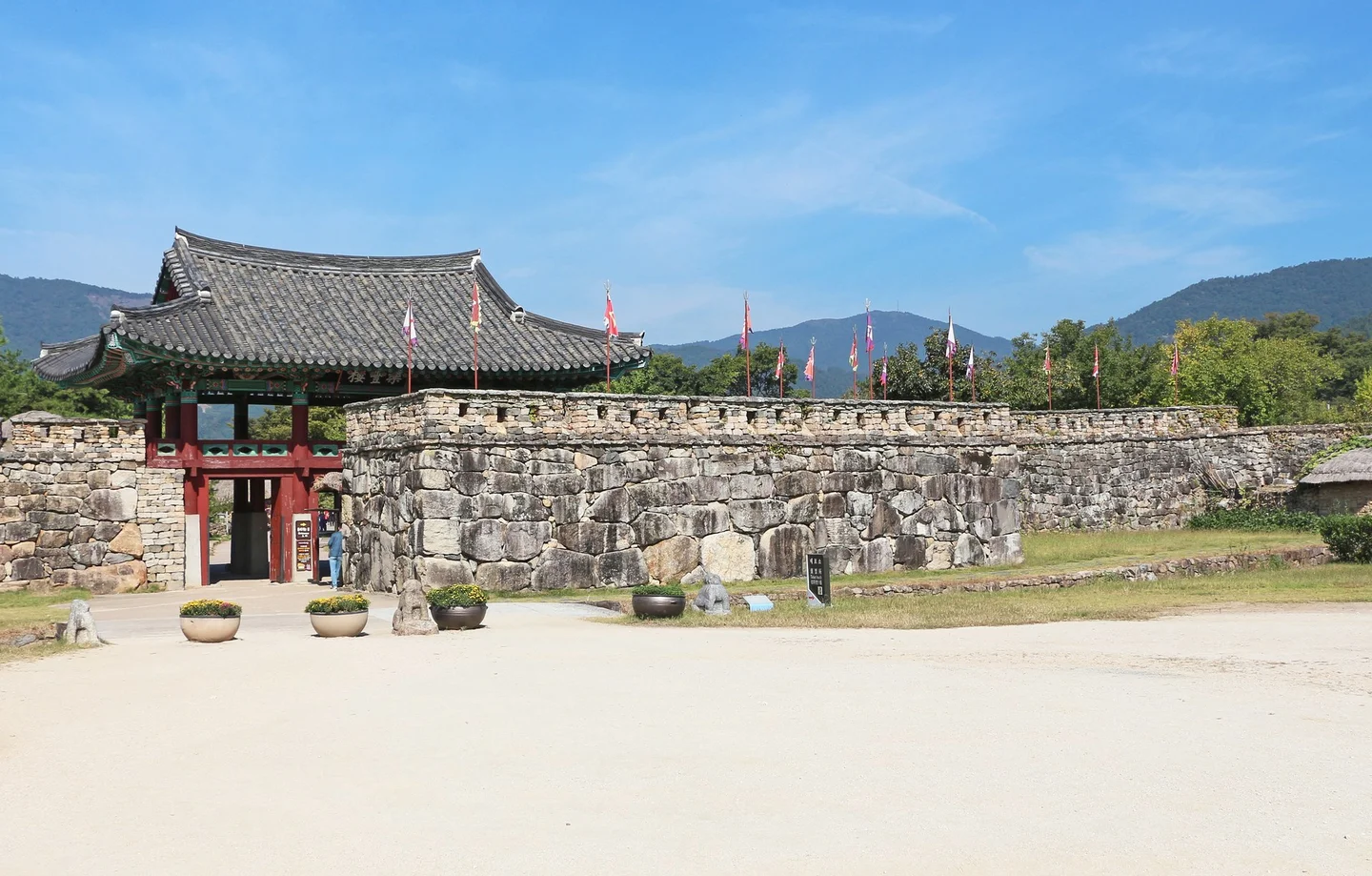
The east gate is a useful starting landmark. Its gatehouse, Nakpungnu, stands above thick stone walls, making a clear contrast with the small houses inside. Pick up or photograph the visitor map here and note which gate you will use at the end, especially if you have parked nearby. The main streets create a broadly T-shaped arrangement, connecting the town's entrances and separating the official buildings to the north from much of the residential area to the south. That framework is easier to remember than trying to navigate by individual thatched houses. Begin with the government quarter, then turn into the residential lanes and choose a wall section that suits your group. If you have booked an activity or want to see a particular demonstration, give that a fixed place in the plan before filling the time around it. General admission does not mean every interior or activity operates for the entire opening day. Naganeupseong began as an earthen defense in the late fourteenth century and developed into a stone-walled town. Its history is tied to both protection and administration. You can see that dual purpose in the relationship between the gate, the public buildings, and the households within the same enclosure.
See the Roofs From the Ramparts
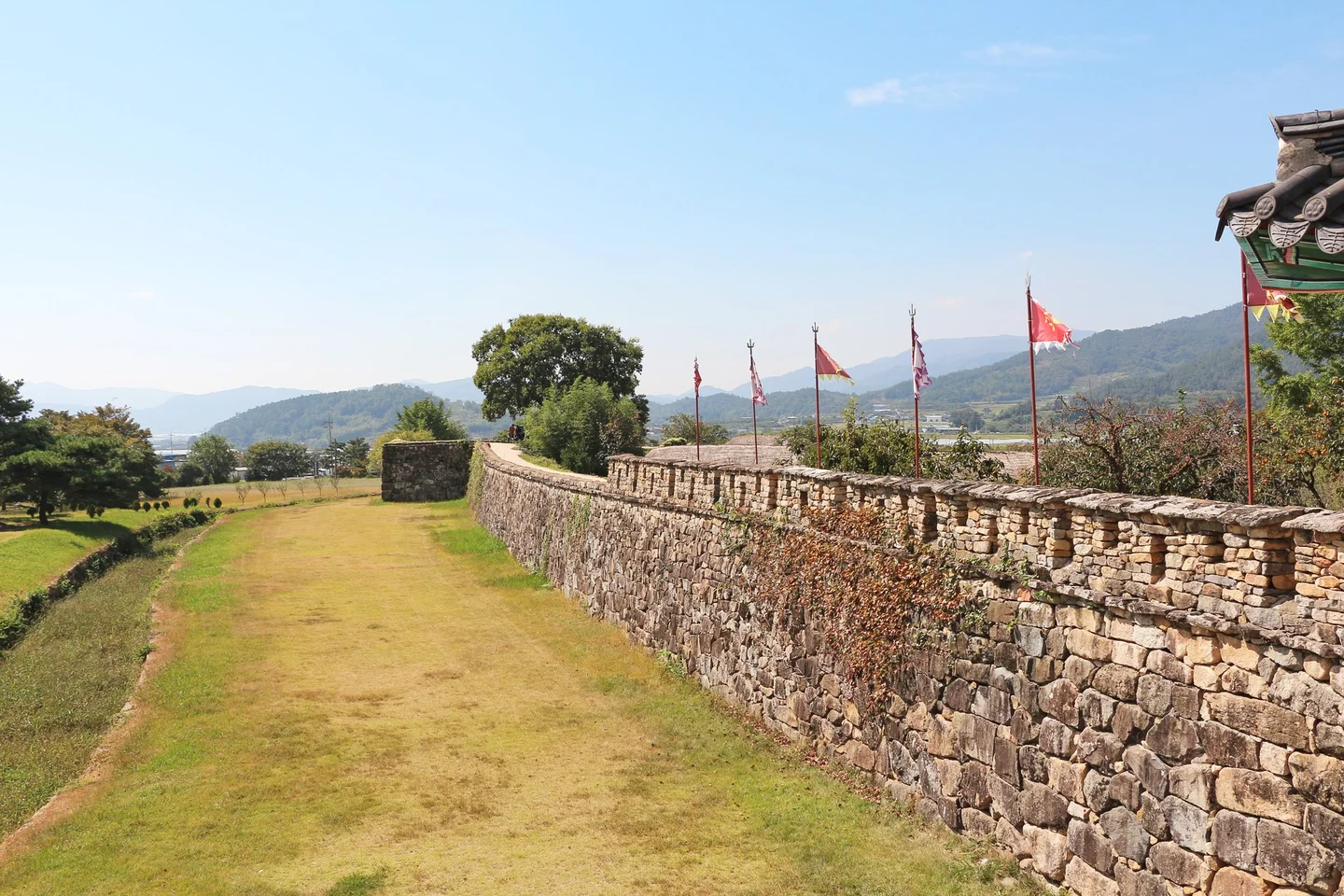
Walking beside the outer wall first gives you a sense of its height and continuous line. Where the ramparts are open, an ascent changes the view from individual homes to the larger settlement. Thatched roofs cluster between trees and small plots, while the hills provide a backdrop beyond the boundary. The wall walk includes steps, uneven surfaces, and exposed edges. Choose the section around current access guidance and your comfort with heights. It is not a broad, level promenade, and completing the entire circuit is unnecessary if a shorter stretch gives you the view you came for. For a useful comparison, descend again and walk through a lane you have just seen from above. The roofs stop being a distant pattern and become houses with doorways, yards, and places to work or rest. That shift in scale is one of the most distinctive experiences here. If stairs are difficult, stay with the village paths and the view along the wall from below. The official buildings and residential streets provide plenty to see without the rampart climb. In strong sun, save exposed wall sections for a shorter part of the visit and spend more time in the shaded or indoor stops.
The Magistrate's Office and Official Guesthouse
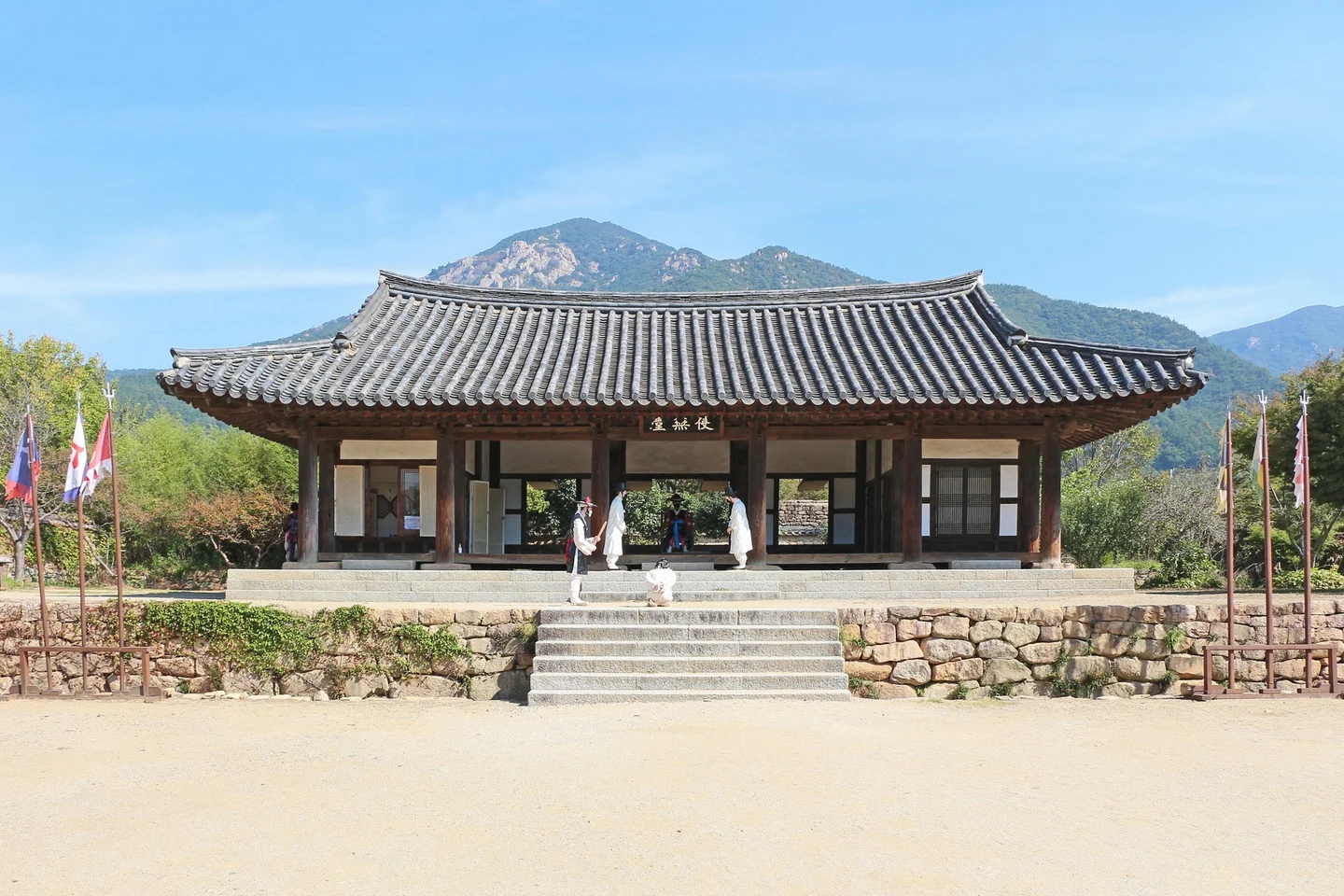
The tiled-roof buildings in the administrative quarter stand apart from the thatched homes. Dongheon was the local magistrate's office, while the gaeksa served as an official guesthouse and ceremonial building. Their larger frontages and formal courtyards reflect their public roles. At Dongheon, look at the raised platform, the main hall's columns, and the open space in front. It is easy to imagine a building's purpose more clearly when you consider how people approached it and where they would have gathered. Interpretive displays or reconstructed scenes can help, but they are separate from the surviving historic fabric. The nearby Naea was associated with the magistrate's residence, and the pavilion Nakminnu adds another type of public building to the townscape. You do not need to turn the visit into a hunt for every name. Choose a few structures and compare their functions with the houses you will see in the lanes. For families, that comparison can be more engaging than a long list of dates: where would someone work, receive a visitor, cook, or sleep? The buildings provide the evidence around you, and the site interpretation supplies the context.
Houses, Materials, and Everyday Skills
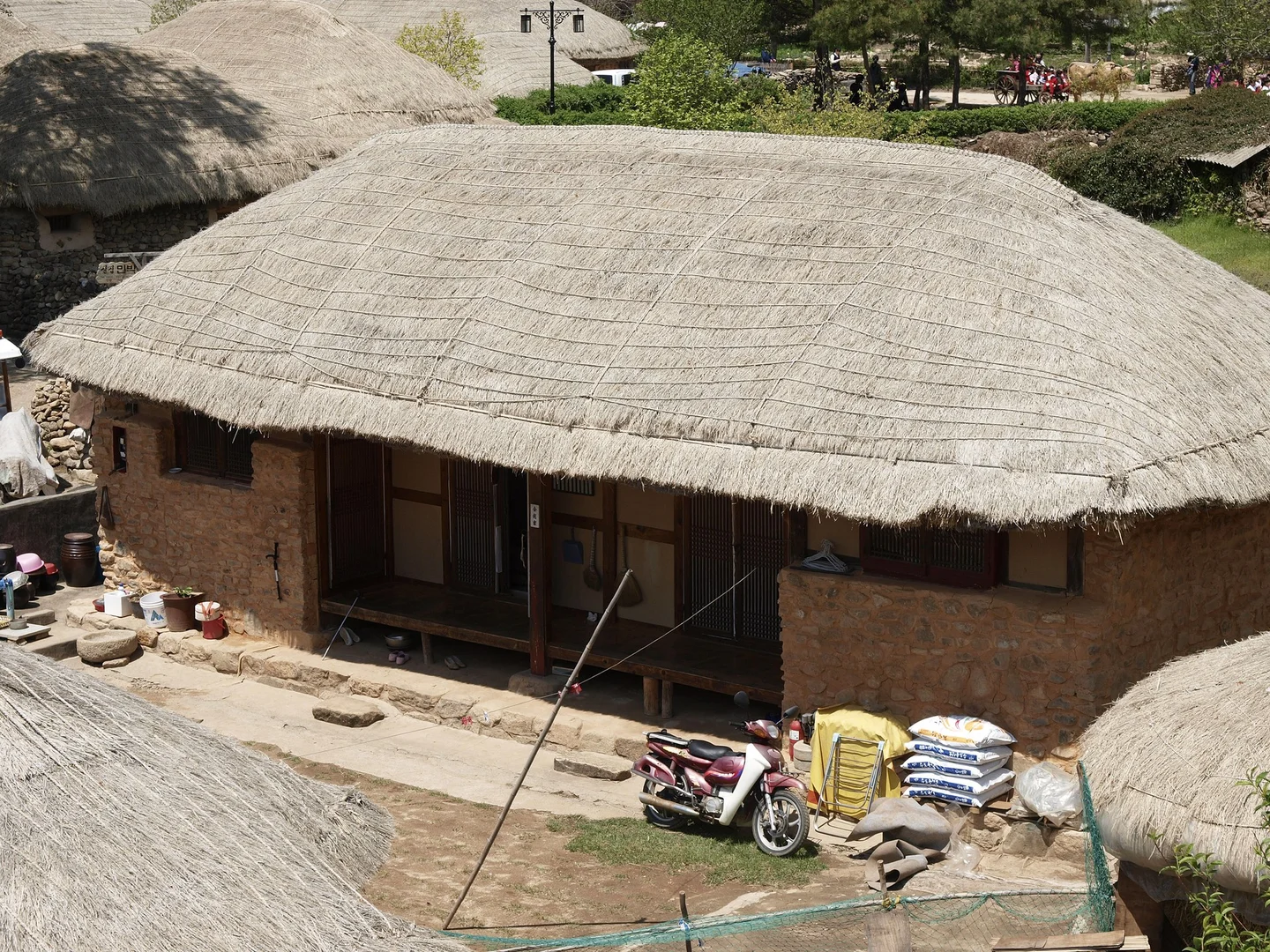
A thatched house rewards a closer look at its materials. Straw is tied across the roof in a regular pattern, the eaves reach beyond earthen walls, and a small wooden porch creates a transition between the rooms and yard. The roofs vary in shape and color rather than forming one uniform row. Some houses are open as visitor spaces, while others remain private. Use the signs to distinguish them. Household objects may be part of everyday use, not a display inviting inspection, and a resident's open doorway is not permission to photograph inside. In the public spaces, notice how a yard links cooking, storage, work, and rest. This gives the village more depth than simply admiring the roofs. Questions about how an object was used are best answered by a labeled exhibit or a demonstration rather than by guessing from its appearance.
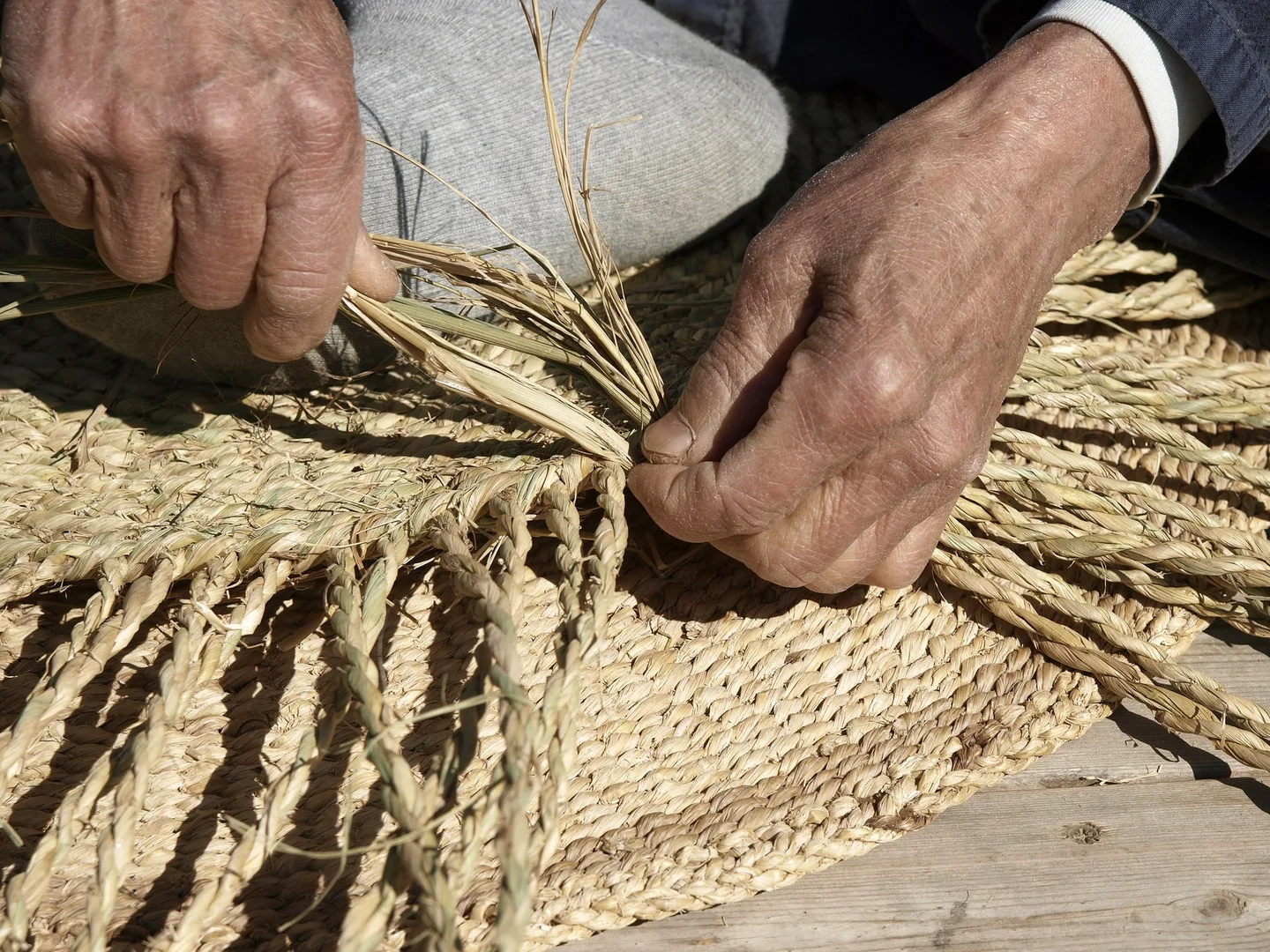
Straw craft makes that connection between material and daily life especially clear. Twisting and weaving turn a farm by-product into useful objects, and watching the hand movements can be as interesting as seeing the finished piece. The site's activity listings also include traditional music, natural dyeing, and other crafts. Choose one activity you actually want to try, then check its session, cost, age requirements, and availability. Older descriptions of frequent or free demonstrations should not be treated as a guarantee for your travel day. A hands-on session needs more time than a brief look at a workshop doorway.
Getting There and Choosing the Rest of the Day
Naganeupseong is outside central Suncheon and separate from both the National Garden and Suncheon Bay Wetland. Plan the road journey specifically to the walled town. By bus, check the outbound connection and a useful return before entering; with a car, remember the gate and parking area where the visit began. Check current seasonal admission hours and charges on the official Naganeupseong website before departure. If you are also aiming for sunset at the wetland, set a departure time from the village that leaves room for the transfer and the wetland walk, rather than treating sunset as the time to leave here. The nearby Ppurigipeun Namu Museum is another option for an interest in traditional objects and everyday culture. It is a separate museum with its own opening arrangements. Whether you add it or stay with the walled town, leave enough room for the houses, government quarter, and ramparts to make sense together.