At Gujora, the attraction is soft sand and an easy beach walk. At Hakdong, it is the sound of waves pulling back through rounded stones. Visiting both gives you two distinct versions of Geoje’s southeastern coast, with fishing villages and wooded hills close to the water.
You do not have to come for swimming. A day of shoreline walks, a seafood lunch, and an optional climb to Gujora Castle works outside the summer season too. Gujora is the better fit for sand play and spreading out by the beach; Hakdong rewards a slower visit spent watching the water change the color of the pebbles.
The beaches are separate stops connected by road, not the two ends of a continuous promenade. Coming from Jisepo or Jangseungpo, start at Gujora and continue toward Hakdong. Reverse the order if you are approaching from Geoje’s southern villages. Give each beach time rather than treating them as quick photographs on the way somewhere else.
Gujora: sand, a small village, and a working harbor
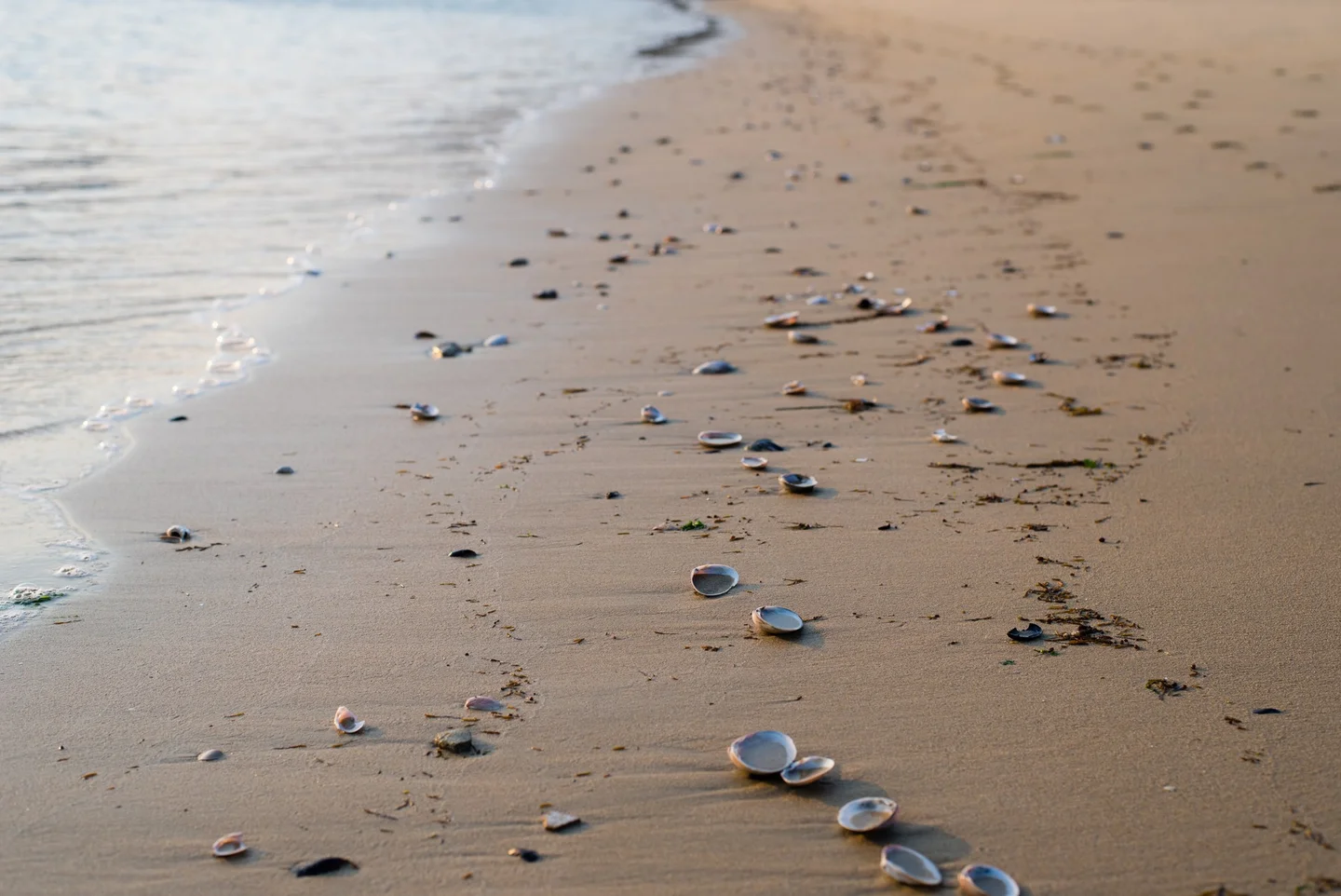
Gujora Beach curves around sheltered water, with the village nearby and low hills enclosing the view. Walking along the sand is the simplest way to enjoy it. Shells, small stones, and the thin edge of the receding water provide plenty to notice without setting a destination at the far end.
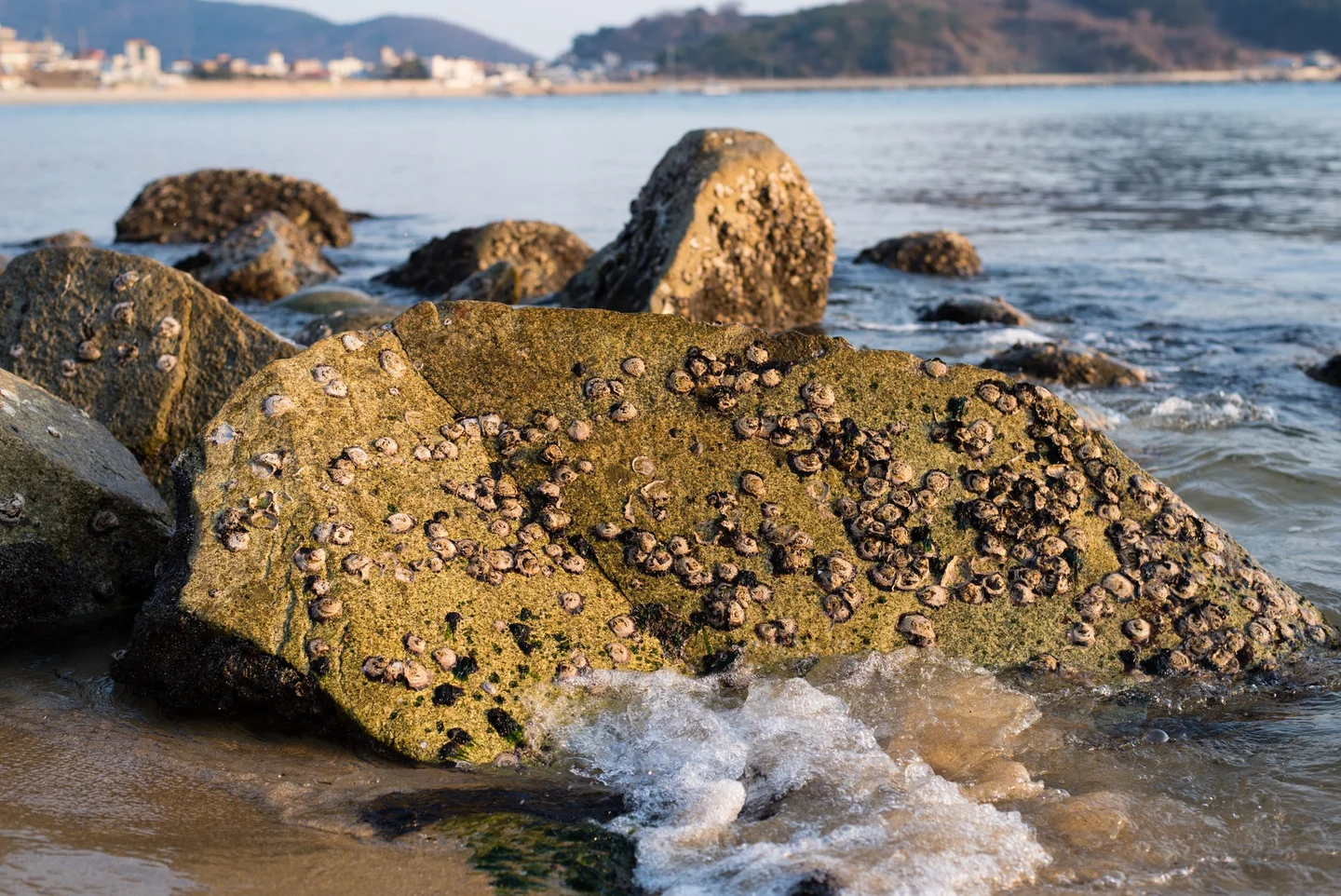
The rockier edges add another texture. You can watch waves break against the rocks from the beach rather than clambering onto wet surfaces. For families, a short walk and time playing on the sand may be more enjoyable than trying to cover the entire shoreline.
Save Gujora Beach and Gujora Port as separate places on your map. The port is useful for a look at village life and for booked boat excursions, while the beach is the place to arrive for a walk or time on the sand. If sailing to Oedo is part of your trip, the operator’s ticket office and check-in time take priority over a general village map pin.
Yundolseom lies off the western side of the beach. Enjoy the view from shore: it is a protected uninhabited island with restricted ordinary access. Authorized conservation programs are a separate arrangement, as explained in the Korea Tourism Organization’s account of the island project.
A worthwhile uphill detour to Gujora Castle
For a walk with more variety, follow signs from Gujora Port through the village toward Saetbaramsori-gil and Gujora Castle. The route passes small lanes before climbing into a narrow bamboo-lined path. Its name refers to the sound of the east wind moving through the bamboo.
The Joseon-era stone fortifications bring you above the harbor. From here, the village and its water-facing position are easier to appreciate than from the beach alone. It is a good addition if you like an outing with both sea views and a little history.
This is the point where a casual beach stroll becomes an uphill walk. Allow extra time, and leave the route optional for anyone who finds uneven ground or narrow paths difficult. A stroller suitable for the waterfront will not necessarily work through the bamboo trail.
If you are combining both beaches in one day, make the castle your main extra stop. Adding it alongside a timed island cruise and several more southern-coast attractions can leave very little time to enjoy the places you came to see. The city’s Gujora route description is a useful reference for the harbor-to-fortress sequence.
Hakdong: listen to the pebbles, then walk the upper path
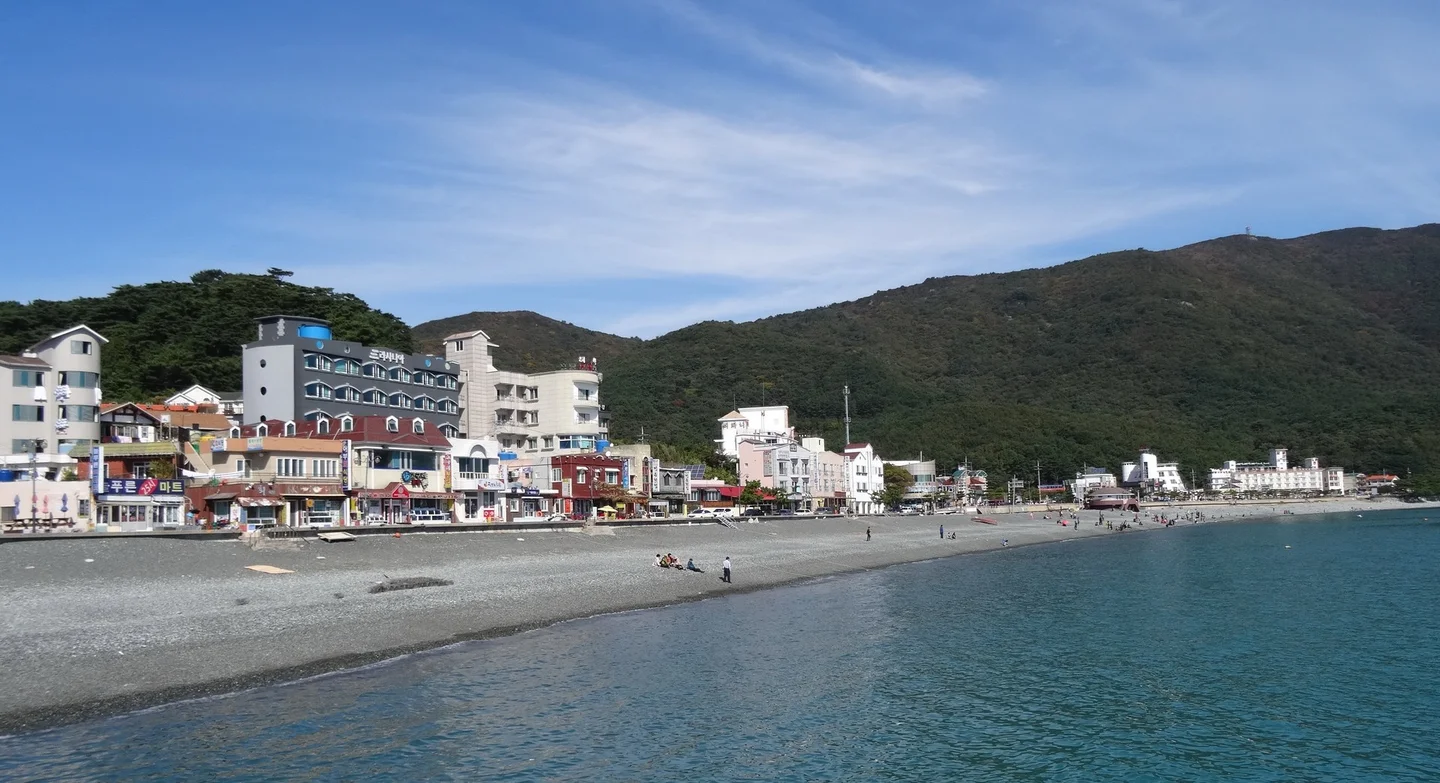
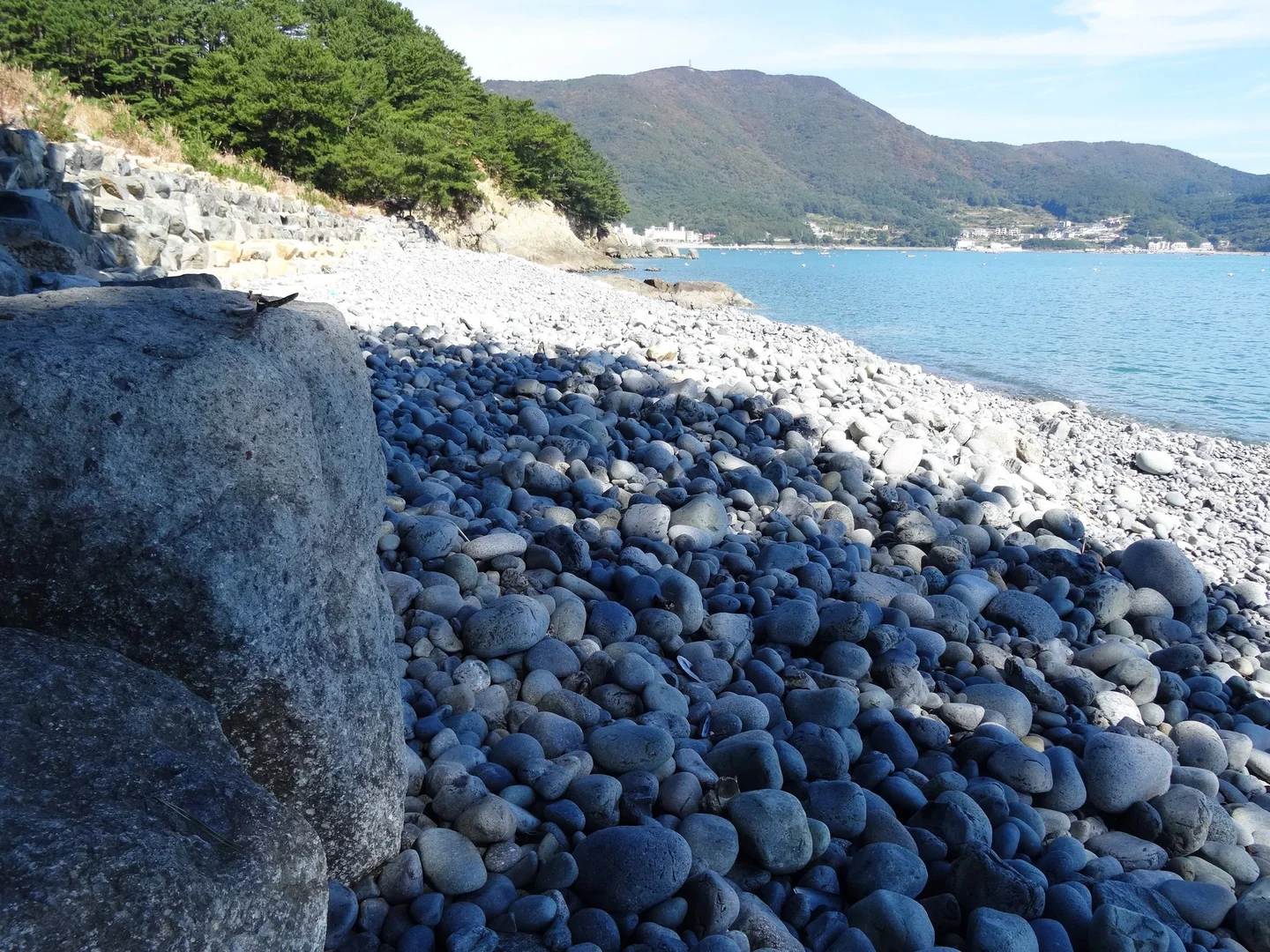
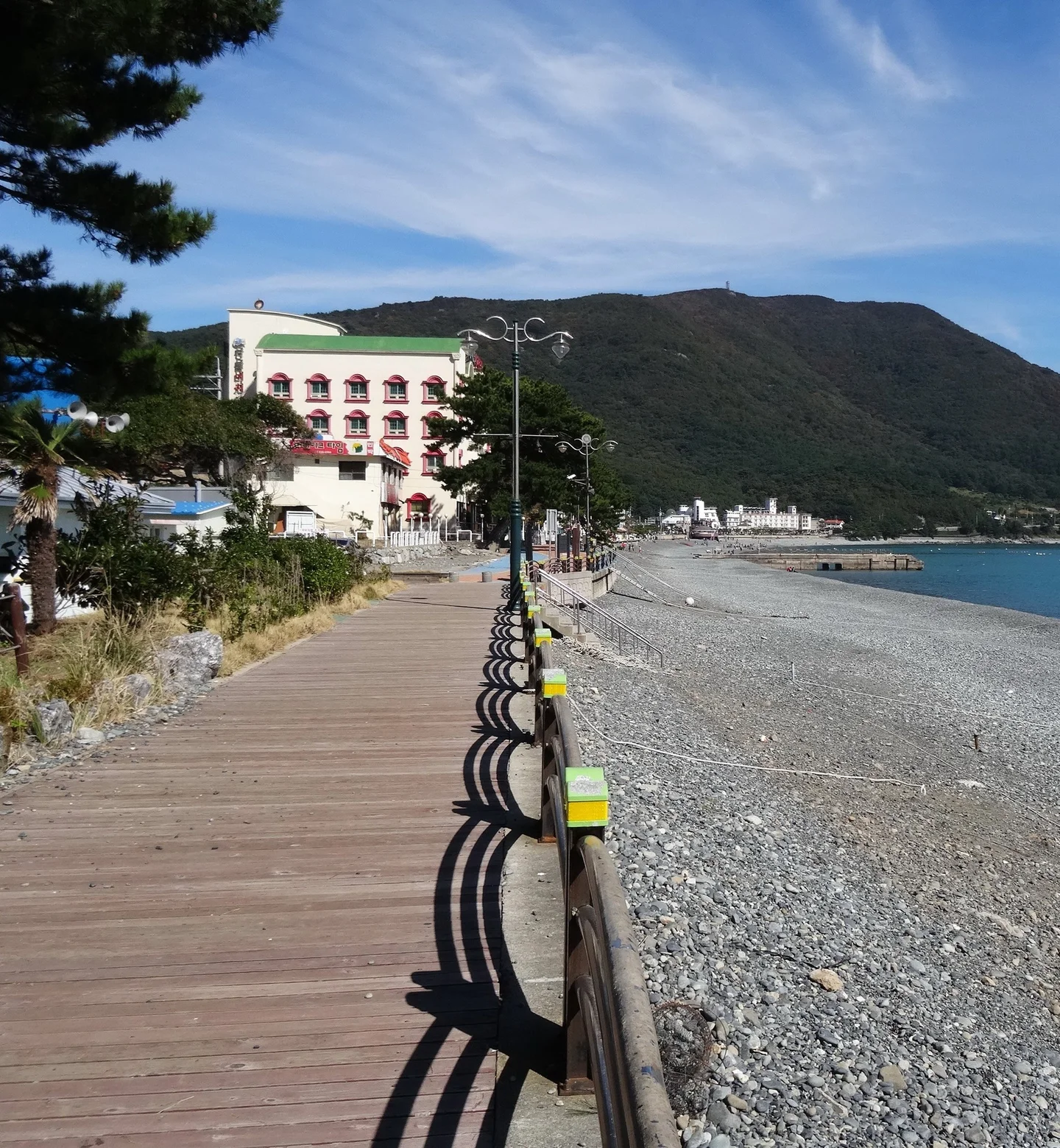
Hakdong Mongdol Beach is often called the Black Pearl Pebble Beach. “Mongdol” refers to rounded stones, and they are the reason to come. Near the water, wet pebbles deepen in color; higher up, the dry beach looks lighter and grayer. When a wave retreats, the moving stones produce a soft, rolling clatter.
Take a few minutes to listen before moving on. This is a beach where sitting still can be as rewarding as walking its length. The curve of the bay, the hillside behind the village, and the changing strip of wet stones give it a strong sense of place.
Walking on loose pebbles takes more effort than walking on packed sand. Try a short section, then use the upper boardwalk where available. Steps and changes in level connect parts of the walkway with the shore, so wheelchair and stroller users should inspect the actual access point rather than assuming the whole beach is step-free. Leave the stones on the beach.
Clear water here does not mean shallow water. KTO’s Hakdong guide warns that the sea can be deep and rough. If swimming is your purpose, visit during the managed bathing season and follow the designated zones and lifeguard directions. Outside that season, plan the visit around the shore and village.
Making sense of a seafood menu
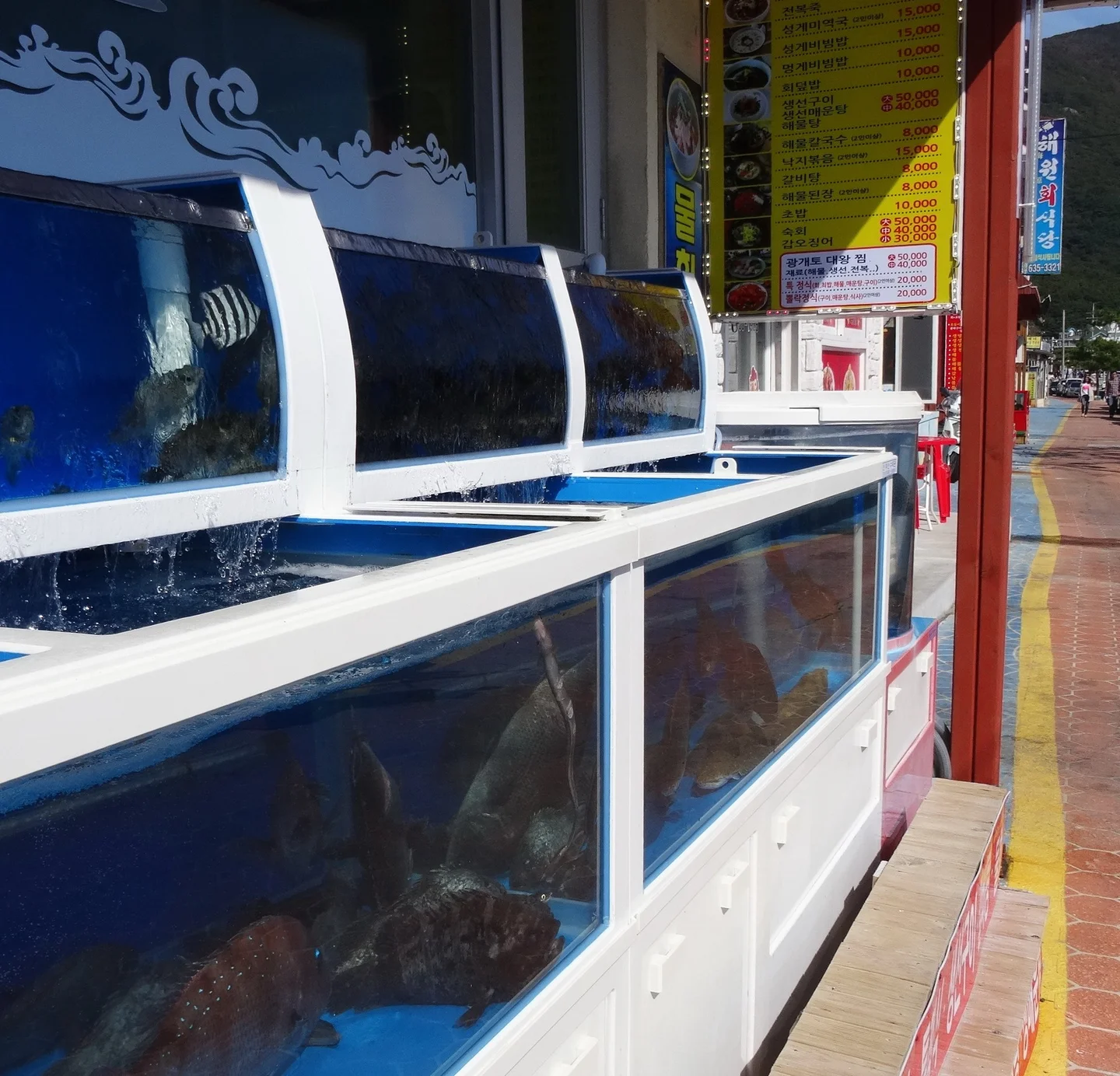
Live-fish tank outside a restaurant on the Hakdong coast
Hakdong’s waterfront has restaurants and places to stay, making it an easy place to pause between walks. Fish tanks outside a restaurant usually signal hoe, sliced raw fish, but the menu may also offer cooked meals. Look for saengseon-gui, grilled fish, or maeuntang, spicy fish soup, if someone in your group prefers a hot dish.
Read the serving size as well as the name. Dae, jung, and so usually mean large, medium, and small for a shared platter or pot. “2인 이상” indicates a minimum of two people or portions. Solo travelers can save time by asking which meals are available for one person before settling in.
For a raw-fish meal, agree on the portion and ask whether rice and soup come with it. Use the restaurant’s current menu rather than an old sign in a travel photograph. You do not need to order an elaborate set just because you are at the coast.
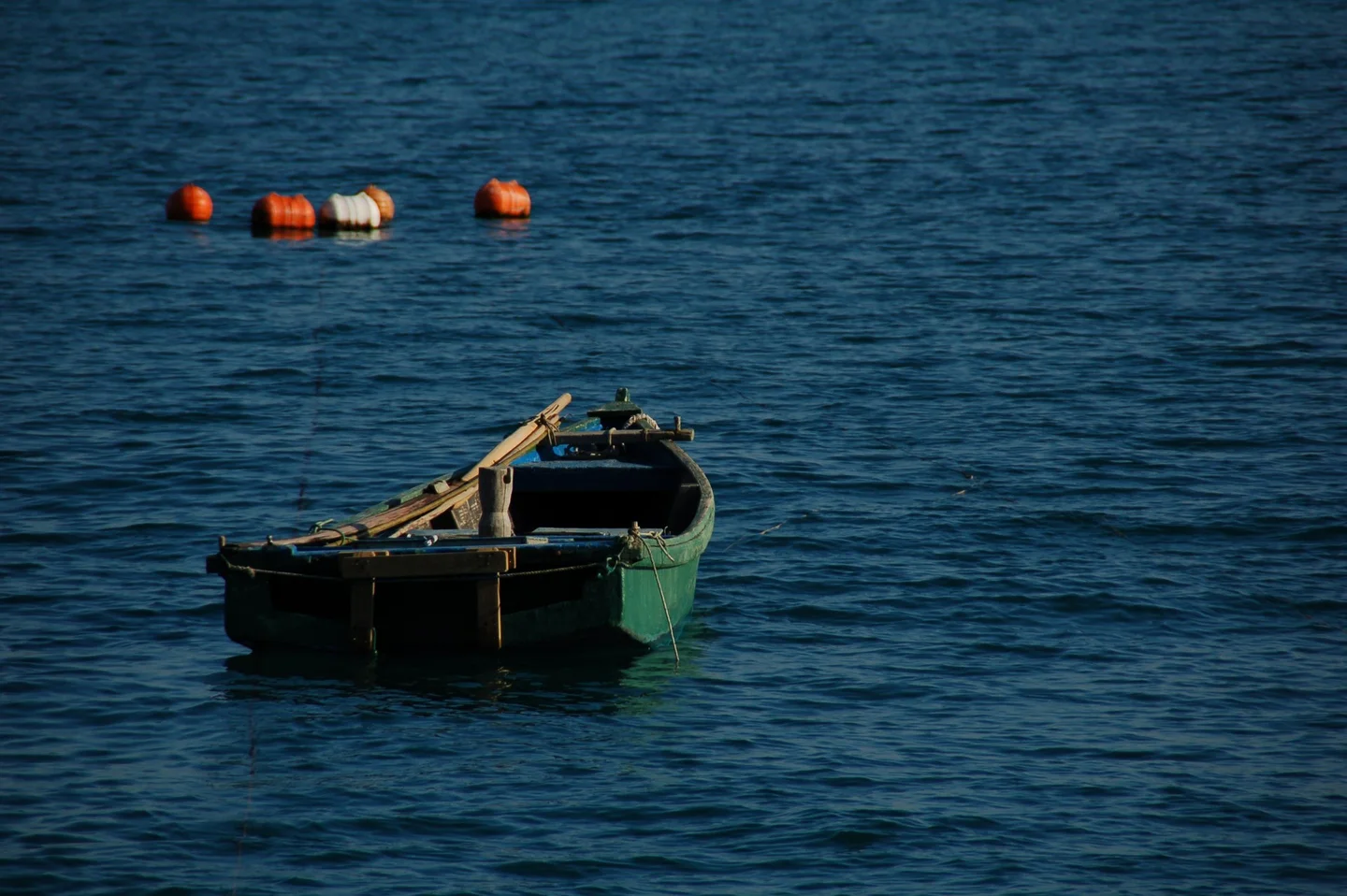
After eating, return to the upper waterfront for a shorter stroll. Small boats, floating markers, and the village buildings keep the working coast in view alongside the beach scenery.
For a day trip, Gujora in the morning and Hakdong after lunch gives each beach a clear place in the itinerary. If you add the castle, shorten another stop. A car gives you flexibility between the two; by bus, arrange the connection and the journey back before spending a long time on the beach.
The Geoje bus-information system lets you search by stop name. Use 구조라해수욕장 for Gujora Beach and 학동 for Hakdong, then check the direction and departure serving your destination. Do not assume every bus passing one beach continues to the other.
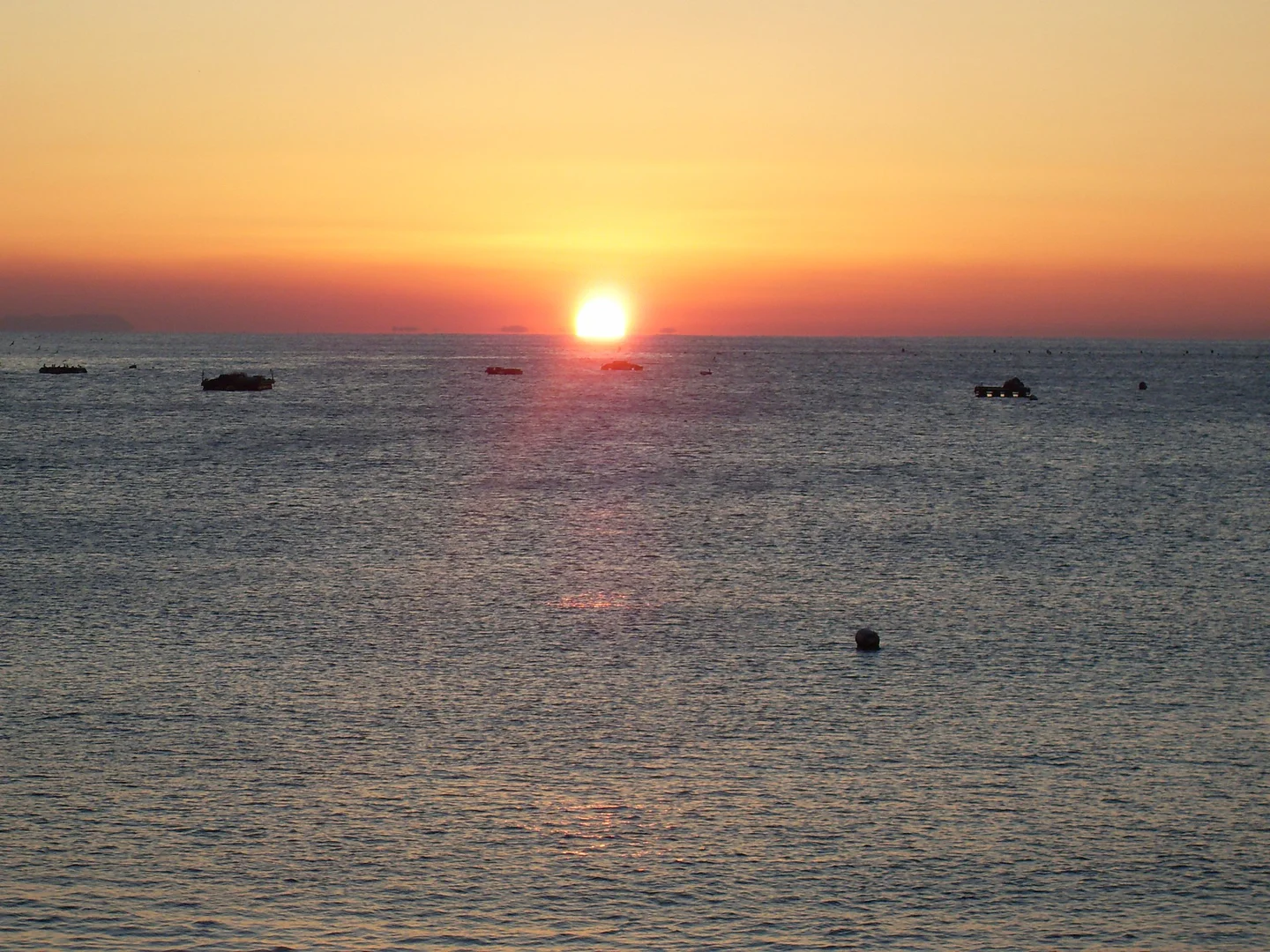
Staying overnight near Hakdong gives you the option of seeing the bay in the early morning. Scout a comfortable viewing spot the day before, then return to watch the light spread over the water. Cloud and season will determine the exact sunrise view.
Campers should book the designated Hakdong campground through Korea National Park Service. Its pitches and accommodation types have their own reservation conditions. A campsite booking is different from setting up freely on the beach.
The pairing works because neither stop needs a complicated program. Let Gujora be the sandy walk, Hakdong the pebble shore, and the village meal the pause between them.