Masan Fish Market: seafood, old-town lanes, and a walk by the bay
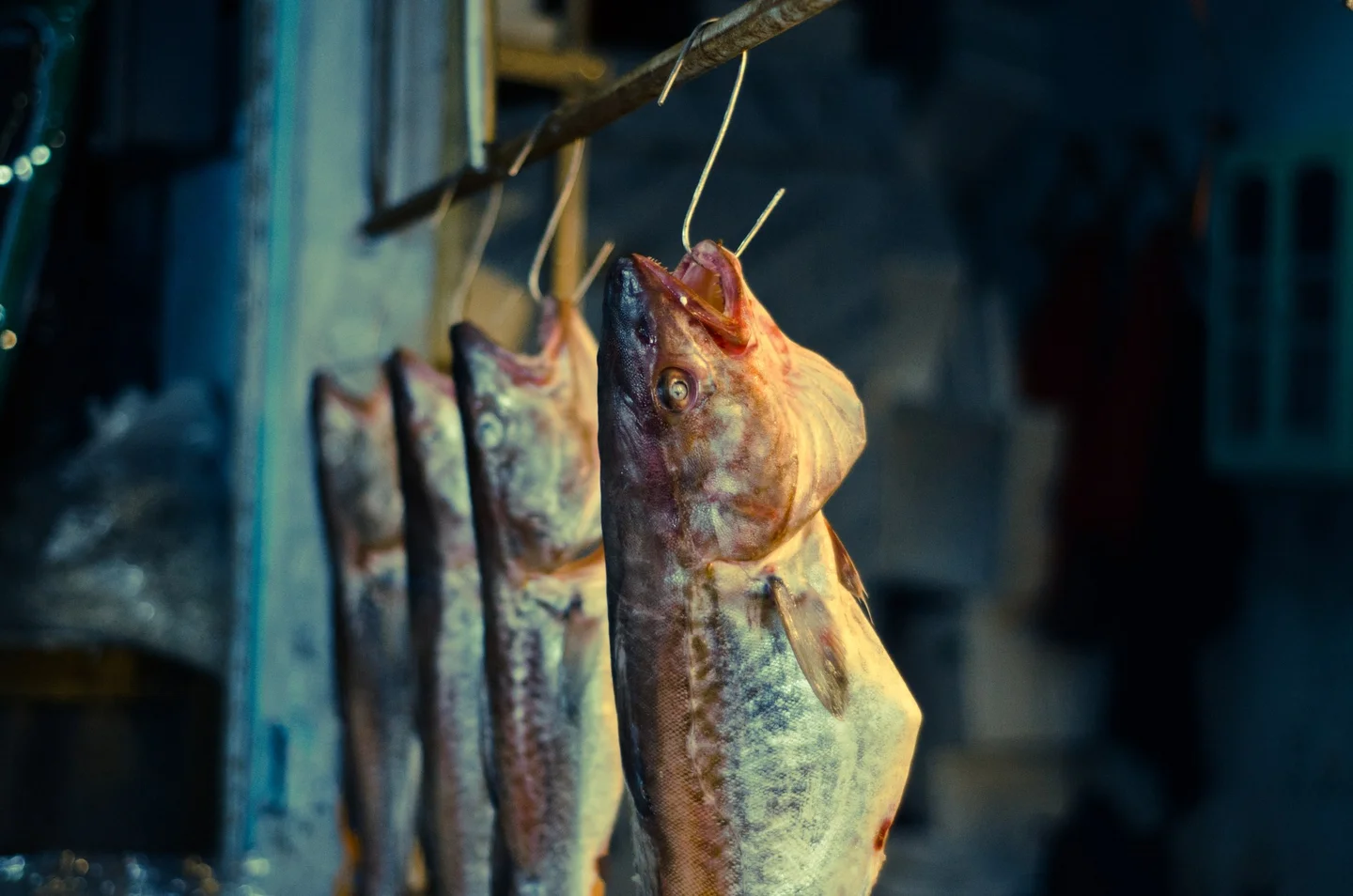
At Masan Fish Market, seafood is part of the city’s everyday business. Fish hang outside shops, dried anchovies are sorted by size, and tanks, crates, and delivery carts fill the lanes. Come if you enjoy food markets where ingredients matter as much as ready-to-eat snacks. A walk here can introduce you to the flavors of Korea’s southern coast, followed by a seafood lunch and time in nearby Changdong or along Masan Bay. Masan is part of Changwon, but it retains a distinct identity as a port city. The market grew around the waterfront after a grain-tax warehouse was established in 1760, then expanded as shipping, trade, and land reclamation changed the harbor. Its history is still easiest to understand through the relationship between the stalls and the sea, rather than by looking for a single historic market building. Plan roughly half a day for browsing, a meal, and one nearby walk. This is an editorial suggestion, not a route you need to complete. Travelers mainly interested in shopping can make a shorter visit; those who want galleries, hillside views, and the waterfront will need to choose their additions carefully.
Start with what you want to eat
Masan’s best-known seafood dishes offer quite different meals. Agujjim, usually written 아구찜 on local signs, is a spicy dish of monkfish with bean sprouts and other ingredients. The traditional Masan style uses dried fish that is rehydrated before cooking, giving it a firmer, chewier texture. If that distinction interests you, ask whether the restaurant serves dried or fresh monkfish. Do not assume every dish carrying the city’s name follows an identical recipe. Agujjim is often ordered as a shared dish. Small, medium, and large refer to the platter size, so ask how many people a portion is intended to serve. A solo traveler may find a soup-based meal easier to order. Odong-dong’s nearby pufferfish restaurant area is known for bokguk, a soup commonly made with bean sprouts and minari, a fragrant green also called water dropwort. Ask for a clear-broth version if you would prefer it to a chili-seasoned preparation. Choose a specialist restaurant for pufferfish rather than treating a market purchase as something to prepare yourself. Raw-fish restaurants and grilled-eel places provide other options. Before selecting fish, establish whether the quoted amount covers only the seafood or includes preparation and the meal setting. Buying ingredients at a stall and taking them elsewhere to be cooked is not a universal arrangement: agree on the process first. If you simply want lunch, choosing a restaurant and ordering from its menu is the most straightforward approach. The dried-goods lanes are worthwhile even without a kitchen. Anchovies, laver, sea mustard, and kelp reveal how much of Korean cooking begins with preserved seafood. For anchovies, explain whether you want something for stock or a stir-fried side dish; size alone is not the whole decision. Some dried fish needs soaking or cooking, while other products are sold as snacks. A quick question about use can be more helpful than choosing the most familiar-looking package.
From the seafood lanes to Masan Bay
Choi2451 · Original · CC BY-SA 4.0 ·
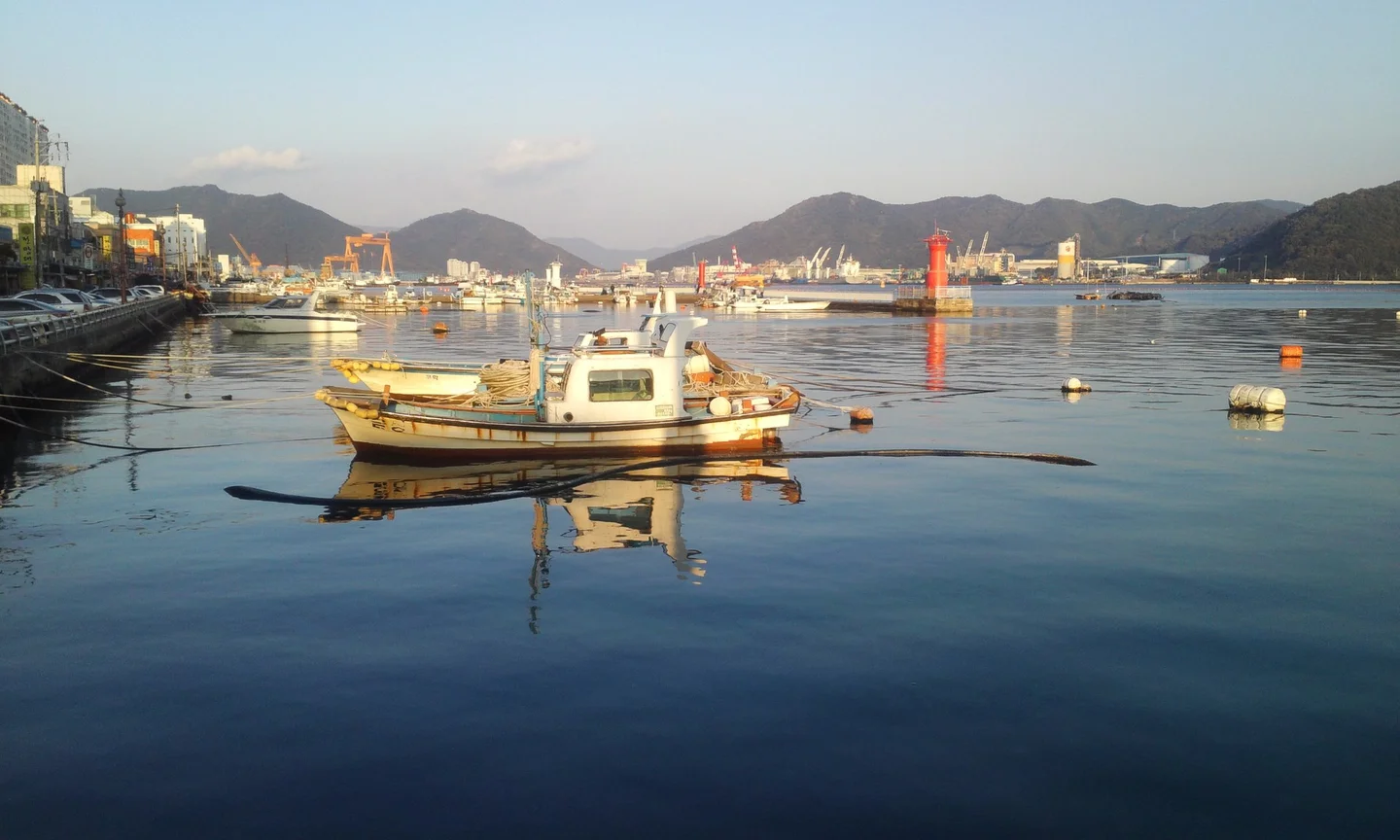
The market spreads through several streets, with sections for live fish, dried goods, salted seafood, vegetables, and other groceries. Establish one arrival landmark, such as Masan Fish Market Public Parking Lot, before browsing. The similarly named western public parking lot is a separate facility, so save the precise location if you are returning to a car. There is no single opening hour for every stall and restaurant. The weekday inquiry hours on the merchants’ association website describe its office service, not a market-wide weekend closure. For a first sightseeing visit, ordinary daytime browsing followed by lunch is easier to organize than trying to arrive for wholesale trading. If one particular shop is the purpose of your trip, use that business’s hours. After the meal, head toward a public waterfront access point for a view of Masan Bay. Boats and harbor installations put the seafood trade into context, with urban neighborhoods and mountains behind the water. Working quays and public walking areas sit near one another, so use the marked pedestrian route rather than following the water’s edge indiscriminately. For a longer, more open walk, make 3·15 Marine Nuri Park a separate destination on your map. Its waterfront paths offer a change from the market’s narrow lanes. You can enjoy the bay without depending on a fountain show or scheduled performance, and decide how far to continue according to the time left in your day.
Changdong for shops, art, and a coffee break
Choi2451 · Original · CC BY-SA 4.0 ·
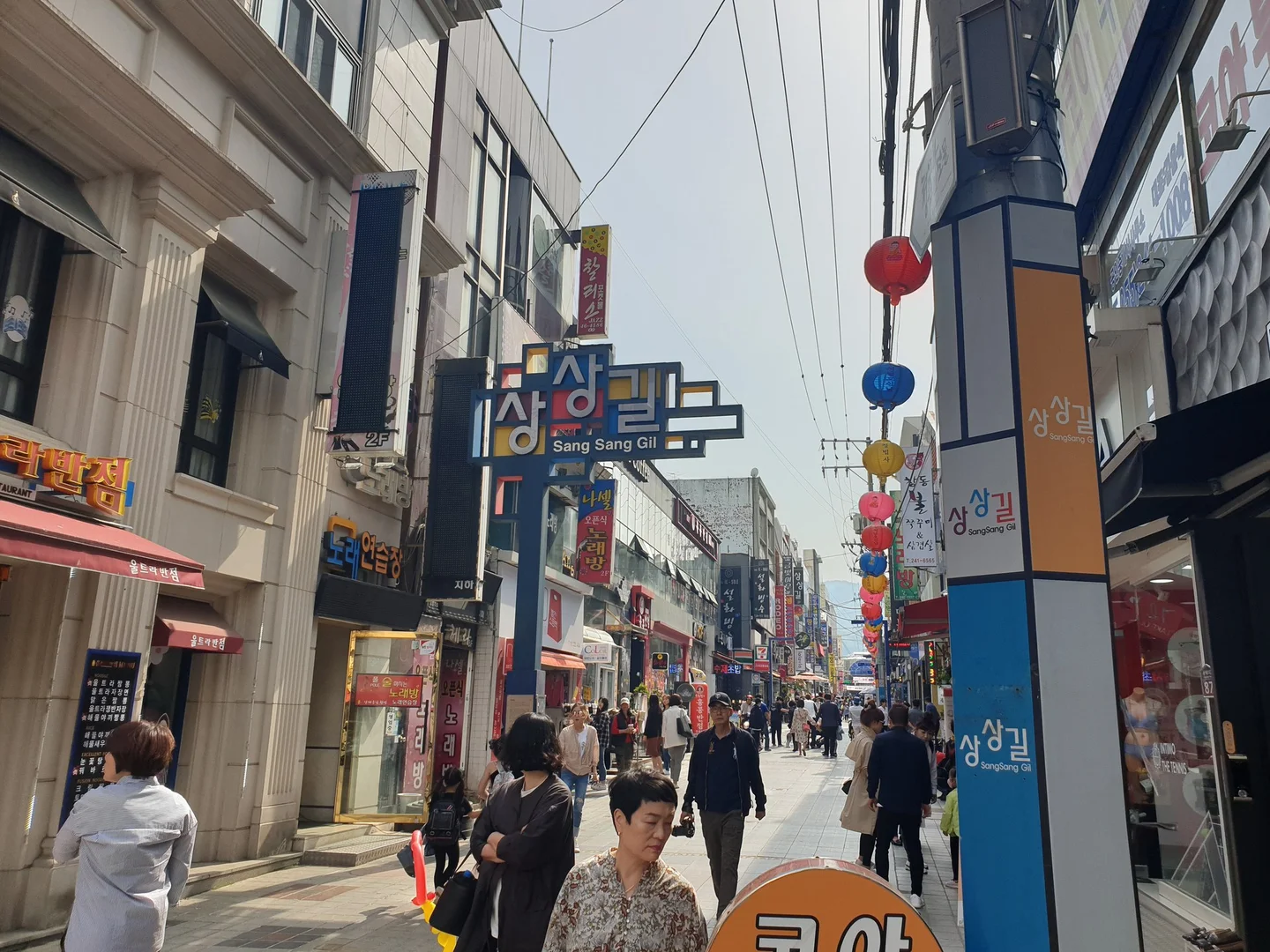
Changdong offers another direction after the market. Sangsang-gil runs through a shopping district, while the adjoining arts-village lanes bring together small galleries, workshops, murals, and cafés. This part of the old downtown was revitalized by making vacant premises available to artists, and the lanes preserve connections to Masan’s creative history, including the sculptor Moon Shin. The contrast is enjoyable: you move from fish stalls and ingredient shopping to small storefronts and art tucked into side streets. Follow whichever galleries are open and leave room to explore the narrower lanes rather than treating the area as a single exhibition building. A workshop may offer a scheduled class, sell finished pieces, or function primarily as the artist’s workspace; ask about the available activity before settling in. If you plan to buy perishable food, browse the market first and make the purchase after your Changdong walk. That order is much easier than carrying fresh seafood through galleries and cafés. For gifts, ask about storage and packaging, then check your destination’s import requirements before assuming a dried product can travel internationally.
Match an extra stop to the time you have
Academy of Korean Studies · Original · KOGL Type 1 ·
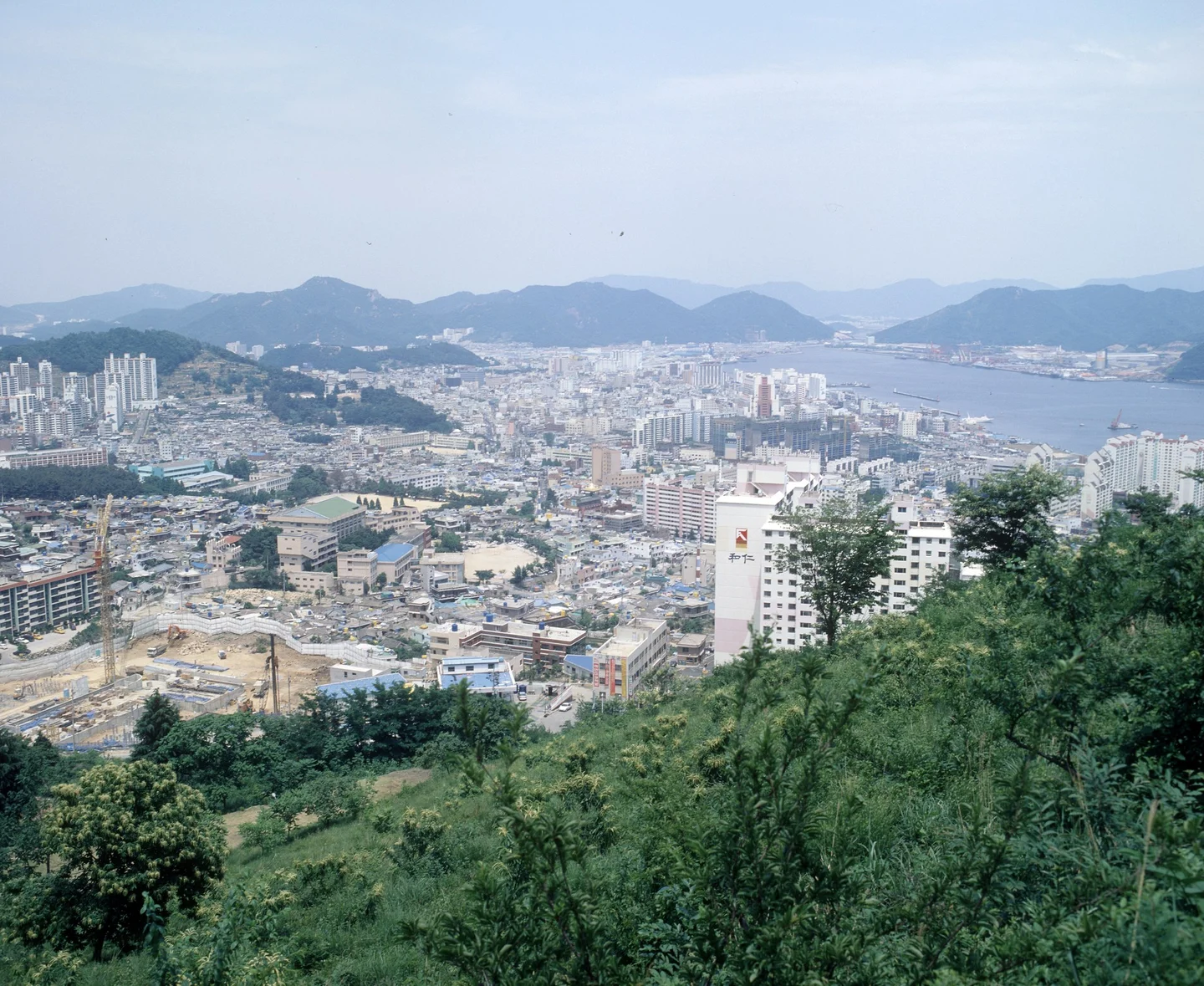
Masan’s neighborhoods climb away from the bay, creating broad city views from the hills. Adding a viewpoint means leaving the relatively level market streets and planning another route. A mountain hike such as Muhaksan deserves its own time allowance; it is too substantial to treat as an incidental after-lunch stroll. With limited time, Changdong or the waterfront gives you a more manageable extension. The Changwon City Tour double-decker bus can help connect Masan Station, Sangsang-gil and Changdong Art Village, the fish market, and Marine Nuri Park. The operator’s guide checked in October 2026 lists a one-day hop-on, hop-off ticket and Monday closure. Tickets are bought onboard by credit card, and ordinary transit cards are not accepted. Check the next departure and the direction of the loop before getting off, since this is a scheduled sightseeing service rather than a frequent city bus.
Choi2451 · Original · CC BY-SA 3.0 ·
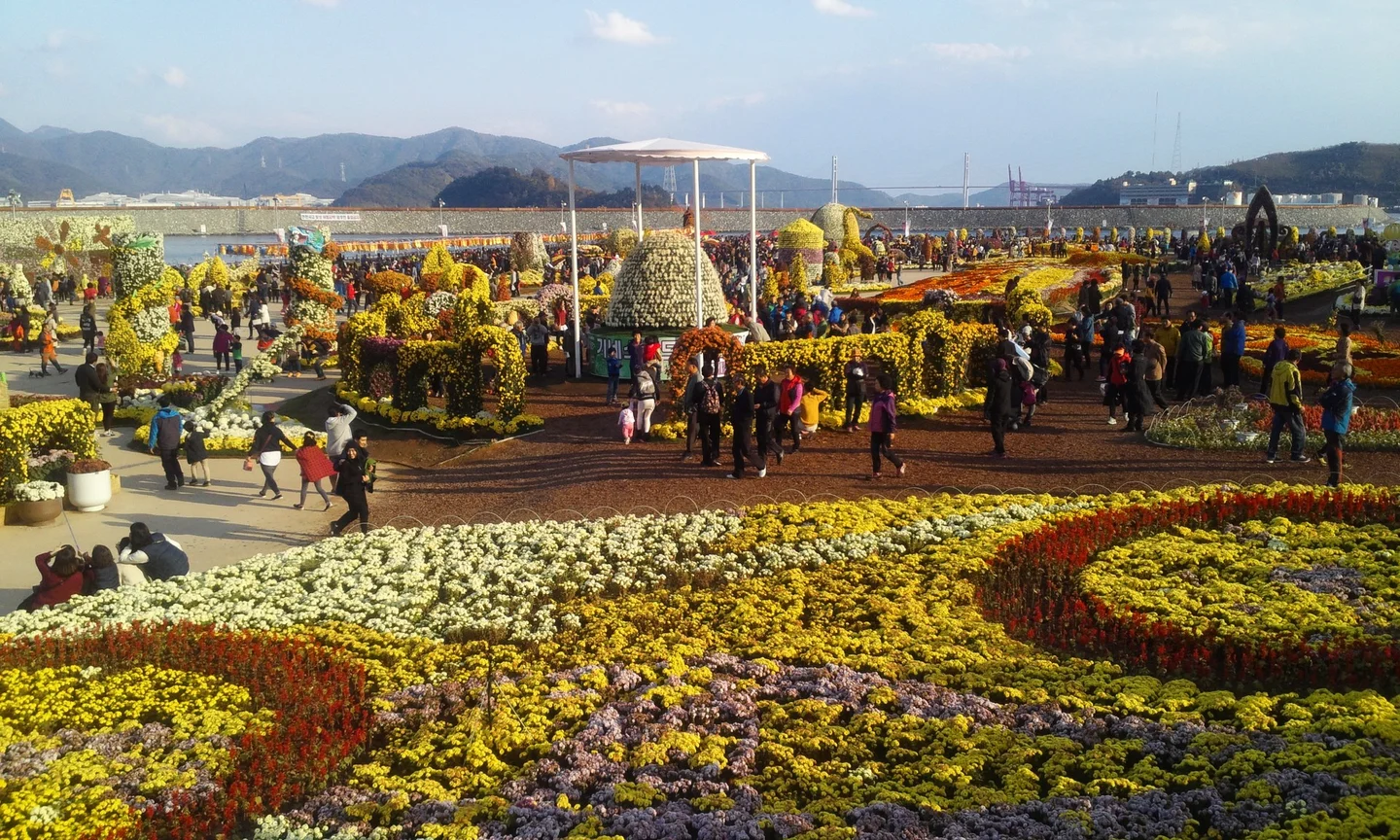
In fall, the Masan Gagopa Chrysanthemum Festival adds large flower displays and sculpted arrangements to the waterfront area. It draws on the city’s history of commercial chrysanthemum growing. The festival is a seasonal event with its own dates and sites, so check the relevant year’s program if you want to combine it with the market. Its displays are not permanent features of the seafood lanes. When arriving by rail, compare the final connection from Masan Station with those from Changwon and Changwon Jungang; the station names do not refer to the same place. Keep Masan Fish Market, 마산어시장, saved as your actual destination. A well-planned visit leaves the market at the center of the day and uses the arts district, bay, or seasonal flowers to show another side of the port.