Gimhae Gaya Theme Park: palace scenery and a day above the city
Republic of Korea · Original · CC BY-SA 2.0 ·
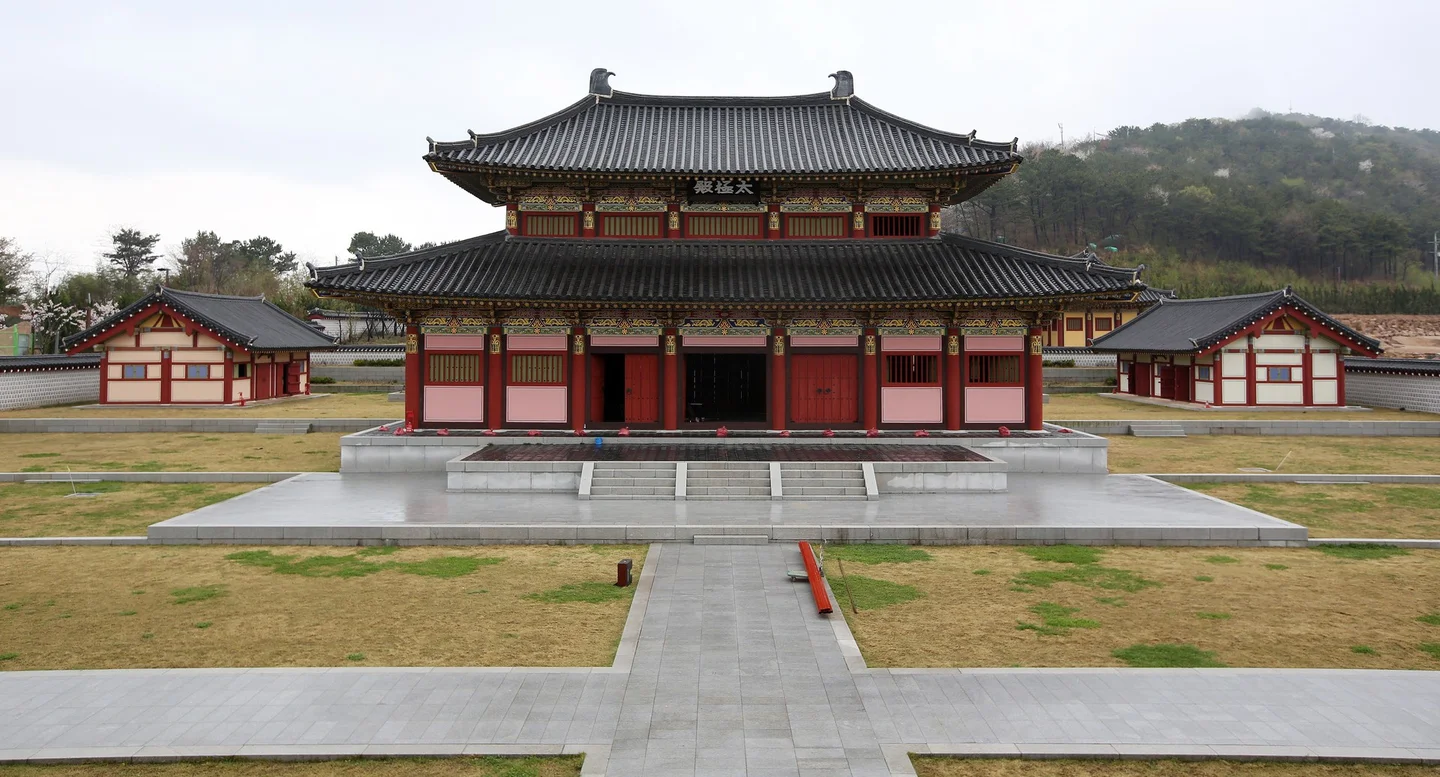
A broad courtyard leads toward Taegeukjeon Hall, with red columns, layered tiled roofs, and wooded slopes behind it. At Gimhae Gaya Theme Park, the setting is part of the attraction. You can spend a relaxed visit exploring the palace grounds and gardens, or build a more active day around performances, crafts, and aerial adventures. Nearby Bunsanseong Fortress and Gimhae Observatory offer two very different ways to extend the outing. The palace complex began as a television drama set and now presents Gaya through themed exhibits and activities. It is a modern interpretation, while the city's archaeological museums hold the excavated objects that explain ancient Gaya in greater depth. Come here for space to explore, colorful architecture, and things to do together. The park sits in the Bunsan mountain area above central Gimhae. Plan the uphill transfer as part of your journey; a light-rail arrival does not put you within a short, level walk of the entrance. A half day works as a starting allowance for the park, with more time needed for several activities or an evening at the observatory.
Choose activities before choosing a ticket
Basic admission and activity tickets cover different things. Start with one or two priorities, then compare what is included in the available packages. A palace-and-garden visit needs a different ticket from a day centered on an adventure course or a performance. The park’s ticket guide is the place to compare those combinations for your travel date. The city’s visitor information lists elevated cycling, an aerial challenge tower, a zipline, and a net-based course among the outdoor activities. Each has its own participation requirements, so check the age, height, and other limits for the specific attraction before buying. Families with younger children may prefer the Gaya Warrior Adventure play area, while companions who skip the high-level activities can explore the palace and gardens. The Painters: Gaya Kingdom combines painting, movement, lighting, and music in a nonverbal performance. That format makes it worth considering if a Korean-language history presentation would be difficult to follow. Check the day’s performance time before planning the rest of the visit. Craft sessions need a similar approach: ask when the activity starts and whether the finished piece can be taken away the same day or requires later collection. As checked on October 12, 2026, the Gimhae tourism listing gives regular park hours of 9:30 a.m.–6 p.m. and a Monday closure, with exceptions for public holidays and special events. Individual facilities have different schedules, and special night openings are advertised separately. Use the current calendar when deciding whether an afternoon arrival leaves enough time for your chosen activities.
The palace, up close
Republic of Korea · Original · CC BY-SA 2.0 ·
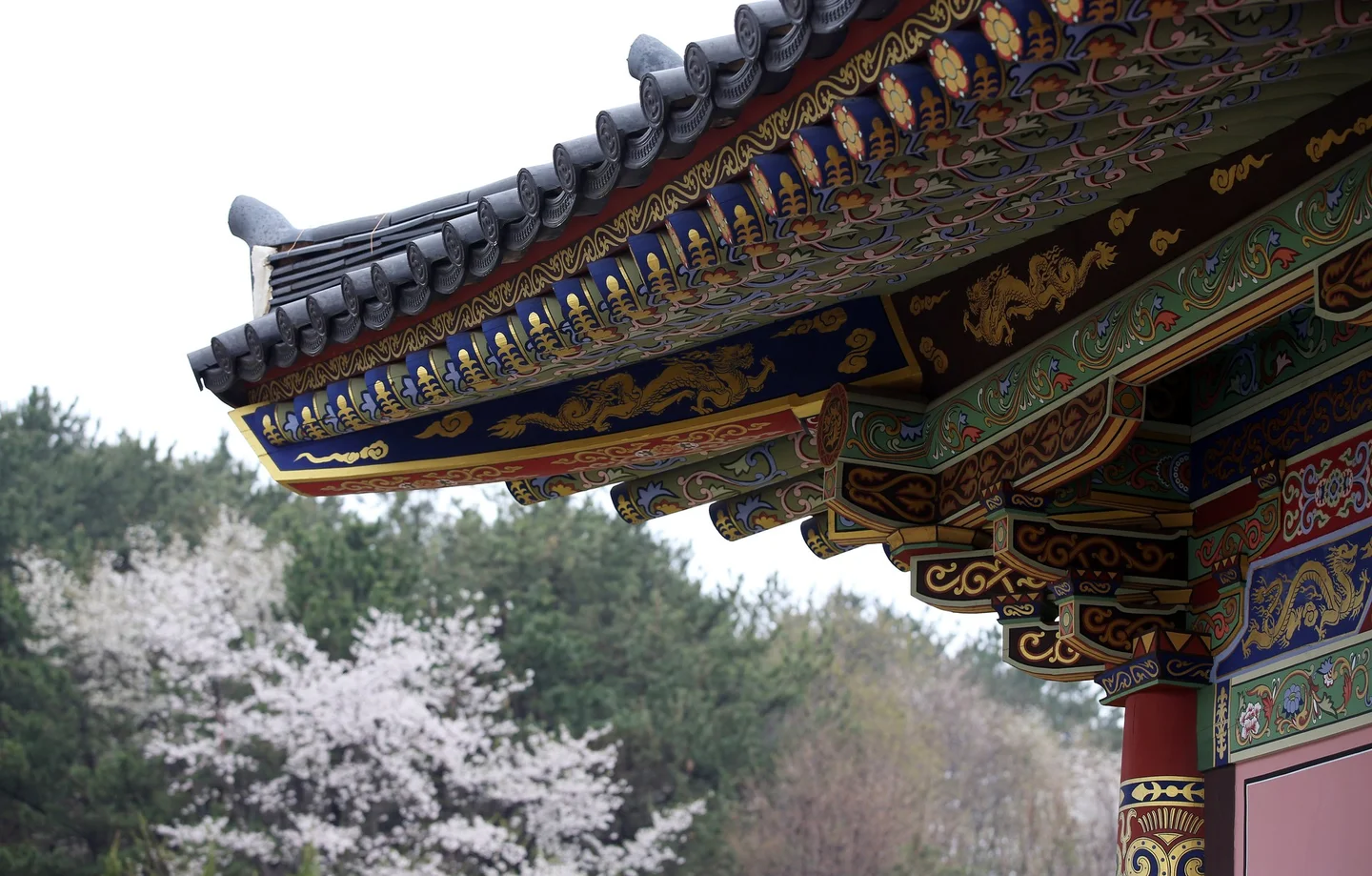
Taegeukjeon is a useful landmark for exploring the palace area. Begin in the open courtyard, where the broad roof and symmetrical arrangement are easiest to take in, then move closer to the painted brackets beneath the eaves. Blues, greens, reds, and gold-toned details repeat across the timberwork. Seasonal trees soften the geometry of the buildings, but the architecture provides plenty to look at throughout the year. The grounds reward a slower circuit between scheduled activities. Wide views of the palace and close inspection of the painted woodwork offer different experiences, even within a small area. If you are visiting with someone who finds slopes tiring, make the palace and garden paths the core of the outing. Accessible routes exist, but access to individual buildings and adventure facilities varies.
Republic of Korea · Original · CC BY-SA 2.0 ·
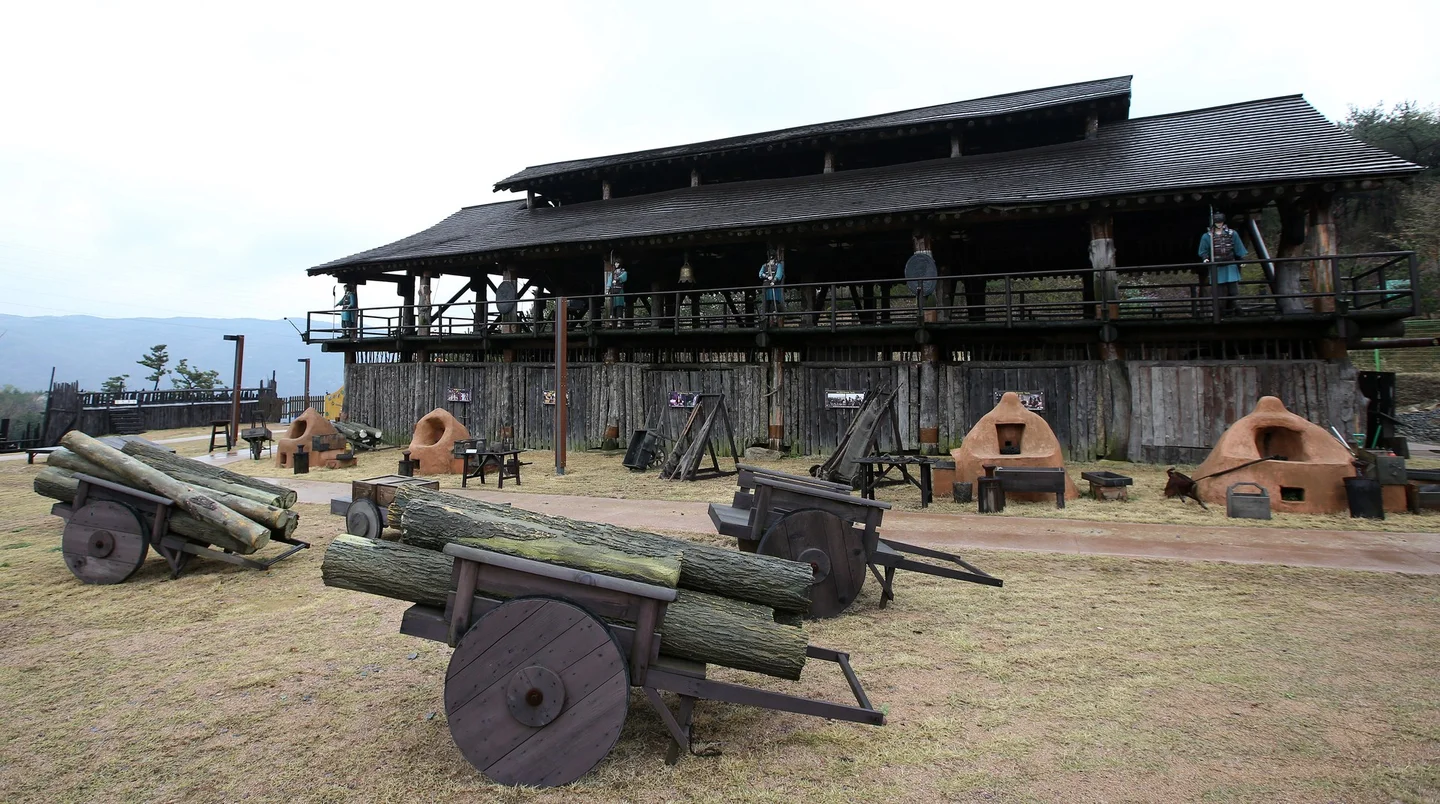
The smithy-themed set brings a rougher texture to the visit: timber structures, carts, and furnace-like forms replace the palace’s formal colors. It evokes the importance of iron in Gaya culture through a constructed workshop scene. Follow the current program signs if you want a hands-on activity; a set building and an operating workshop are different parts of the visitor experience.
Add Bunsanseong for a hillside walk
문화재청 · Original · KOGL Type 1 ·
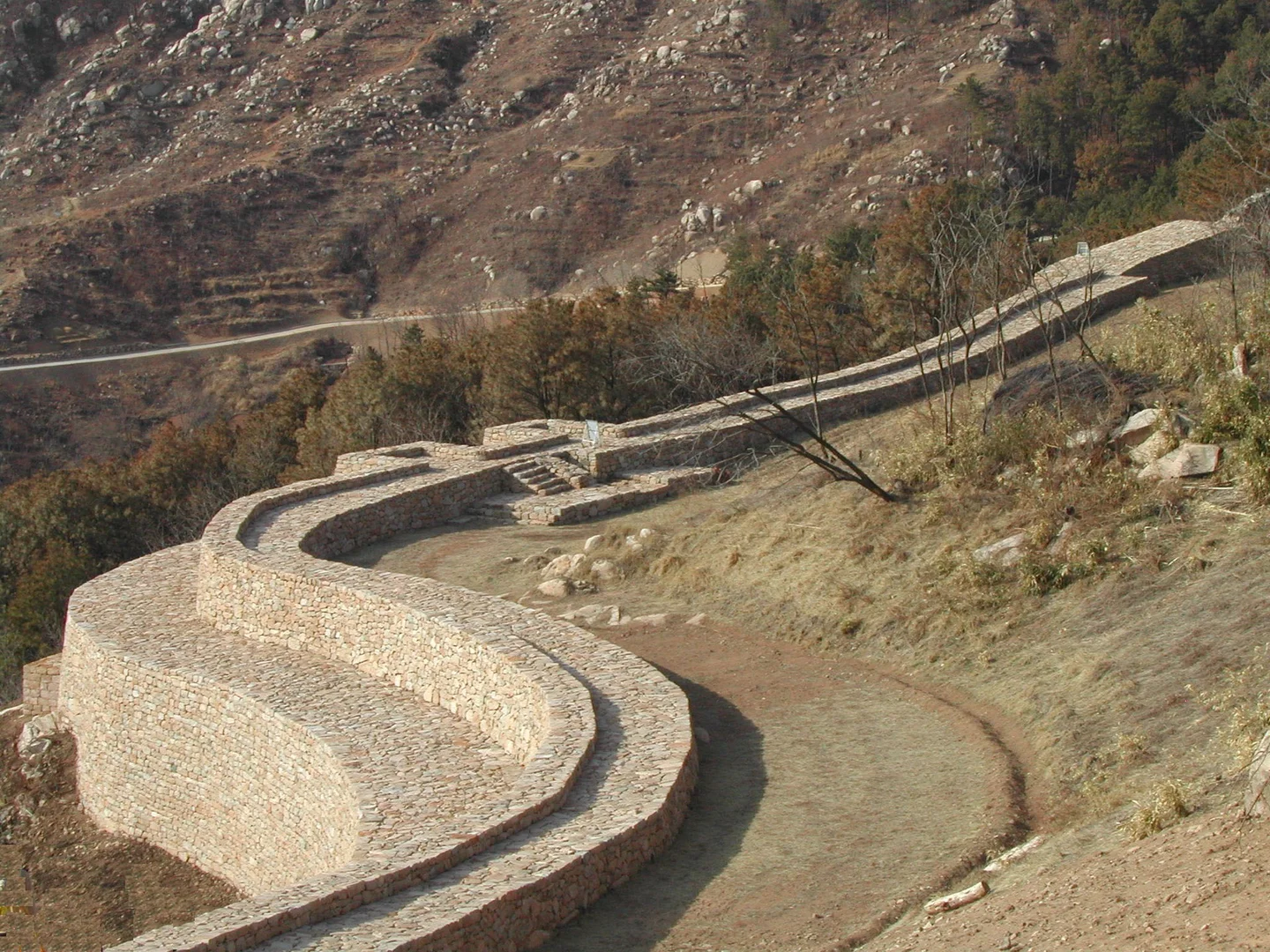
Bunsanseong is a separate historic fortress whose stone walls follow the mountain’s contours. The appeal is both the curving masonry and the view across Gimhae toward the wider plain. It makes a good addition for travelers who want a walk after the park, particularly when the air is clear enough to appreciate the city’s setting. The fortress has a long construction and rebuilding history. The Korea Tourism Organization records a major phase in 1377 and reconstruction in 1871 after earlier destruction. Inside is Haeeunsa Temple, associated with traditions surrounding King Suro and Queen Heo. These layers of history give the mountain a different character from the themed palace below. Allow daylight for the hillside paths and stone steps. This extension involves more uneven ground than a courtyard circuit, so a park visit alone may suit companions who need easier surfaces. If you have an observatory session later, work backward from that start time and leave a margin for the transfer rather than trying to fit every wall section into the gap.
City lights and the night sky
Republic of Korea from Seoul, Republic of Korea · Original · CC BY-SA 2.0 ·
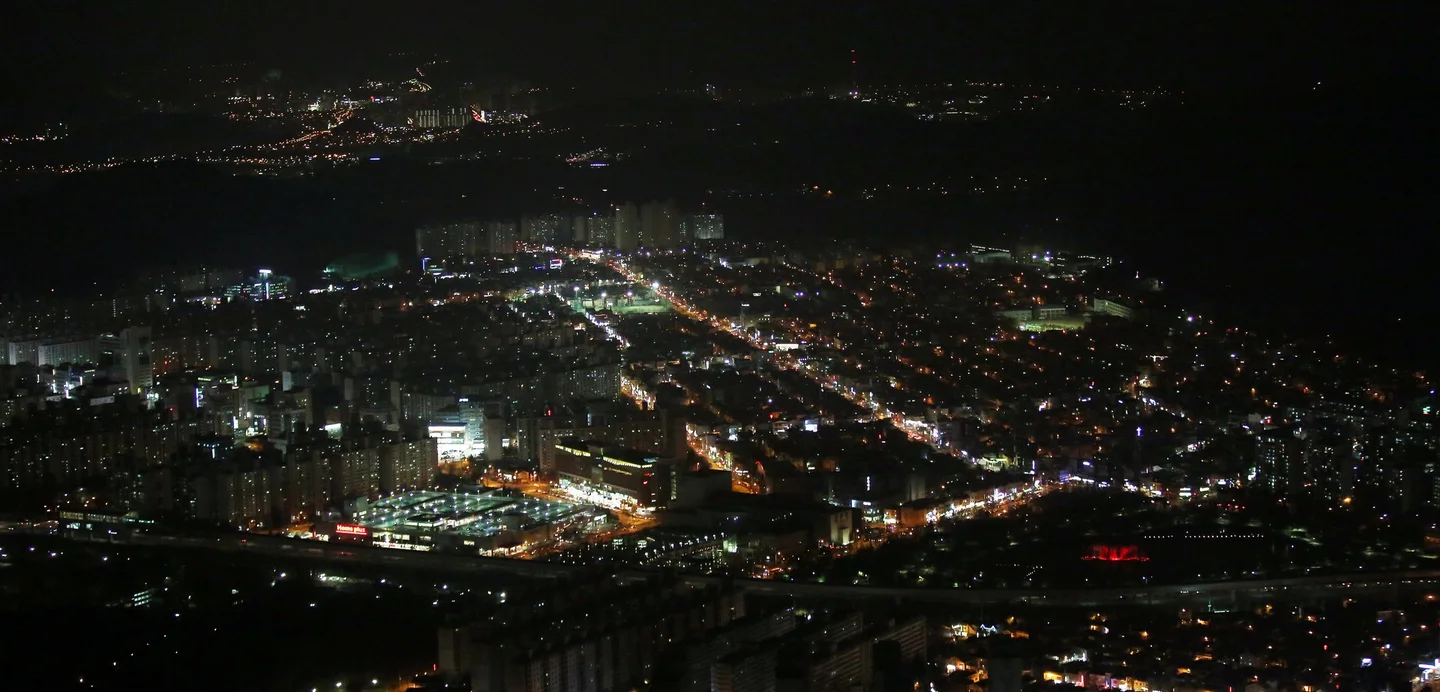
Gimhae Observatory adds an evening possibility to the mountain outing. From the surrounding elevated viewpoints, illuminated roads and neighborhoods spread across the plain. Seeing the city lights can be worthwhile in its own right, but staying after dark requires a return journey that works beyond the park’s daytime transport schedule.
Republic of Korea from Seoul, Republic of Korea · Original · CC BY-SA 2.0 ·
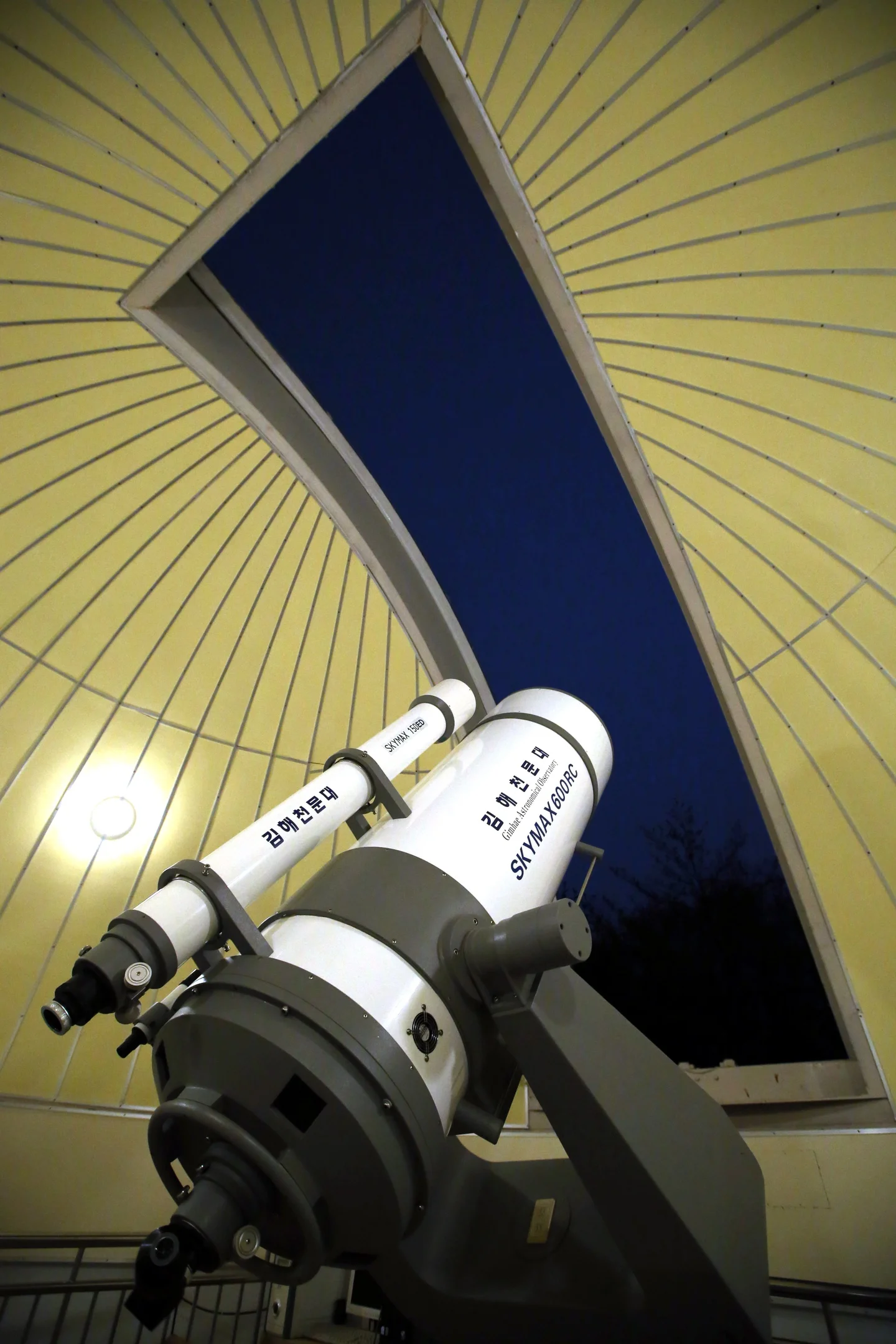
Telescope observing is a separate activity from enjoying the panorama. The observatory also runs indoor astronomy programs, and their ticketing and reservation arrangements can differ from those for viewing the actual sky. Consult the observatory’s current program information for the session you want. Cloud can prevent telescope viewing even when other parts of the visit proceed, and the objects visible change with the season and time of night. For a family visit, ask about the length and language of the indoor presentation as well as its age guidance. A short telescope session and a longer seated program place different demands on younger children. If astronomy is the main reason for coming, give that session priority and keep the daytime plan light enough to enjoy the evening.
Getting up the mountain and back
Inje University Station on the Busan–Gimhae Light Rail is the connection named in the park’s shuttle information. Consult the official shuttle page for the operating day, boarding point, eligibility, and both outbound and return departures. Service is limited rather than a frequent city-bus connection, and a daytime shuttle should not be assumed to cover an observatory visit after dark. A taxi or private vehicle gives you more flexibility for a late return or a combined park-and-observatory itinerary. Save the exact pickup location before leaving the park area. If you are relying on the shuttle, choose activities that finish comfortably before the return departure and keep the fortress extension for a day when the connection leaves enough time.