Korean Folk Village, Yongin: Traditional Homes, Live Performances, and a Full Day Outdoors
AnbyG · Original · CC BY-SA 4.0 ·
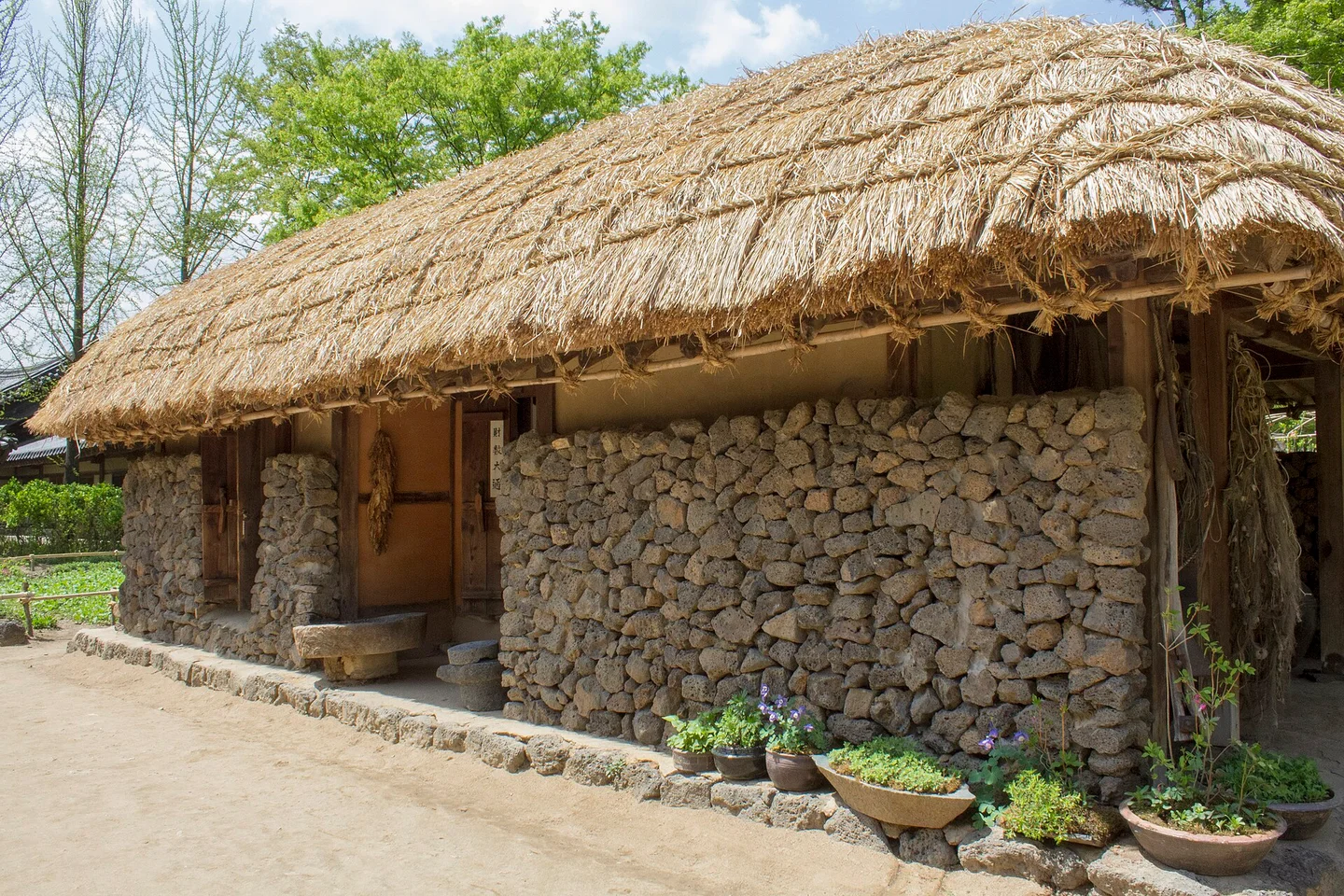
Korean Folk Village is most rewarding when you leave time for something to happen. A courtyard fills with percussion, a craftsperson shapes an everyday object, or a quiet lane opens onto water and trees. The houses provide the setting, but demonstrations and performances give the visit its movement. It is an appealing day trip if you want to see how traditional buildings, household work, and entertainment fit together. Opened in 1974, this is a ticketed cultural theme park in Yongin, assembled with houses relocated or reconstructed from different parts of Korea. It presents a Joseon-era village through architecture, objects, crafts, and staged activities. The official introduction explains that background. Plan for an interpreted visitor attraction, with a program and opening hours, rather than an inhabited historic neighborhood. Allow at least half a day, and preferably a full day if you want performances, a leisurely meal, and the amusement rides. A useful starting plan is one priority show, a circuit of the houses and workshops nearby, then lunch and a waterside walk. Families adding rides should reserve a distinct part of the afternoon for the amusement area.
Choose Your Ticket and Arrival Around the Day's Program
Sanggal Station on the Suin–Bundang Line is a practical rail approach, followed by a local bus or taxi. The entrance is not immediately outside the station. The operator's transportation guide also lists direct buses from the Gangnam–Sinnonhyeon area and the Seoul Station area. Compare the whole journey from your accommodation, including the final walk from the bus stop, rather than the rail segment alone. The ticket choice can affect what you see. All-day admission gives you the most flexibility for daytime performances; afternoon tickets have their own entry times and seasonal availability. As checked on October 12, 2026, the official price page lists adult all-day admission at ₩37,000 on weekdays and ₩39,000 on weekends. It also advertises a ₩22,000 foreign-visitor offer through 2026 with a passport or foreign resident registration card. Check that offer's validity for your date before buying another ticket. At entry, match the performance timetable to the village map. Buildings and facilities are numbered, which is useful when several unfamiliar Korean names appear close together. Mark your chosen show's location and explore that part of the village first. This is a spacious site; a short gap between two show times can still be too short for the walk between venues. Opening hours vary with the season and program. An evening visit is worth considering when the current calendar includes something you specifically want to see, but it will not automatically reproduce the daytime workshop and performance schedule.
Compare the Houses, Then Follow the Objects into the Workshops
AnbyG · Original · CC BY-SA 4.0 ·
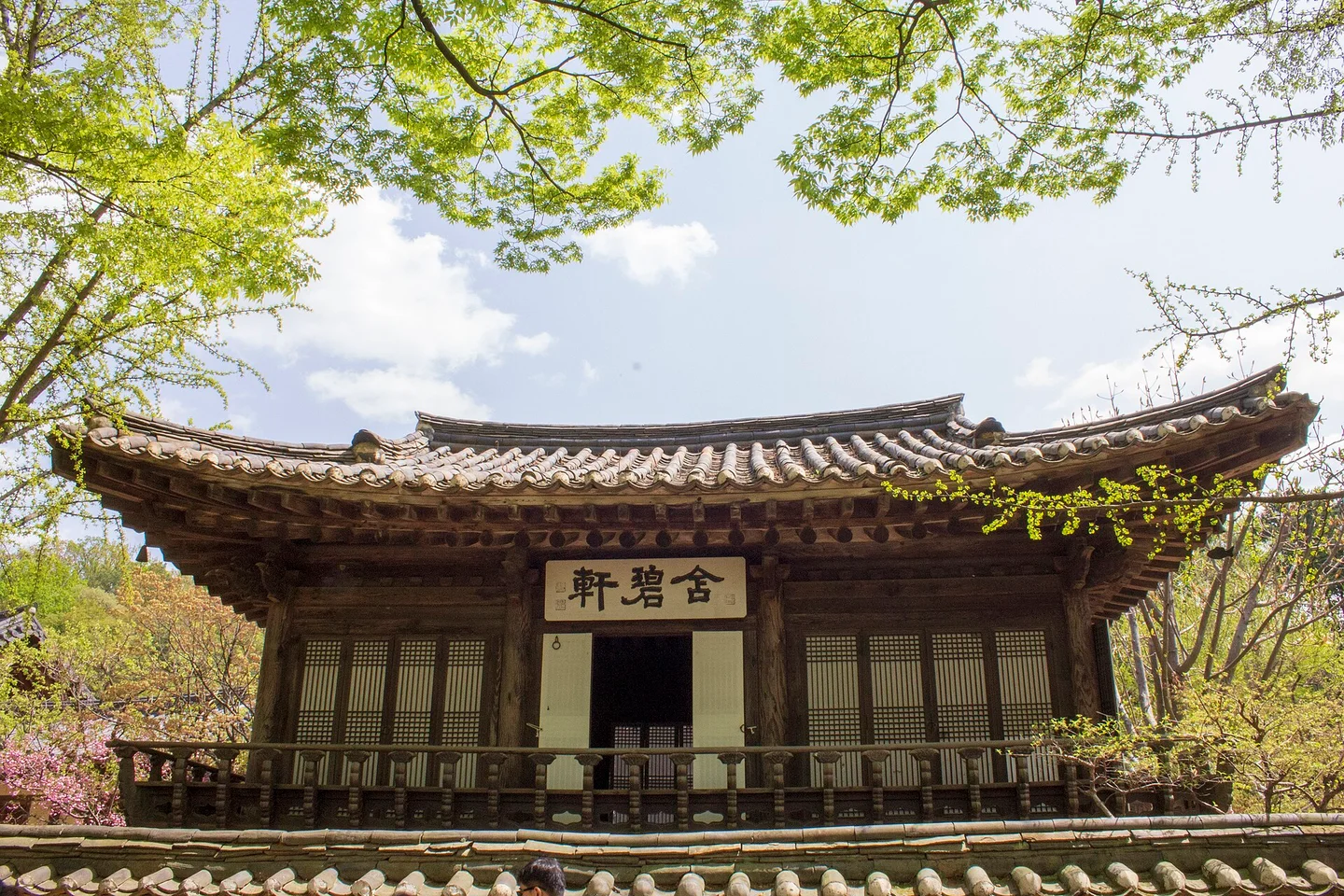
Start with a thatched house and a tiled-roof building, then look beyond the obvious difference overhead. Where is the kitchen? How does the courtyard connect the rooms? Which areas are raised above the ground, and where would household goods have been stored? These questions make the houses easier to distinguish and give children something more concrete to find than “another old building.” At Hambyeokheon, the wooden columns, lattice doors, and long tiled eaves reward a slower look. Regional variations in houses are a major part of the village's interest, so use the building labels to connect a design to its place of origin. Enter rooms or raised floors only where the display allows it; some interiors are for viewing from outside.
AnbyG · Original · CC BY-SA 4.0 ·
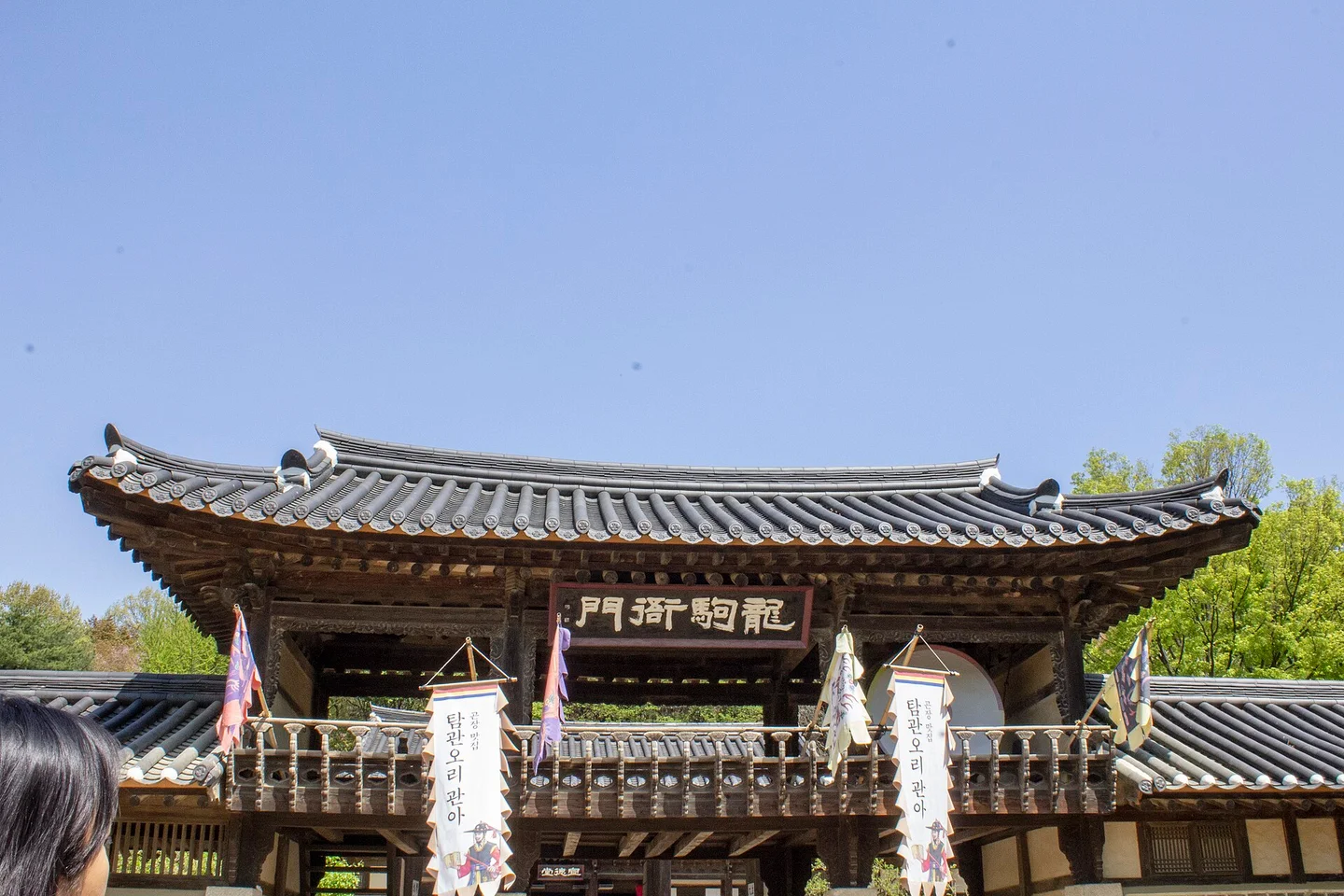
The government-office compound introduces a different scale and purpose. Its substantial gate and formal courtyard contrast with the more intimate spaces of a home. It is also an easy place to recognize the visual language of Korean historical dramas: official buildings, ceremonial entrances, and the separation between public authority and domestic life. Continue toward the craft workshops. The current workshop guide places demonstrations around village buildings 24–27 and describes work such as straw-shoe making, metal spoon shaping, fan making, and mask carving. Watching the tools and repeated hand movements connects the finished objects in the houses to the labor behind them. A demonstration and a hands-on session are different activities. If you want to make something, ask about the next session, age requirements, duration, and any separate materials charge before committing to another show. A short workshop can be the day's main activity rather than an extra squeezed between attractions.
bzo · Original · CC BY-SA 2.0 ·
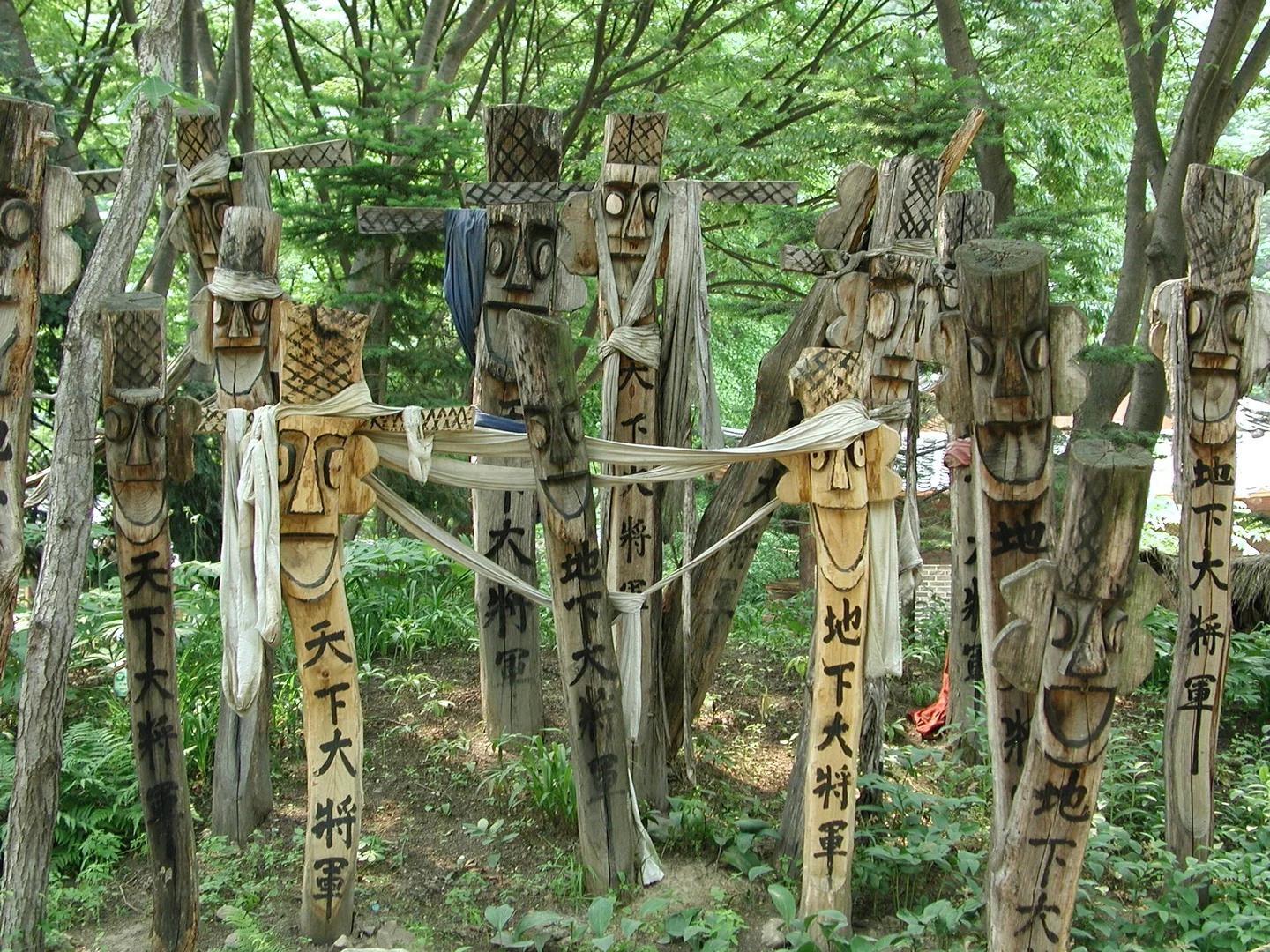
Jangseung, the carved wooden guardian posts, add another layer of detail along the paths. Compare their wide eyes, teeth, headgear, and inscriptions. Their exaggerated expressions offer a lively counterpoint to the orderly house courtyards, and make an easy observation game for younger visitors.
Pick a Performance You Can Enjoy Without Following Every Word
AnbyG · Original · CC BY-SA 4.0 ·
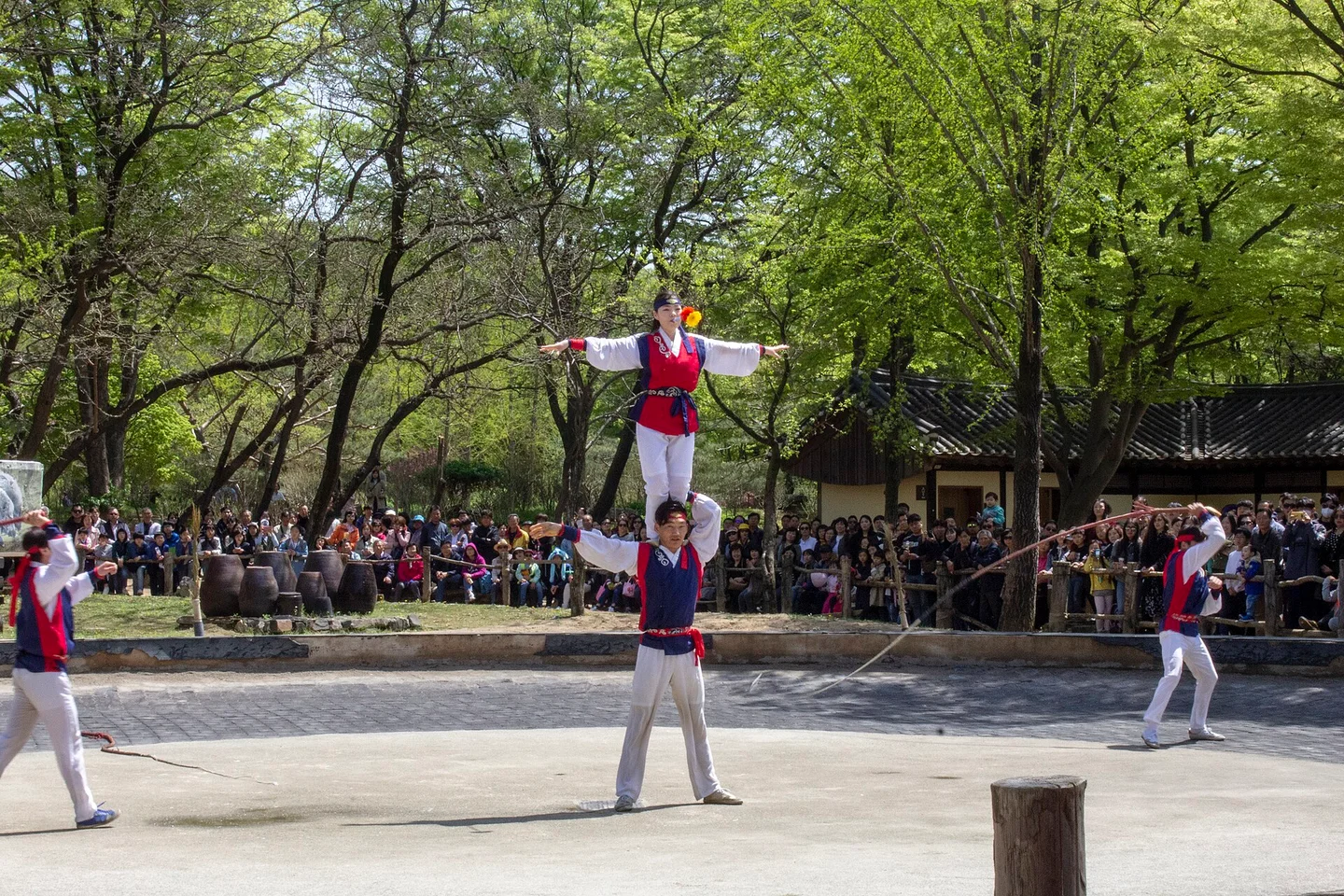
Percussion, dance, and physical performance are especially approachable if you do not speak Korean. The changing rhythm, coordinated movement, and response of the audience carry much of the experience. Dialogue-led character encounters can be entertaining too, but their jokes and storylines may depend more heavily on language. The performance calendar is the place to choose a show. One example listed as of October 12, 2026 is Samdo Pangut, a traditional ensemble performance bringing together regional pungmul rhythms. Its program description gives the venue and current schedule. Use the listing for your actual travel day, since weekday and weekend times differ and weather can alter outdoor performances. Give one show enough time to unfold instead of watching the first few minutes of several. Once its time is fixed, place lunch and nearby houses around it. On a rainy day, the houses, exhibitions, and operating craft demonstrations give the visit more substance than a plan built entirely around an outdoor stage.
Make the Waterside Walk and Lunch Part of the Visit
玄史生 · Original · CC BY-SA 3.0 ·
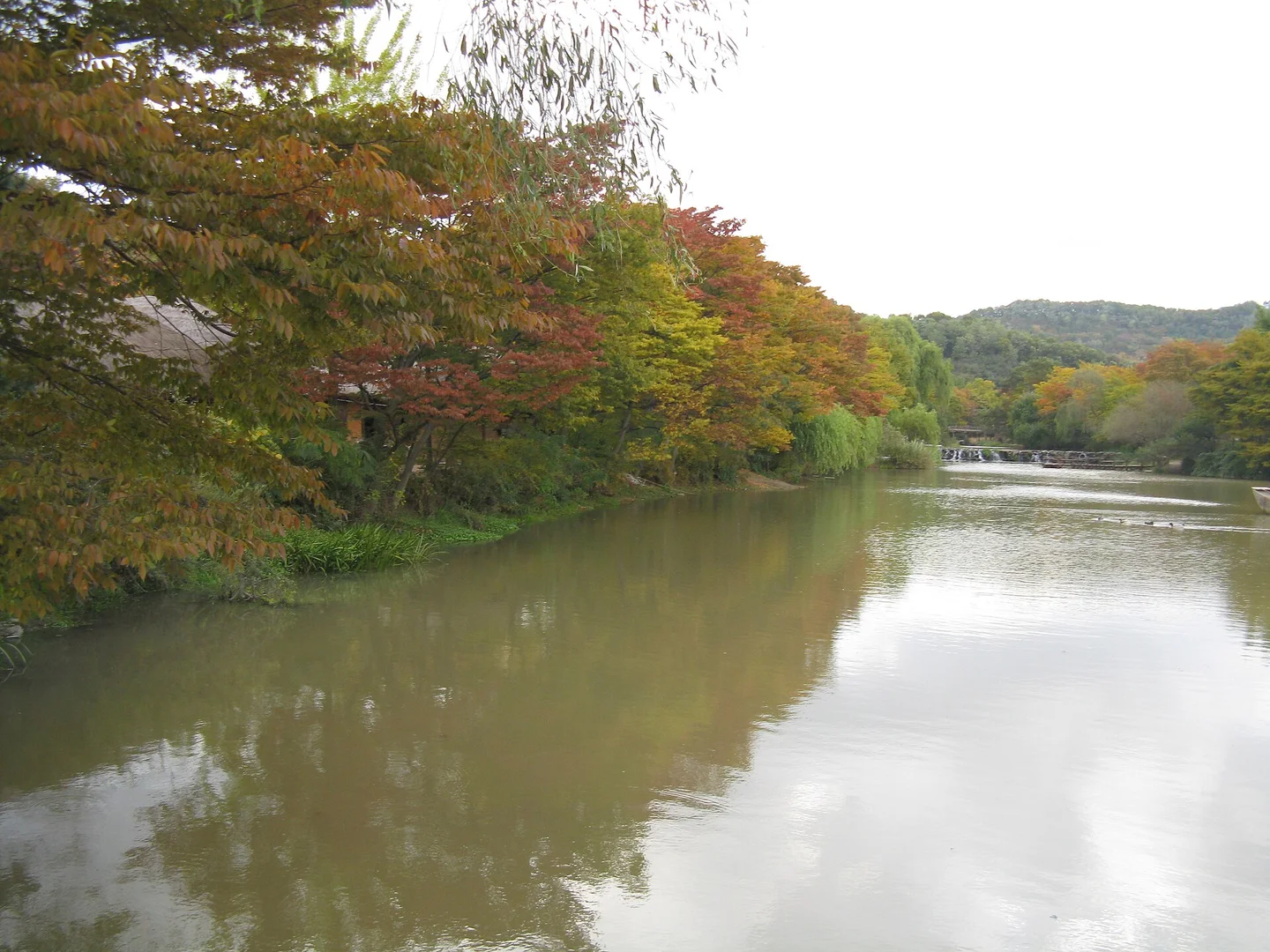
The water and tree-lined paths change the pace after a run of house interiors and courtyards. Reflections, small bridges, and pavilion views make this a good section for an unhurried walk. Autumn foliage is particularly attractive, but the shade and wooded setting are part of the experience in other seasons too. For lunch, the Jangteo marketplace dining area offers a straightforward way to stay inside the village. Its menu includes beef gukbap, a soup-and-rice meal, and dishes such as yukjeon, thin slices of beef coated and pan-fried. A hot bowl suits a quick individual meal; a shared plate works better when your group has time to sit. Choose lunch before or after the busiest show slot rather than expecting to order, eat, and cross the grounds in a narrow interval. Visitors using wheelchairs or strollers should consult the accessibility guide when choosing the route. Ramps, accessible viewing areas, and rentals are available, but some traditional-village paths are unpaved and some bridges or building approaches have slopes or steps. The medical-center information desk handles wheelchair and stroller rentals. Asking about the most suitable circuit at the start is more useful than discovering a difficult section halfway across the grounds. A Few Rules That Affect the Plan As checked October 12, 2026, the official admission rules do not allow reentry after leaving. Arrange an in-park meal if you are staying all day. Pets are excluded, with an exception for guide dogs. For the amusement rides, check individual height limits and current operation before promising a particular ride to a child; busy queues can close ahead of the park itself.