Paju DMZ Tour: The Third Tunnel, Dora Observatory, and Choosing the Right Trip
Dwxn · Original · CC BY-SA 4.0 ·
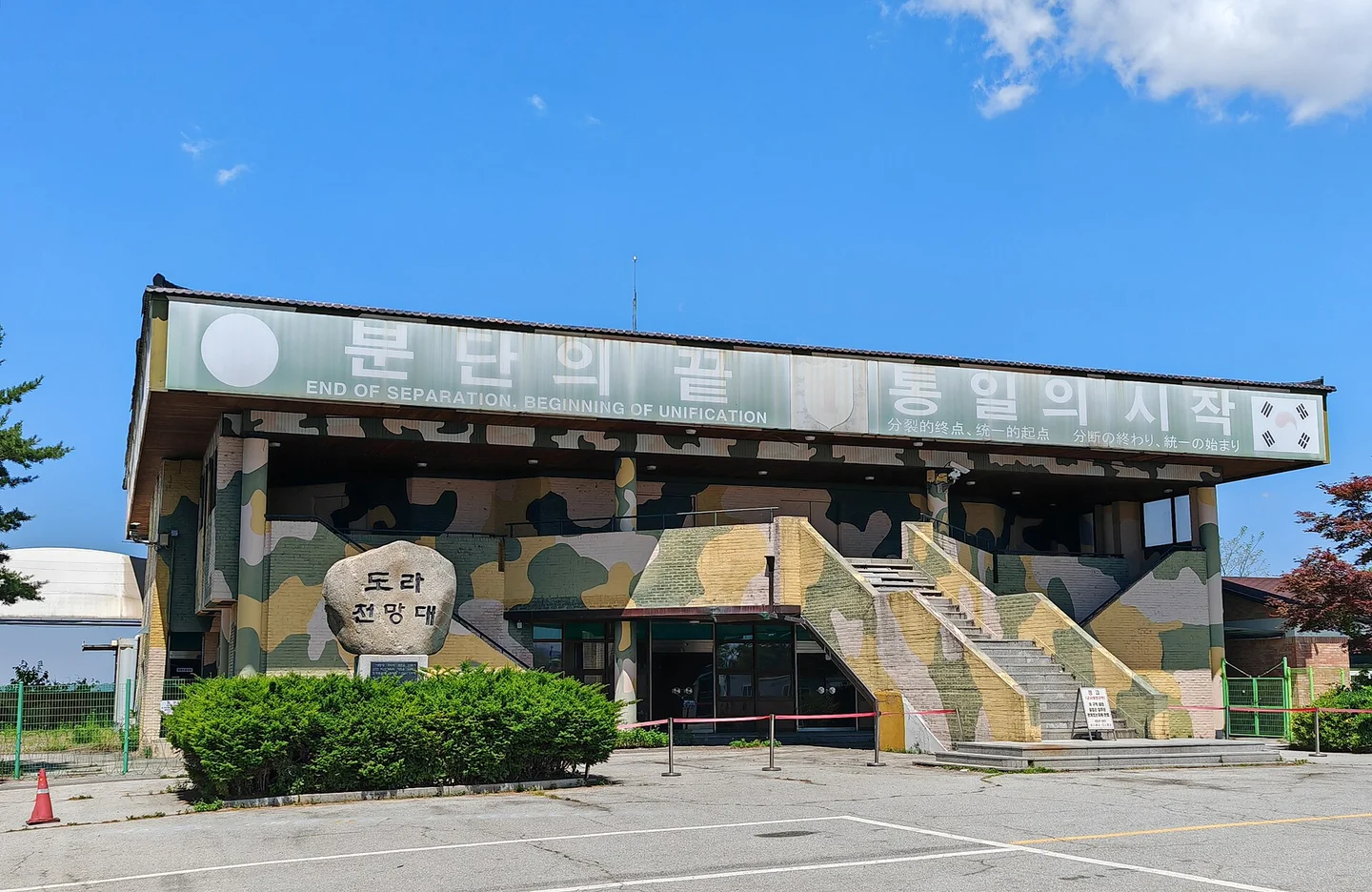
A passage cut through rock and a view across open farmland tell very different parts of Korea’s division. At the Third Tunnel, the border’s military history is physically close; at Dora Observatory, roads, villages, and mountains make its geography easier to understand. Together, they give a DMZ day trip from Seoul more substance than a distant glimpse toward North Korea. This outing suits travelers interested in modern Korean history who are comfortable with a fixed route and group schedule. You enter a controlled area through an organized program. Driving to Imjingak independently gets you to the departure area, not unrestricted access to the tunnel or observatory. When comparing tours, begin with three questions: Does it include the Third Tunnel and Dora Observatory? Is there an English-speaking guide throughout? Where does the trip start and finish? A Seoul pickup can simplify the day, while an Imjingak departure leaves you responsible for getting there. Prices are meaningful only after you compare those services and the actual stops.
Booking, passports, and the rules that affect your day
Paju’s municipal program and a guided commercial excursion offer different experiences. The city program does not automatically supply a tour guide. If you want explanations in English, choose a product that explicitly includes them. Use the reservation link on the current Paju DMZ Peace Tour page; walk-up places can sell out. As checked October 12, 2026, foreign short-term visitors should bring their valid original passport. Copies and phone photographs are not accepted. The whole party must arrive before ticketing. The municipal program closes Mondays, weekday public holidays, and Seollal and Chuseok day; security or weather conditions can cancel even a reserved departure. One especially important condition: the city currently prohibits photography, video, and drones throughout the DMZ Peace Tour route. Plan this as an observation-and-history visit. Stay with the authorized route and follow staff instructions about access. For an independent start, calculate the connection from Munsan Station to Imjingak as part of the journey. Your meeting time is the time to be at the tour’s specified check-in point, with identification ready. Keep any additional Paju sightseeing for after the tour, when you know your return time.
What is the Third Tunnel visit like?
KSH1015 · Original · CC BY-SA 3.0 ·
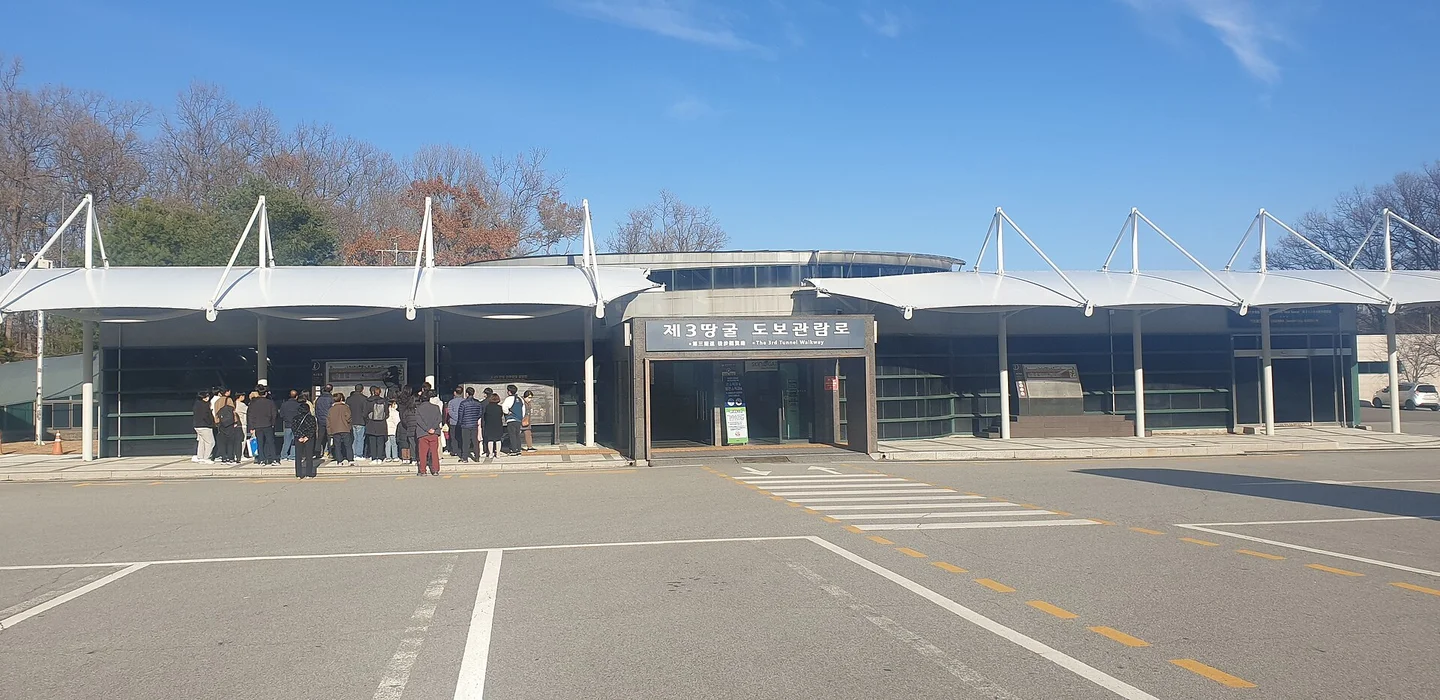
Discovered in 1978, the Third Tunnel is one of the infiltration tunnels excavated from North Korea toward the South. Its discovery followed information supplied by a North Korean defector. The city’s historical account explains the search and the evidence that finally revealed it. The visitor route covers a limited section; it is not a passage tourists can follow across the border. Allow time for the aboveground film and exhibits before going underground. Maps help distinguish the original tunnel from the access passage used by visitors, and explain why a seemingly small excavation became such a significant discovery. That context is particularly useful if military history is new to you.
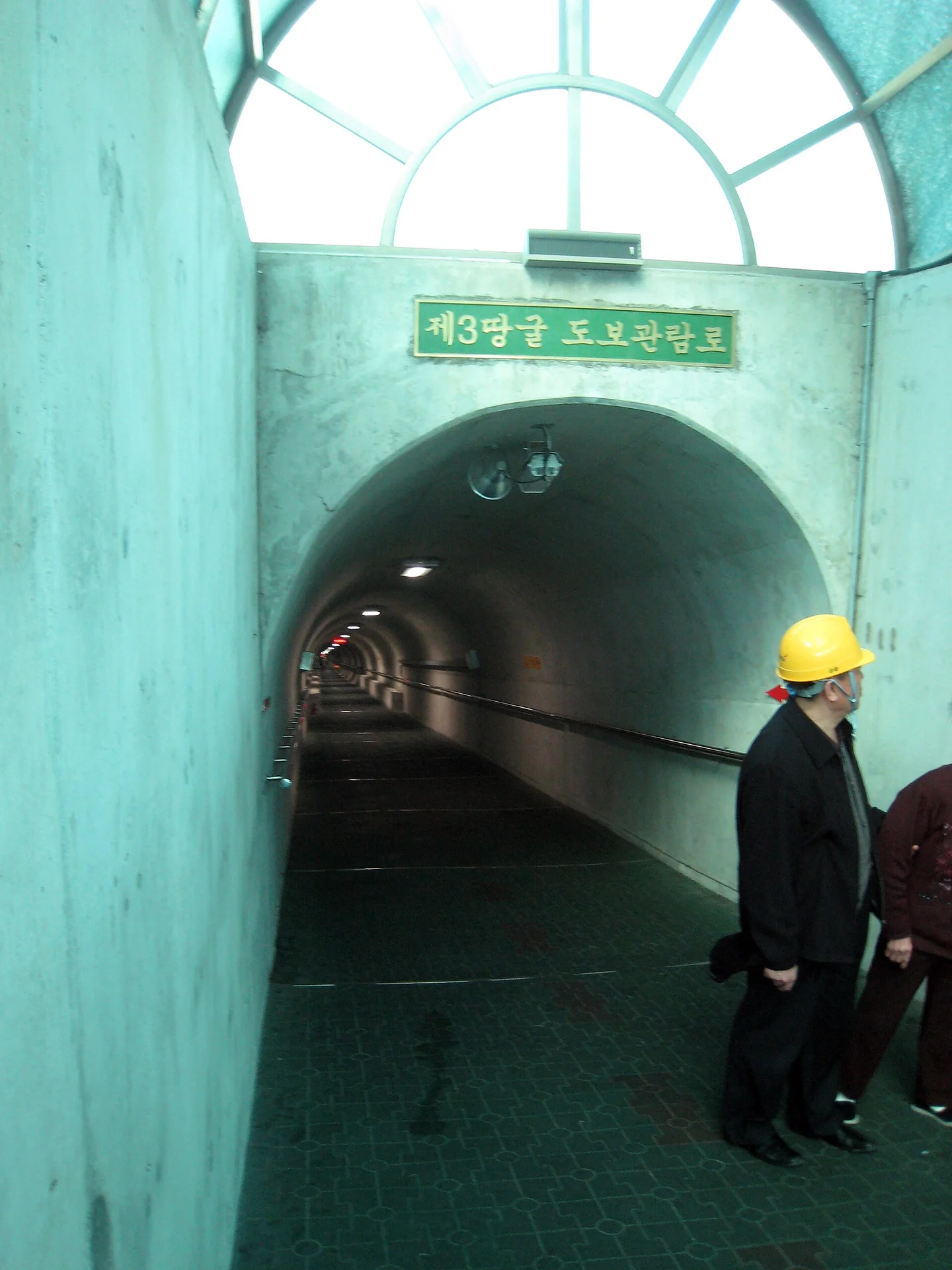
The walking approach descends along a substantial slope before reaching the narrow tunnel. The return climb is the more demanding part. Low ceilings mean taller visitors must stoop, and the confined space can be uncomfortable for anyone who dislikes enclosed passages. Follow the helmet and storage procedures at the entrance. Traveling with someone who cannot manage a steep climb? Ask the organizer about remaining in the surface exhibition area and where to meet the group afterward. A ride down, if offered for your departure, does not establish that the entire underground route is accessible. Resolve that choice before booking rather than relying on an old description of a monorail service.
Dora Observatory: understand the landscape first
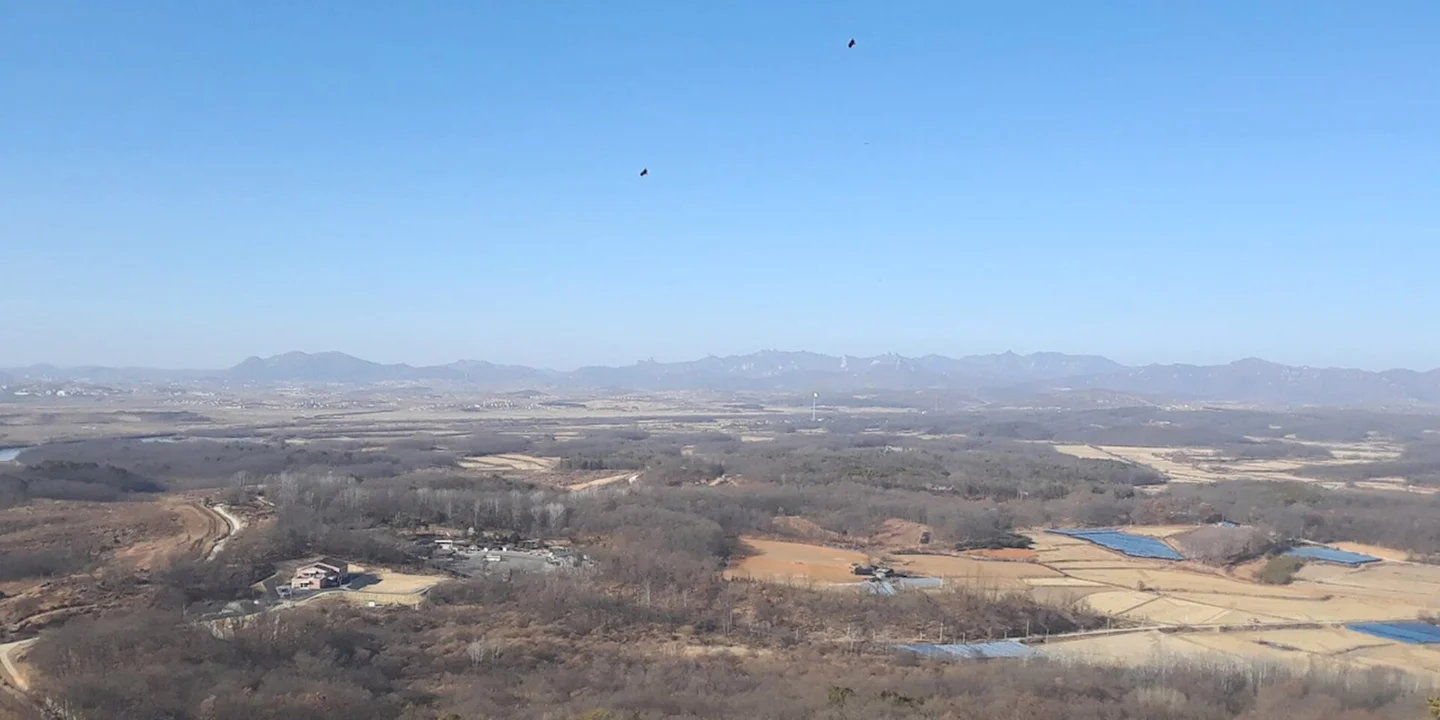
From Dora Observatory, the border region spreads out into fields, settlements, roads, and mountain ridges. Start with a map or your guide’s orientation. Learning where the villages sit and how the landscape connects makes the view much more informative than searching for an unexplained building through a telescope. Names that may come up include Daeseong-dong, Gijeong-dong, Kaesong, and Songaksan. Ask which features are visible that day and which side of the boundary they occupy. Haze, rain, and distance affect what can be distinguished, so a clear view of every landmark is never part of a dependable itinerary. The current observatory dates from 2018, when a new building opened near the original facility. Paju’s account of the relocation places it about 200 meters from the old observatory. Access to particular indoor or outdoor viewing areas follows the conditions in force on the day. On a hazy visit, the exhibits and geographic explanation become especially valuable. The tunnel shows how the frontier was challenged underground; the observatory shows the broader setting above it. You do not need to identify individual people in the distance for that connection to be meaningful.
Does a DMZ tour include Dorasan Station or the JSA?
Sanmosa · Original · CC BY-SA 4.0 ·
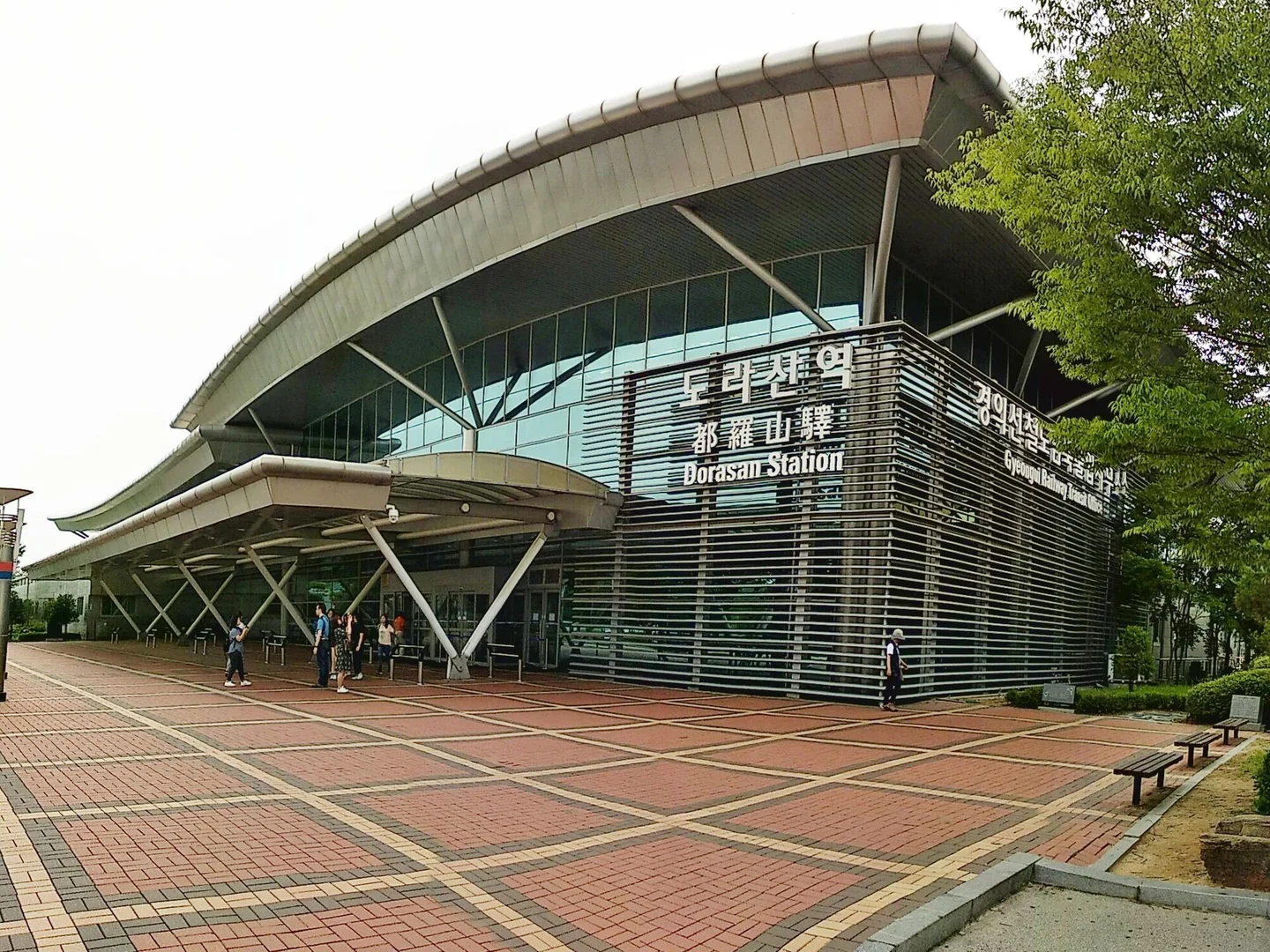
Only if the current itinerary explicitly says so. Dorasan Station, Dora Observatory, and Panmunjom’s Joint Security Area are separate places. The familiar blue conference buildings associated with the JSA are not an automatic part of a Third Tunnel excursion. Dorasan Station represents the possibility of a rail connection across the divided peninsula. It is not a normal Seoul subway stop where you can arrive and explore whenever you choose. Rail service and visitor access have their own arrangements. If the station is your main interest, select a program that names it as an actual stop and confirms access for your date. Apply the same test to a JSA visit: read the destination list, eligibility requirements, and current booking arrangements. A product simply labeled “DMZ tour” does not answer those questions. Optional stops such as Tongilchon also vary between programs; compare the route offered now rather than building your expectations around another traveler’s past schedule.
Back at Imjingak
Daugilas · Original · CC BY-SA 3.0 ·
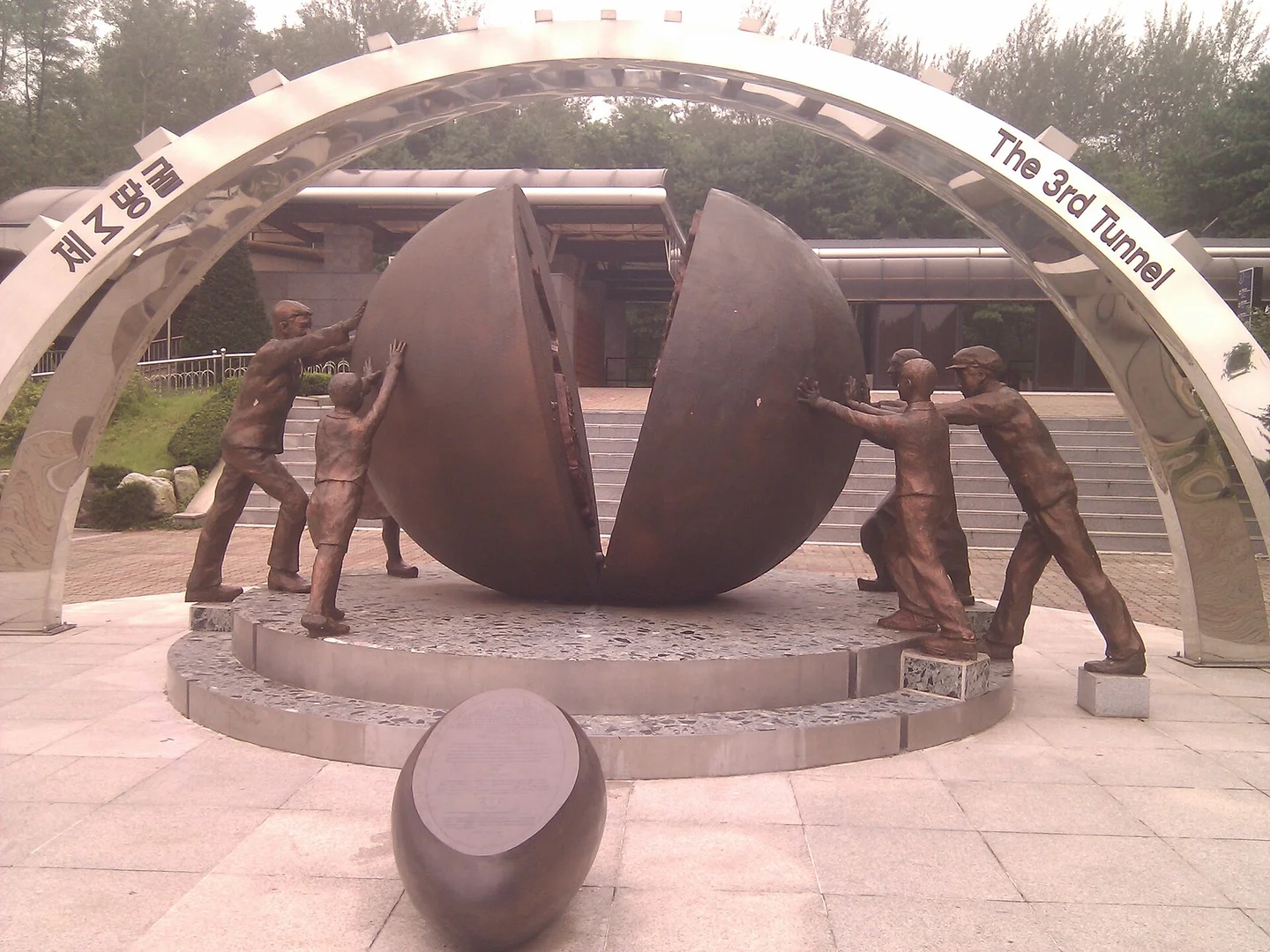
The divided-globe sculpture near the Third Tunnel adds another strand to the visit: the hope of bringing separated parts together. Similar themes appear at Imjingak, where family remembrance and the interrupted railway give the history a more personal dimension. After returning, choose one manageable extension. Mangbaedan and the preserved steam locomotive suit a short memorial walk; the grassy slopes of Pyeonghwa Nuri provide space to sit down after the tunnel climb. If your tour includes transportation back to Seoul, check whether this free time is part of its schedule before making separate plans. For independently traveling visitors, a meal at Imjingak followed by the connection back toward Munsan keeps the afternoon straightforward.