Nami Island from Seoul: Ferry Tickets, Tree-Lined Walks, and a Half-Day Route
Nami Island · Original · CC BY-SA 4.0 ·
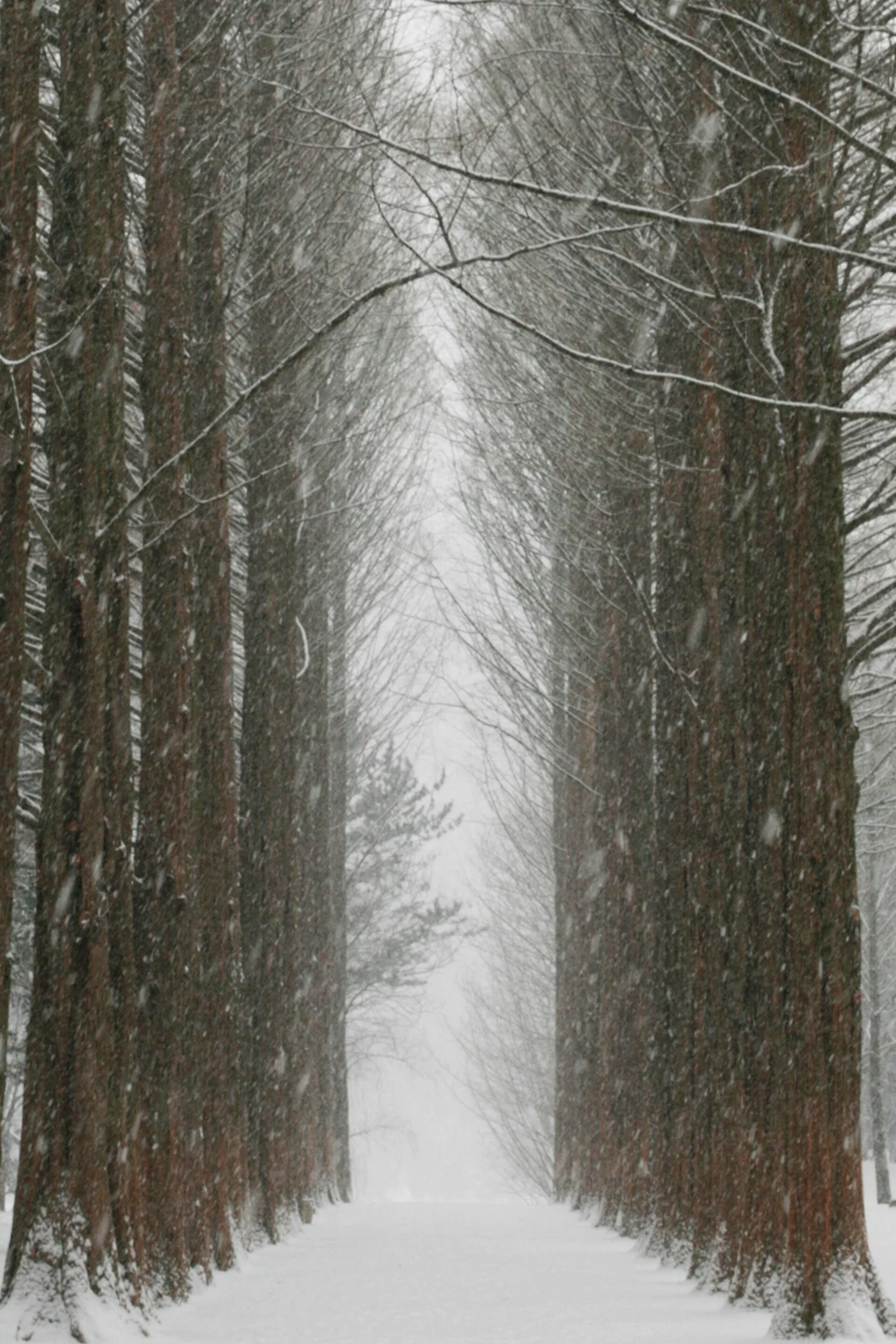
Nami Island’s most memorable feature is its sense of space: straight avenues of tall trees lead into open clearings, and the river is never far away. It is an easy place to build a day around walking, photography, and a long lunch. Fans of the drama Winter Sonata will recognize its appeal as a filming location, but the woodland paths work just as well without that connection. The island changes character through the seasons. Spring brings fresh foliage, summer fills the paths with shade, and fall adds warm colors along the water. Winter exposes the structure of the branches; snow can make the avenues striking, though it depends on the weather rather than the calendar. Allow at least half a day for the island and its ferry connections if you want time to linger. A packed multi-attraction excursion will give you less flexibility than an independent visit. Nami is particularly suited to travelers who enjoy a landscaped outdoor setting, small cultural spaces, and choosing their own walking pace.
Go to Gapyeong’s ferry terminal, not downtown Chuncheon
::::=UT=:::: · Original · CC BY-SA 3.0 ·
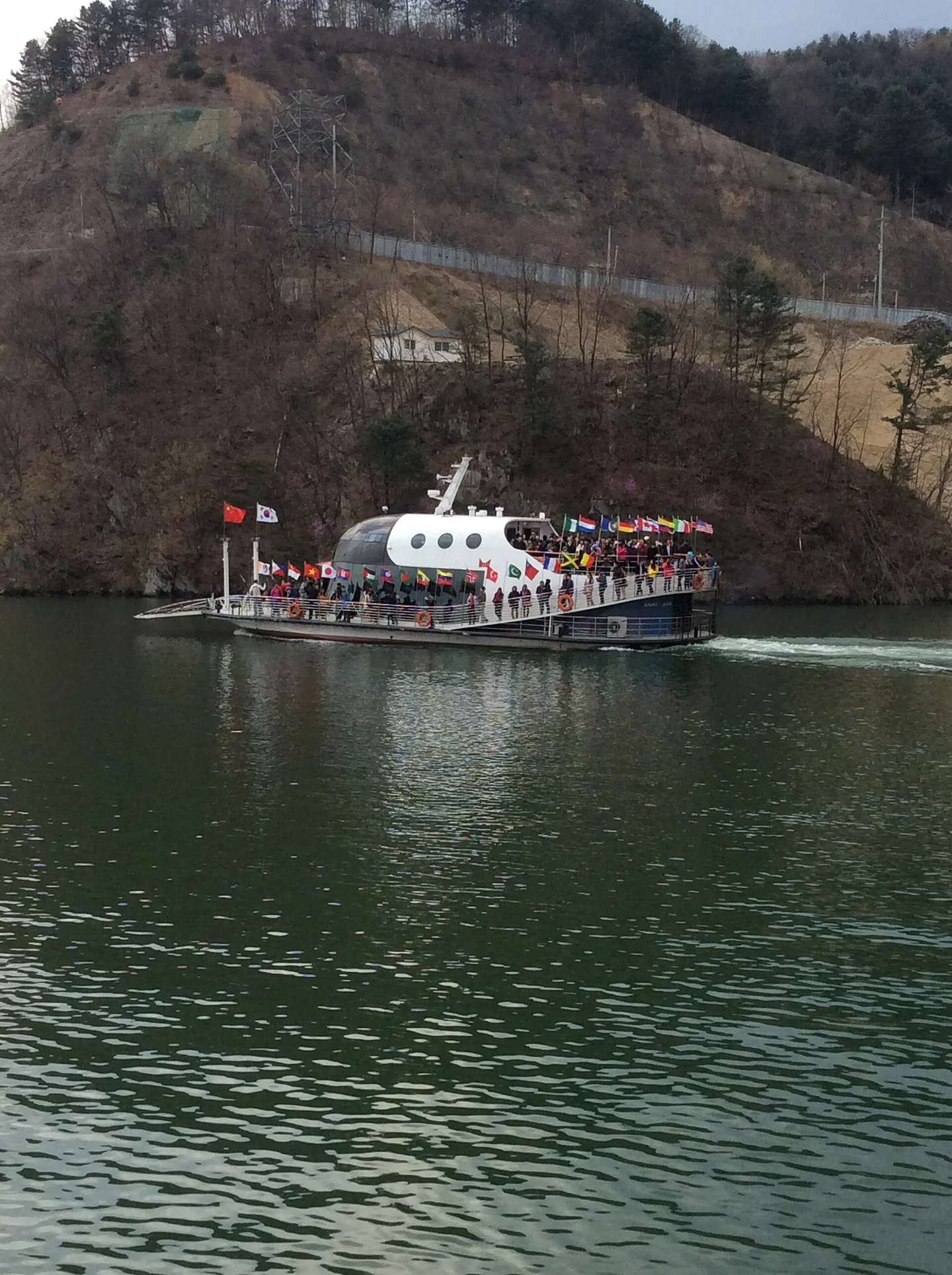
The island lies within Chuncheon, but the usual ferry departure is in Gapyeong. That distinction matters when booking transportation or entering a destination in a map. Search for the Nami Island ticket office or ferry terminal on the Gapyeong side. Gapyeong Station is served by the Gyeongchun Line and ITX-Cheongchun trains. Continue to the terminal by local bus or taxi; the station is not beside the boarding gate. The operator’s directions page also lists a reserved shuttle service from Seoul. Drivers park on the mainland and cross as passengers. The regular admission ticket includes the round-trip standard ferry. The official listing checked October 12, 2026, gives a general fare of ₩19,000; a motorboat arrival with standard-ferry return is a different, higher-priced option. Check the ticket categories when comparing packages, since island activities and transport from Seoul are not automatically included. The crossing itself takes only a few minutes. Ticketing and boarding queues add time, particularly when many visitors return together. Note the day’s return-ferry arrangements when you arrive and leave a buffer before a reserved train or shuttle departure. You will see “Naminara Republic,” “immigration,” and “passport” branding around the entrance. This is part of the island’s tourism identity, not an international border crossing. Its branded passport is a membership product, not a visa you need for an ordinary visit.
Follow an avenue inland, then return beside the river
Shinae Hyun · Original · CC BY-SA 4.0 ·
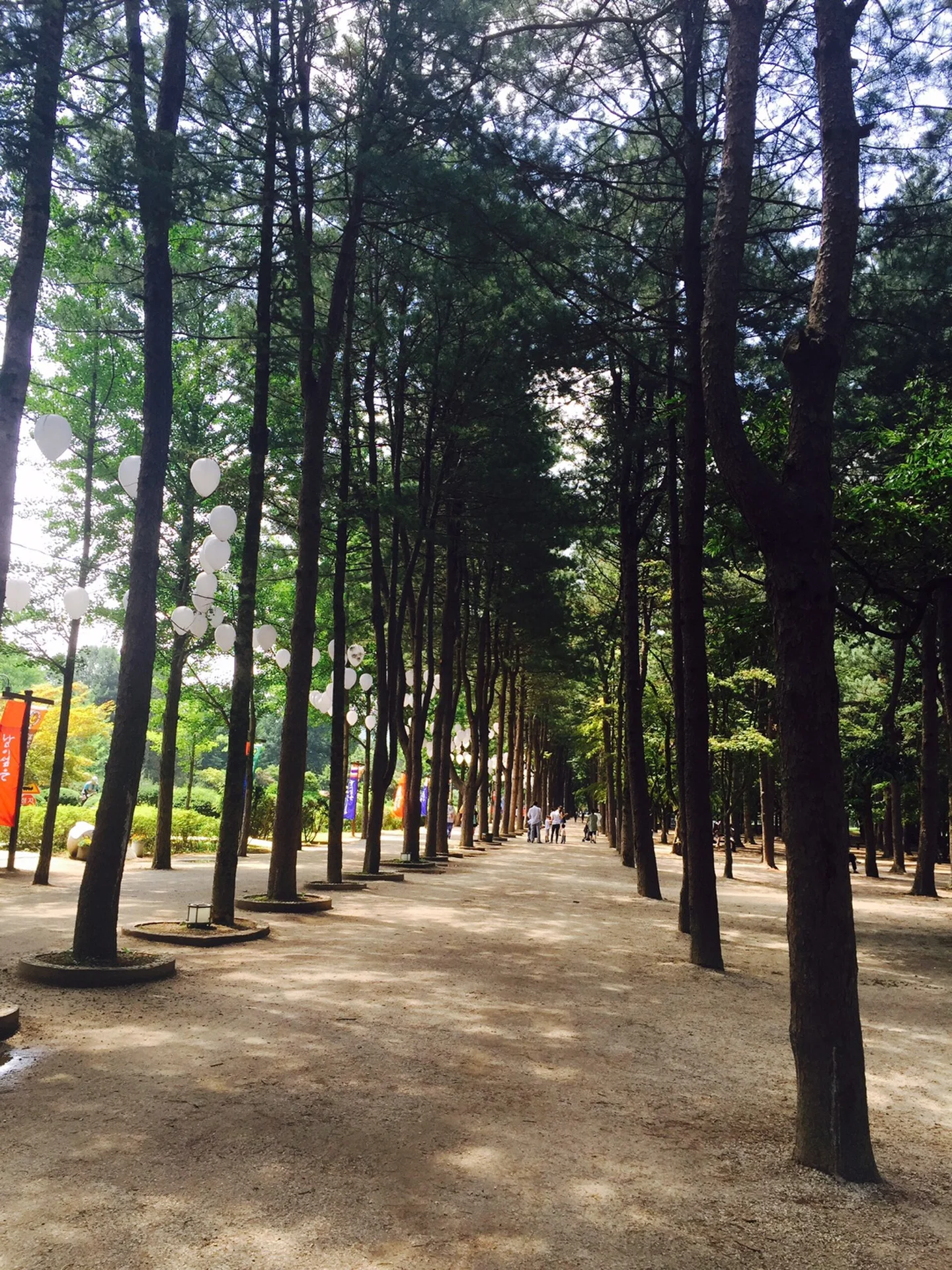
A simple first-visit route runs from the ferry landing toward the central area, continues to Metasequoia Lane, and returns along part of the riverside. Pick up or save a map so you can choose a shorter cross-island path if you decide against a longer loop. Central Korean Pine Tree Lane and Metasequoia Lane are different places. Following the signs makes it easier to compare the avenues instead of accidentally searching for one under the other’s name. The tall trunks and long perspectives are the main attraction, with the changing canopy giving each route its own feel.
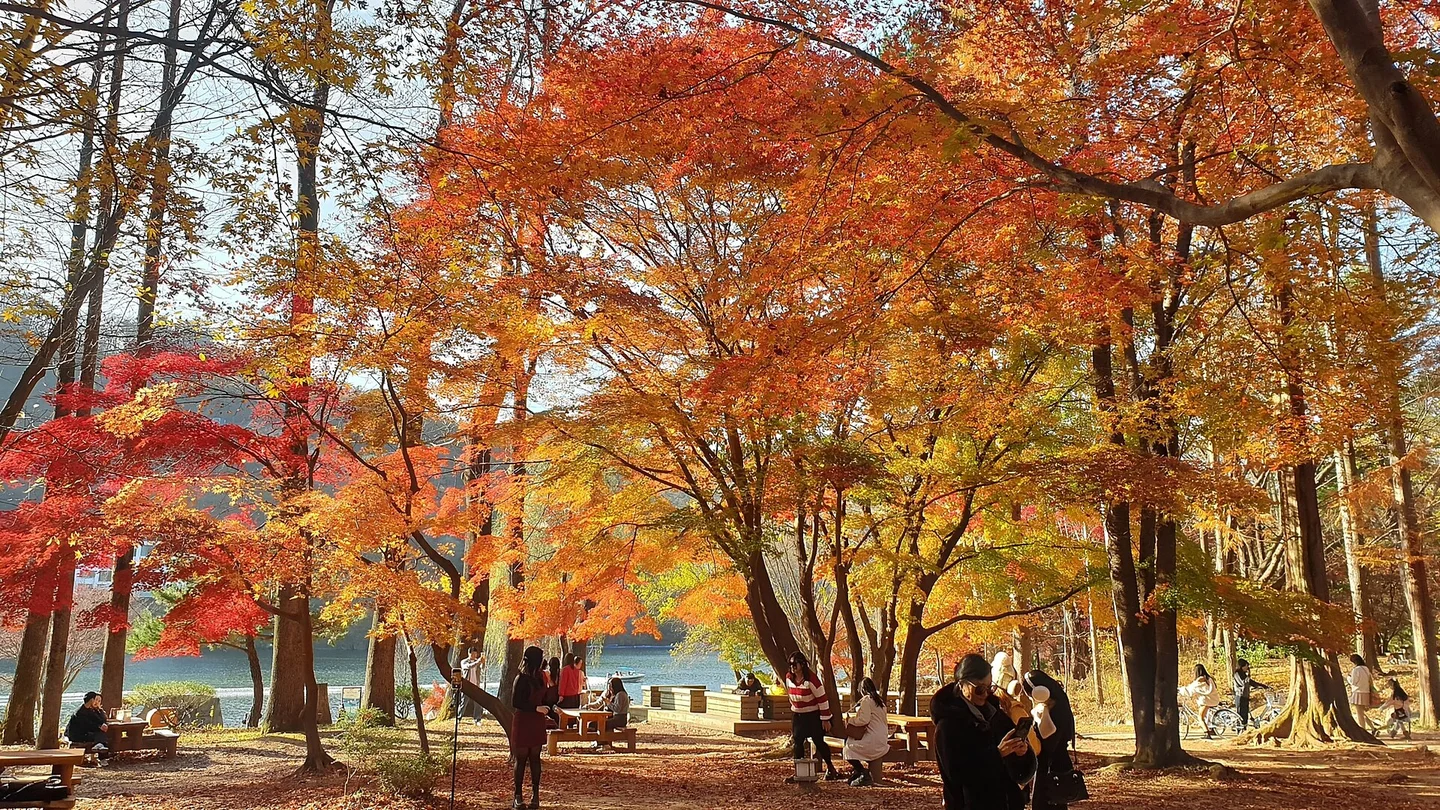
At the edge of the island, the view opens onto the Bukhangang River. This is a useful change of pace when the central paths are busy: benches, waterside clearings, and trees frame a wider landscape. You can enjoy a section of the shore without committing to the island’s full perimeter. For families, the easiest adjustment is to return through the center when someone needs a break. For photographers, alternating between an avenue and the water gives more variety than waiting at one crowded viewpoint. A morning arrival leaves more of the day available for that slower approach, though no time guarantees an empty lane.
Lunch, picture books, and a gallery break
The central area is a practical place to pause between walks. Choose a specific café, restaurant, or sign as a meeting point if your group separates; several paths converge here, so “near the square” can be vague. Children can take a break from walking at the UNICEF Lounge’s International Children’s Library or the Picture Book Lounge. Books from different countries make the library interesting even when you cannot read every language. The official cultural guide also lists galleries, including Pyeonghwarang and spaces devoted to illustration and other arts. Select one that appeals to you rather than turning the indoor options into another checklist. You can eat on the island. Options include Korean meals, dakgalbi, Asian dishes, and pizza, alongside cafés and snacks. Dakgalbi is a chicken dish, commonly cooked with vegetables and a savory-spicy sauce; ask about the preparation and heat level at the restaurant you choose. If you need an allergy-aware or otherwise specific meal, confirm ingredients with that venue rather than assuming one policy applies across the island. An early walk followed by lunch works well for travelers focused on the tree avenues. With younger children, a shorter first circuit, food, and a picture-book break may leave more energy for the waterfront afterward.
Small gardens reward a slower route
Rpipes3002 · Original · CC BY-SA 3.0 ·
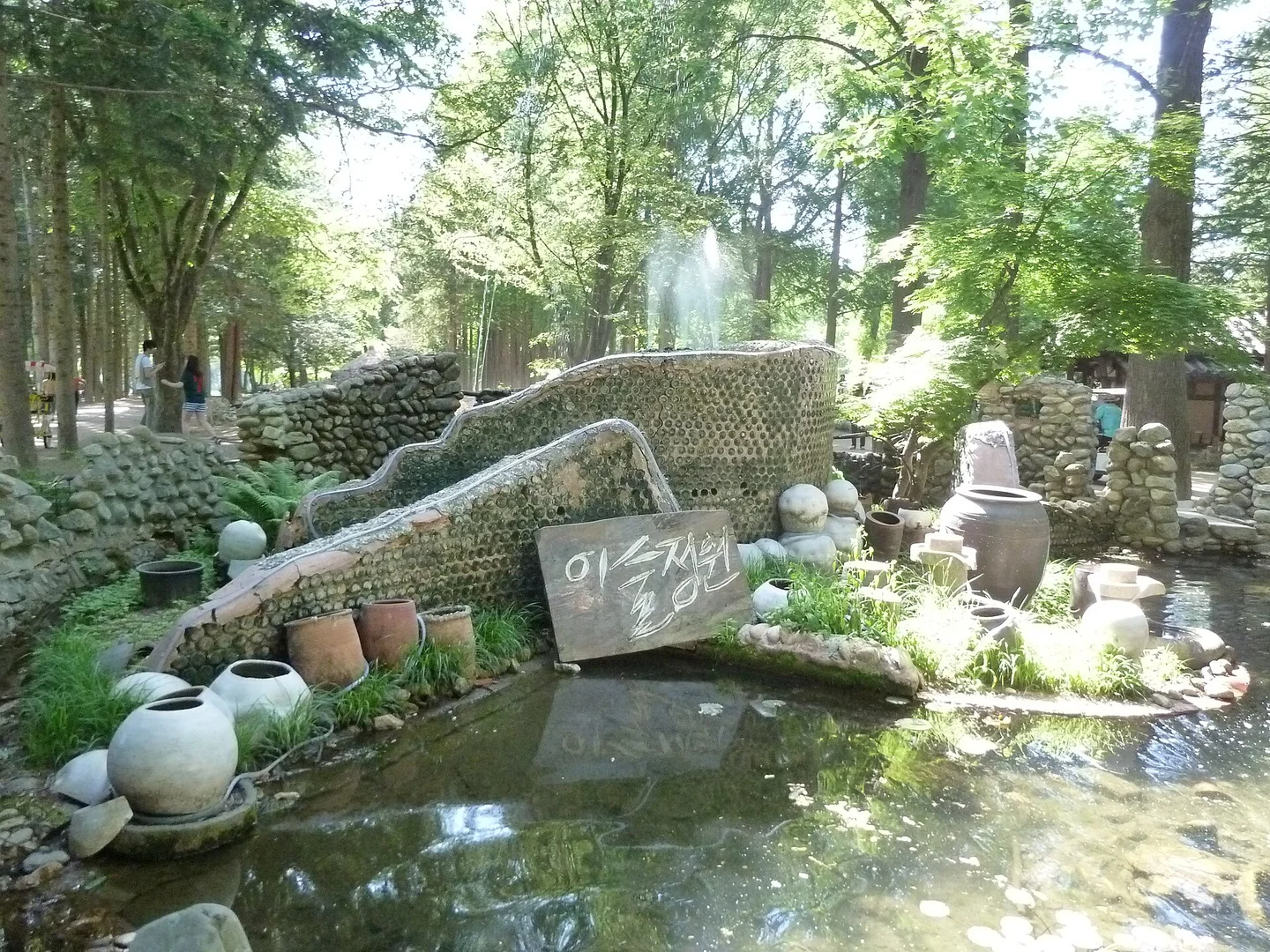
Between the larger avenues are smaller gardens and playful arrangements of stone, jars, and sculpture. Iseul Garden is one example of the island’s interest in giving everyday materials a new setting. These spaces reward a little wandering between major landmarks, especially if you enjoy details as much as grand rows of trees. Use the current map and on-site signs to find named gardens. Displays can change, so treat the smaller installations as discoveries along the walk. A pond, curved wall, or group of ceramic vessels can be a satisfying stop without requiring a separate detour across the island. You may also see peacocks, squirrels, or other animals moving around the grounds. Watch without feeding or chasing them. With children, allowing time to stop and observe can be more engaging than hurrying straight to the next planned attraction.
Strollers, rentals, and bringing a dog
Stroller and wheelchair users should plan around the surfaces as well as distance. Main visitor routes connect key facilities, but some woodland paths have dirt, roots, or uneven patches. Ask staff about boarding assistance at the ferry and consult the island’s convenience facilities if you need rental equipment. Availability is worth confirming before you depend on it. The operator asks visitors to use island rental facilities rather than bring personal bicycles or scooters aboard the ferry. Drones are not permitted. These restrictions are listed in the entry guidance; they are useful to check before arriving with equipment. For an ordinary pet visit, the current policy checked October 12, 2026, allows leashed dogs under 20 kilograms, with specified breed restrictions and separate provisions for identified assistance dogs. Island admission, the dog park, indoor dining areas, and overnight accommodation have different conditions. Read the pet policy for the facilities you intend to use. If you are pairing Nami with the Garden of Morning Calm or another Gapyeong attraction, add the mainland transfer after the ferry. They are separate destinations, not adjoining walks. For a first visit, leaving enough time for the island’s main avenue, a riverside section, and one relaxed meal makes the transport effort worthwhile.