Imjingak, Paju: War Memorials, Open Parkland, and the Peace Gondola
Rbtjd0201 ( talk / Contributions ) at the Korean Wikipedia · Original · Public domain ·
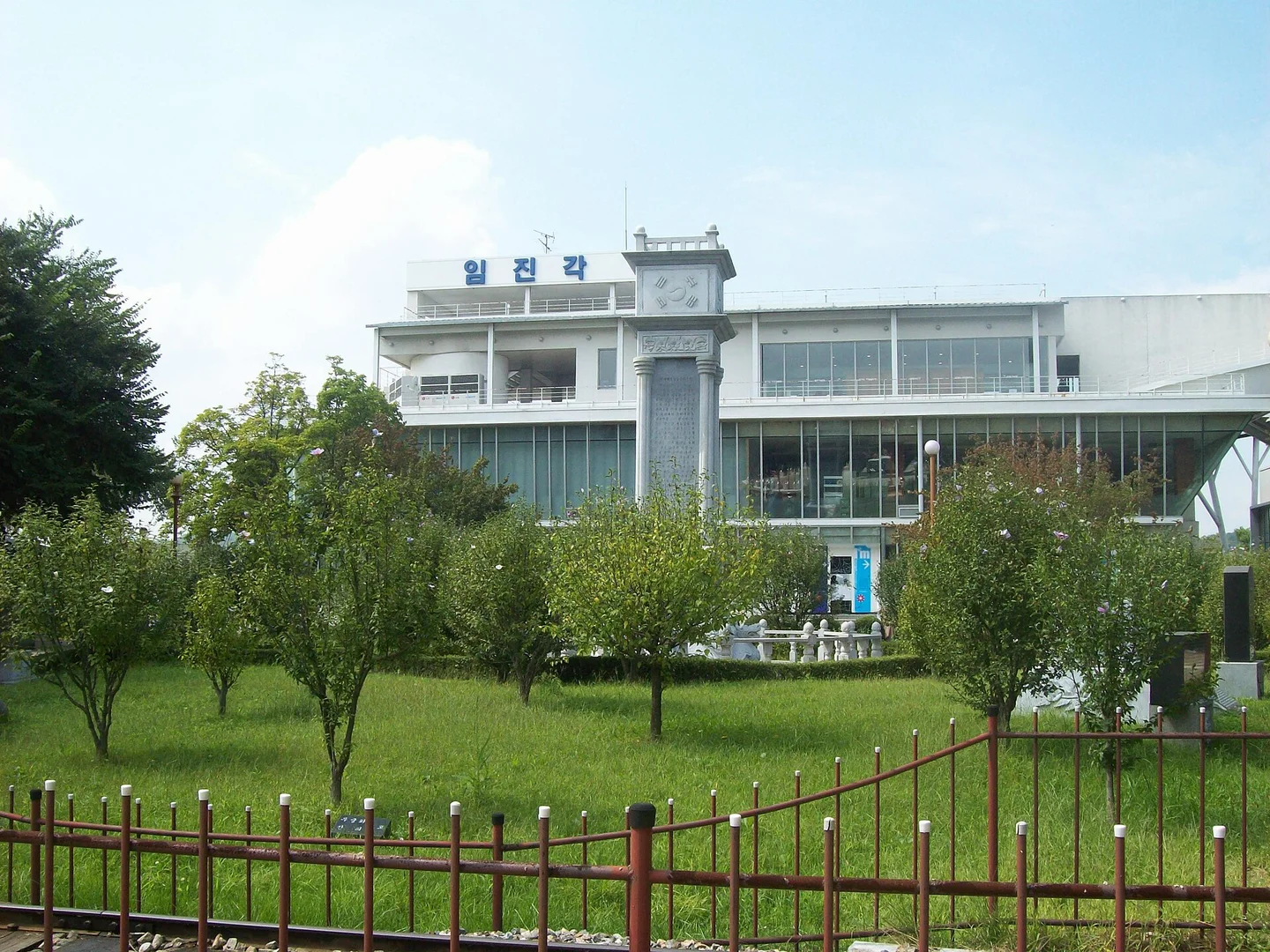
At Imjingak, the Korean War's legacy is encountered through ordinary things that can no longer serve their original purpose: a damaged locomotive, a severed transport route, and a place where families face a hometown they cannot visit. Nearby, Pyeonghwa Nuri's broad lawns and turning pinwheels invite a much lighter afternoon outdoors. Give yourself time for both parts of the landscape. The first planning distinction is important. An independent visit to Imjingak and Pyeonghwa Nuri, a ride on the Peace Gondola, and a DMZ tour to sites such as the Third Tunnel are separate experiences. You can explore the general outdoor visitor area without booking a DMZ tour. Paid facilities and controlled-area excursions have their own admission procedures. For a first visit, allow roughly two to three hours for the memorials and park, longer if you add an exhibition or the gondola. Begin around the Imjingak building, continue to Mangbaedan and the preserved locomotive, then move into Pyeonghwa Nuri. That order provides historical context before the open space and sculptures.
Getting to Imjingak Independently
Munsan Station on the Gyeongui–Jungang Line is a useful transit base, with an onward bus or taxi journey. The National Memorial's directions identify bus 058 toward Imjingak. Check the destination shown on the bus and the current return options, since this last leg is not a frequent central-Seoul subway connection. Rail service toward Imjingang Station is another possibility when the timetable suits. Confirm both the outward connection at Munsan and the return before choosing it. A nearby station on a map is not enough to establish a convenient service for the hour you want to leave. Driving gives you more flexibility to add another Paju destination, but the main sights here are explored on foot from the visitor parking area. If you have booked a tour or gondola product, locate its own ticket office or meeting point rather than assuming every queue serves the same excursion. Heyri and Paju Book City are separate onward trips, not extensions of a walk through Imjingak. For a car-free day, spending longer here can be easier than adding several distant Paju stops. Set your return connection before settling down on the lawns.
Mangbaedan Makes the History Personal
Lance Vanlewen · Original · CC BY-SA 4.0 ·
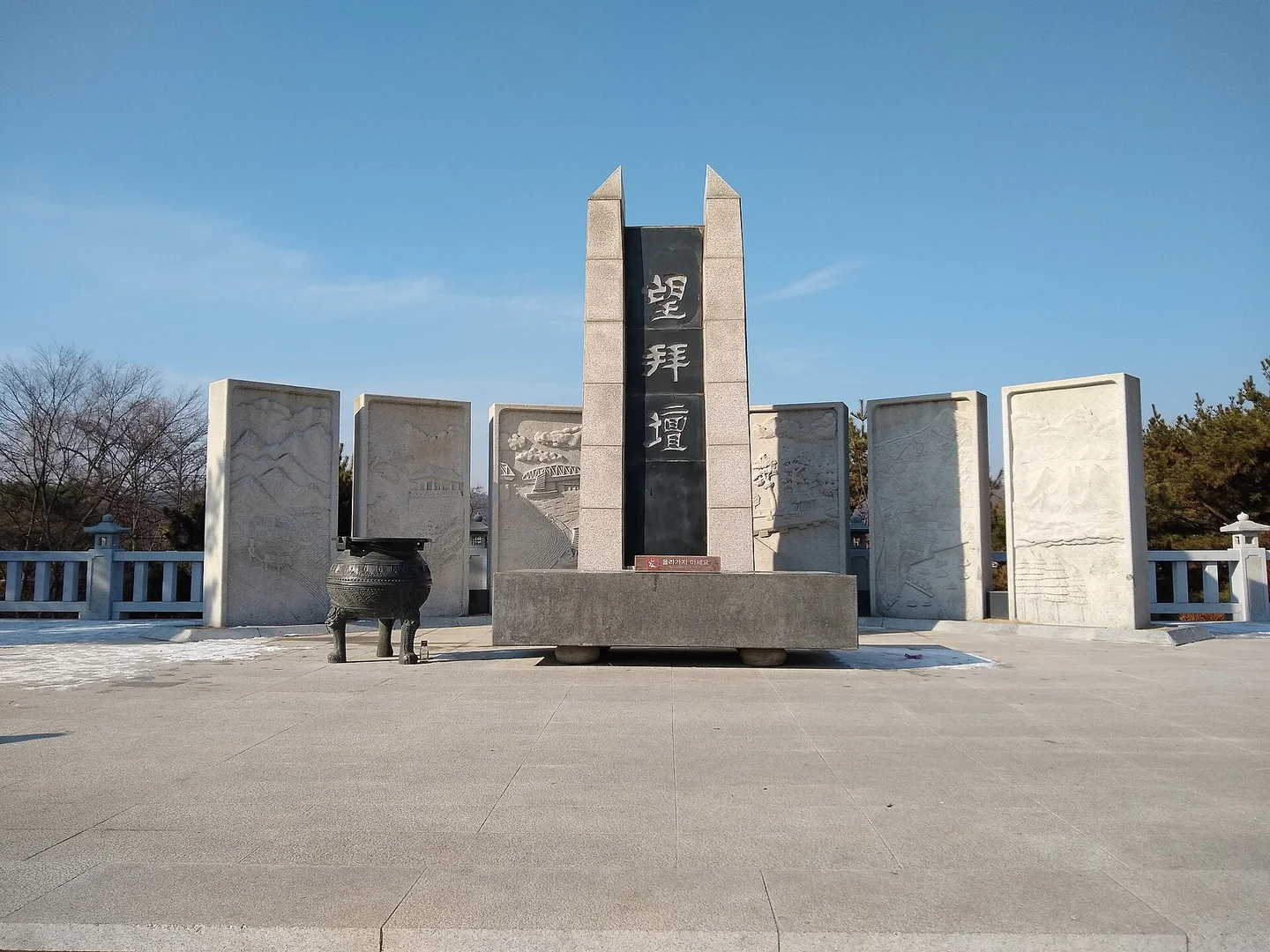
Mangbaedan is an altar where people displaced from homes in the North can honor relatives and ancestors. Its purpose helps explain why Imjingak is more than a place to look toward the border. The division of the peninsula separated families, interrupted ordinary journeys, and left people unable to return to familiar places. Behind this area, Freedom Bridge is associated with the return of prisoners of war in 1953. It should be understood alongside the neighboring railway structures, each with its own history, rather than as a bridge visitors can simply cross into North Korea. The Paju City visitor guide explains the different memorials and surviving structures.
Lance Vanlewen · Original · CC BY-SA 4.0 ·
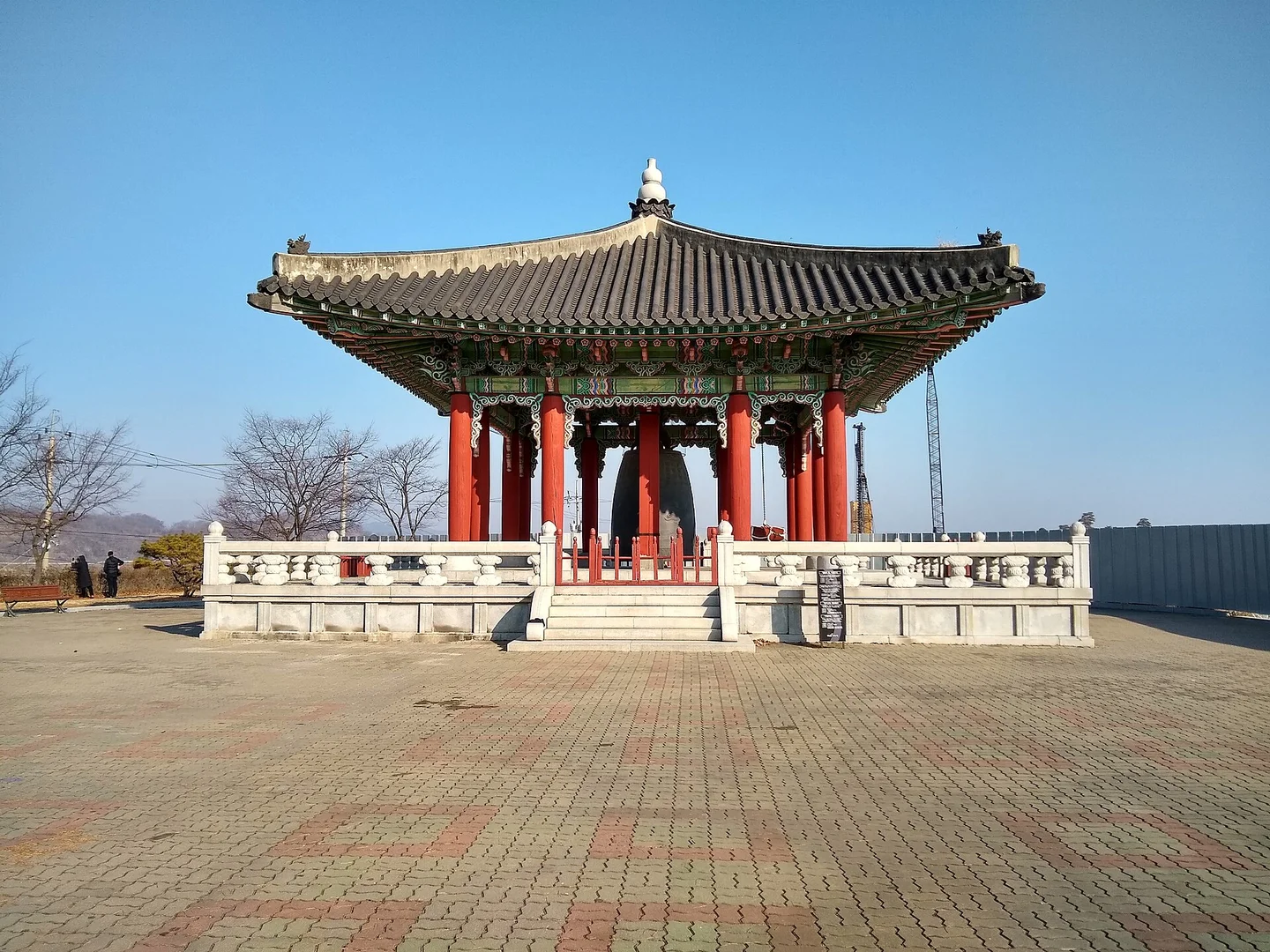
The Peace Bell and its pavilion express hopes for peace and reunification. The large bell, red columns, and decorated roof provide a clear architectural stop between the other memorials. Bell-ringing is a separately managed activity when offered; you can include the pavilion in an exterior walk without planning a ceremony around it. Read a few interpretation panels closely rather than rushing to collect every monument name. If people are holding a remembrance or family observance, give them space. For visitors unfamiliar with Korean history, the purpose of Mangbaedan is a useful starting point: this is a place made for people to maintain a connection with family and home across a closed divide.
Spend Time with the Jangdan Station Locomotive
U.S. Army photo by Stanley James · Original · Public domain ·
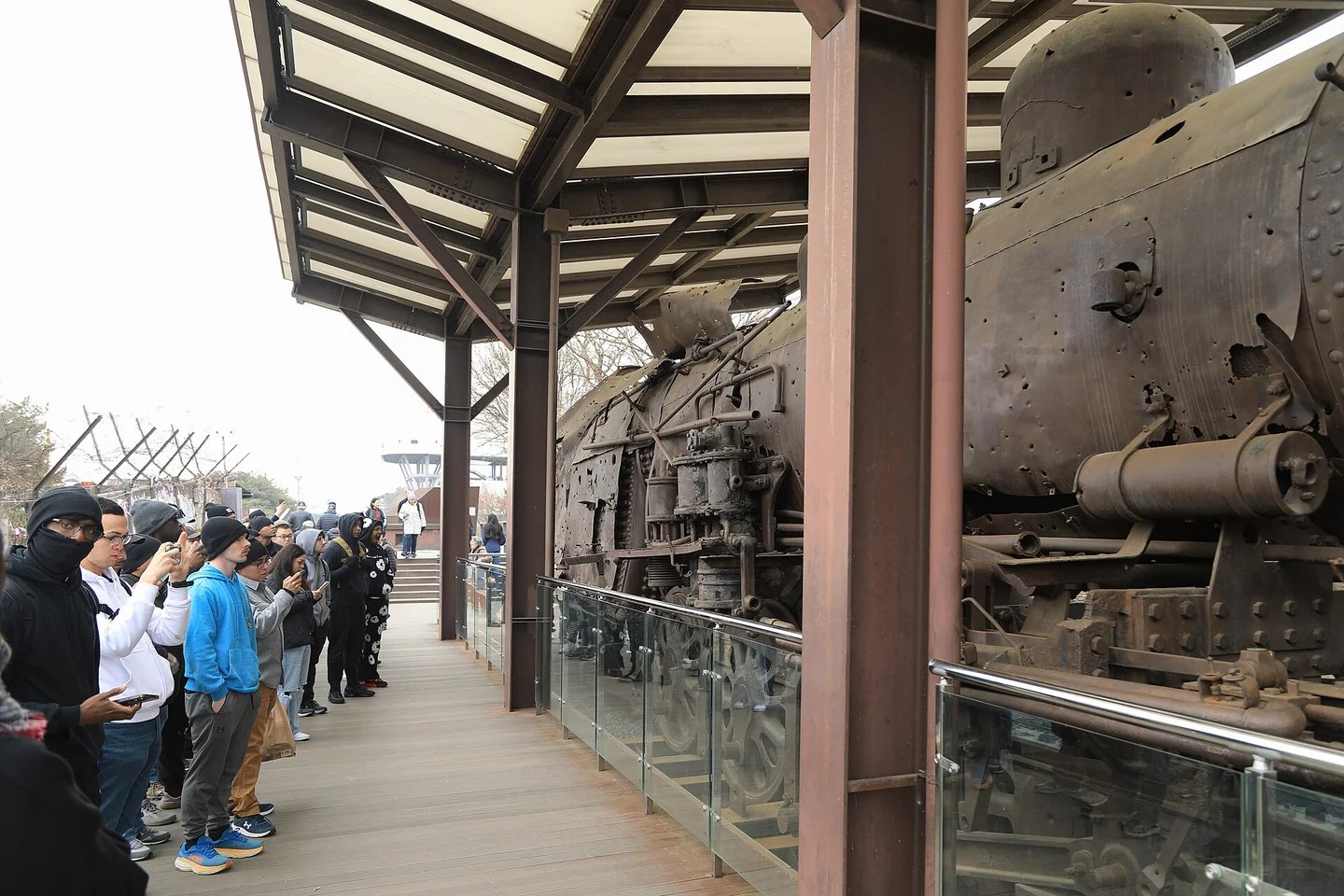
The preserved steam locomotive from Jangdan Station on the Gyeongui Line is one of Imjingak's most direct historical objects. Damaged and derailed during the Korean War, it remained in the DMZ for decades before conservation and relocation to its present display. Its scarred body and distorted parts retain the physical consequences of the conflict. Follow the interpretation alongside the engine to distinguish wartime damage from later deterioration. It is a preserved artifact, not a working train attraction. With children, begin with the idea of a railway connecting people and places, then consider what happens when that route is interrupted. The object provides a concrete way into a history that can otherwise feel remote or overly complicated. For more on civilians' experiences, consider the nearby National Memorial for Abductees during the Korean War. As checked October 12, 2026, its official visitor information lists free admission, with hours of 9:30 a.m.–5:30 p.m. from March through October and 10 a.m.–5 p.m. from November through February; last admission is 30 minutes before closing. Mondays and additional specified holidays are closed, so check the calendar if this exhibition is a priority. Visit the indoor memorial before a long park break when arriving late in the day. The outdoor sights and the museum do not share one closing schedule, and the latter deserves time for reading rather than a rushed stop at the end.
Pyeonghwa Nuri Opens Out into Lawns and Sky
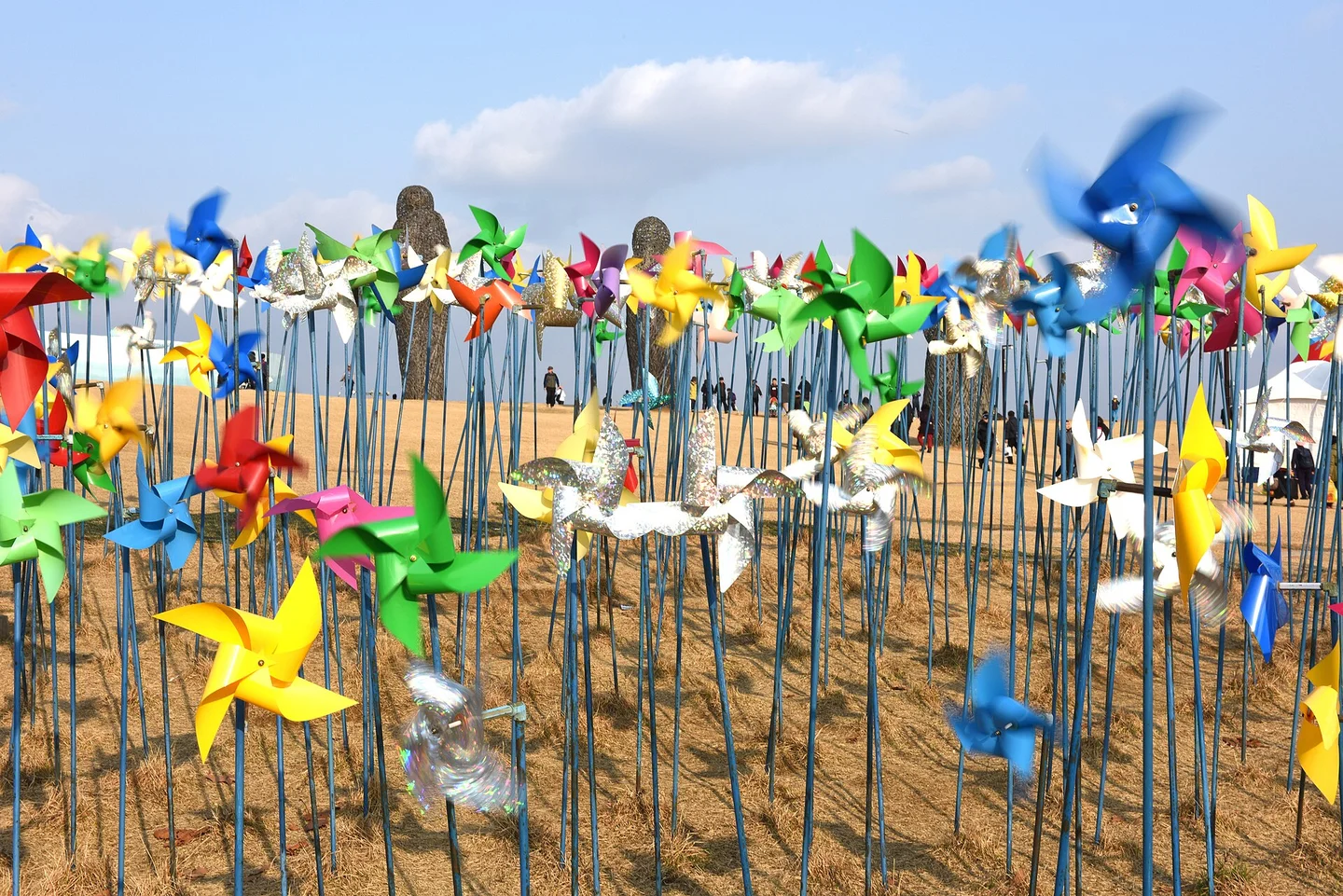
The park changes the scale of the visit. Instead of examining a single historic object, you look across a broad hillside, follow moving pinwheels, and pick out large human-shaped sculptures against the sky. The open setting gives you space to walk, sit, and let the earlier memorials settle into context. A short route around the pinwheel area is enough for a relaxed visit. A wider circuit suits anyone who wants more time outdoors, but there is no need to cover every corner before taking a break. Choose a clear landmark for meeting up if members of the group separate to explore. Use the paths through the art installations and follow the current lawn-use signs when choosing a picnic spot. Large grassy areas may also serve events, and tent or cooking permissions are not implied by the space being open. On an ordinary visit, a walk followed by a seated break fits naturally between the historical area and the return journey.
Is the Peace Gondola Worth Adding?
KSH1015 · Original · CC BY-SA 3.0 ·
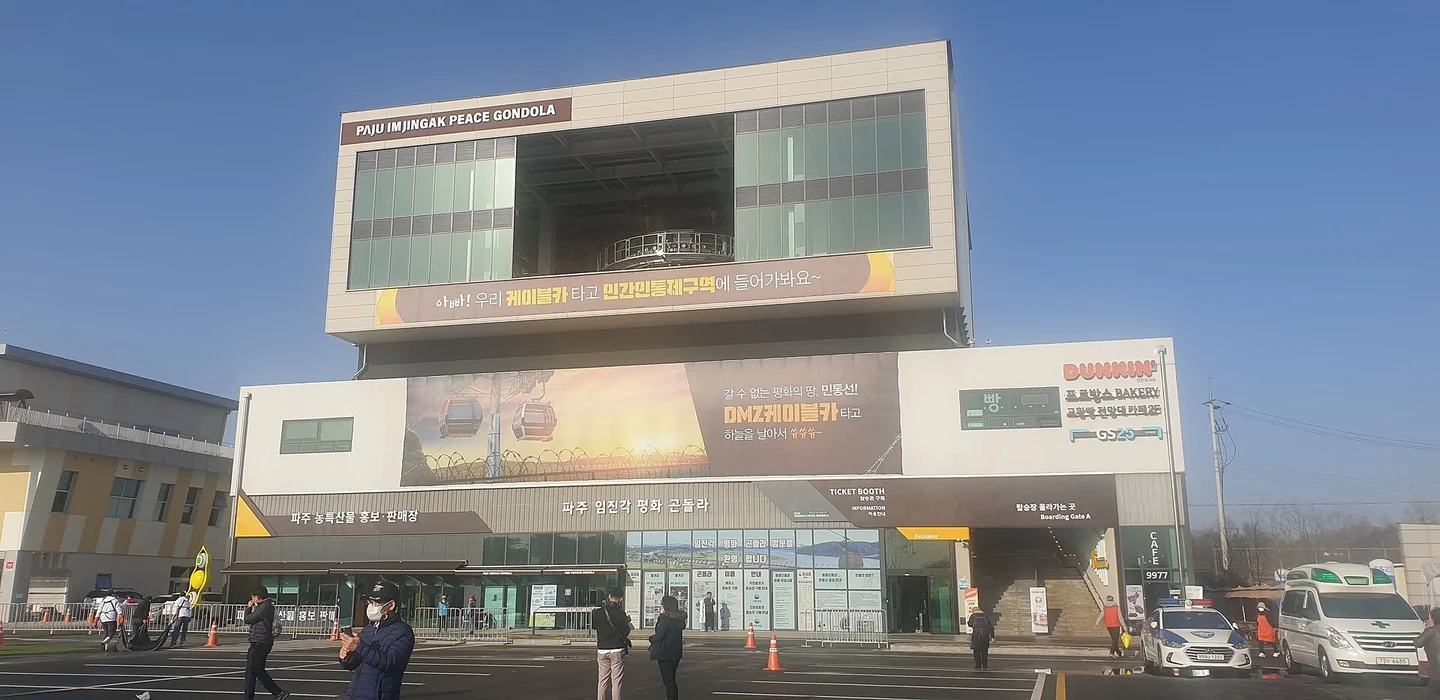
The gondola adds a view across the Imjin River and access to a designated visitor area beyond the Civilian Control Line. This remains within South Korea; it is not transport into North Korea. The operator's introduction describes the far-side visitor route and river viewpoint. Add it when you want that change of perspective and have time for ticketing, queues, and a look around beyond the ride itself. As checked October 12, 2026, the operator's FAQ lists identity checks and a security undertaking. Bring your identification, such as a passport or foreign resident registration card, and confirm your group's requirements. The FAQ's ticket-purchase provisions should not be treated as the document rules for a separate DMZ tour. Strollers and manual or powered wheelchairs use standard cabins rather than glass-floor cabins. Pets are excluded; the boarding rules specify an exception for assistance dogs. In the controlled area, follow the designated route and photography restrictions: border fencing, guard posts, and surveillance equipment must not be photographed or shared on social media. Check the final return crossing before exploring the far side. If the gondola is unavailable because of weather or operational restrictions, the memorials and Pyeonghwa Nuri still provide a complete independent visit. If you specifically want the Third Tunnel or Dora Observatory, arrange the appropriate DMZ excursion separately and let its check-in time determine the rest of your day.