Oido: Seafood, Sunset, and a Prehistoric Coast Near Seoul
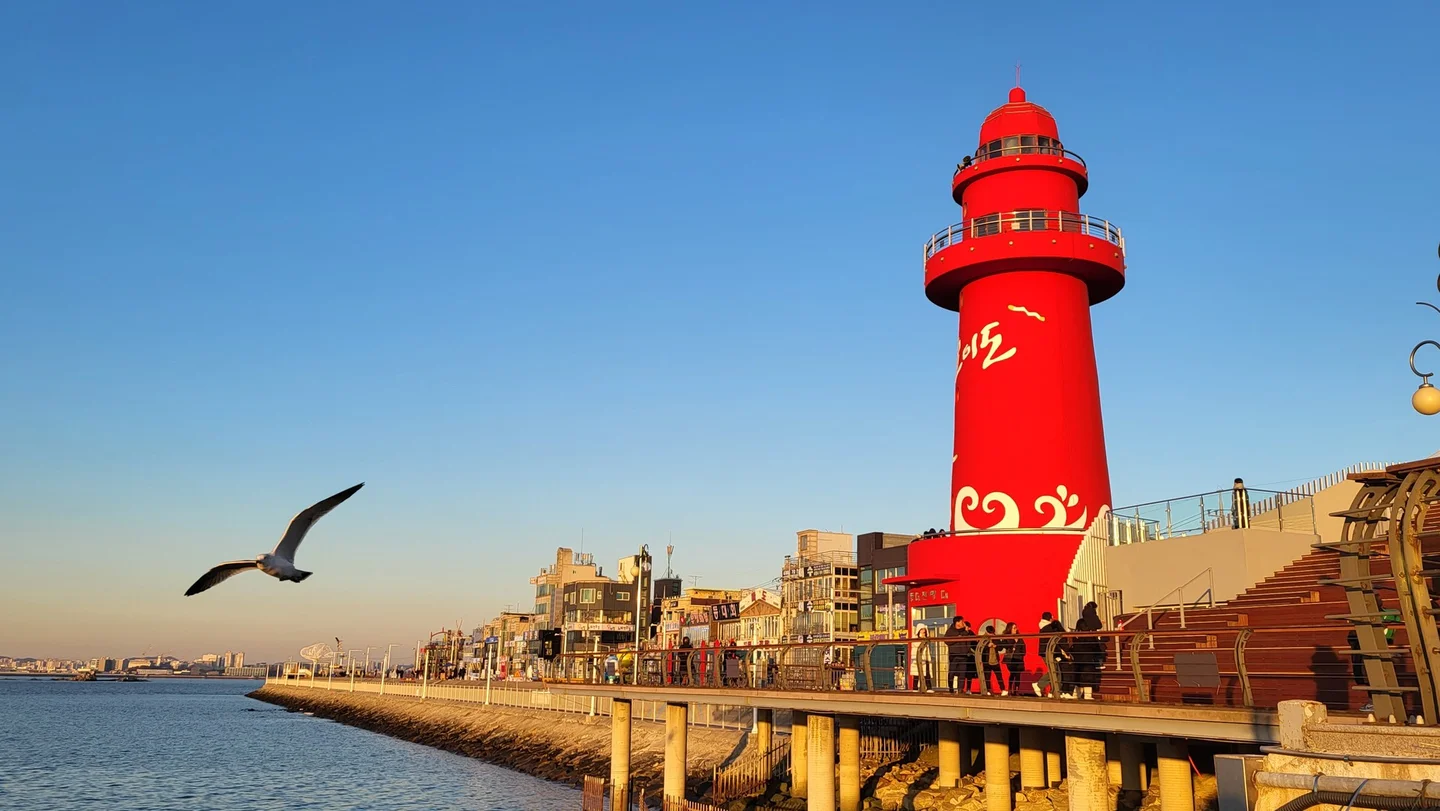
Oido is a seaside outing built around small pleasures: a red lighthouse above the seawall, fishing boats below the market stalls, and a bowl of clam noodles before sunset. The surprise is how far the story goes back. Behind this restaurant-lined waterfront, an archaeological park and museum explore the people who gathered shellfish, fished, and made homes along Korea’s west coast thousands of years ago. For a relaxed half-day, concentrate on the lighthouse, harbor, and a seafood meal. Add the museum and prehistoric park if you want a fuller day with something beyond the waterfront. They make Oido particularly useful for a mixed-interest group: one person gets archaeology, another gets an open sea view, and everyone has somewhere to stop for dinner. Despite its name, Oido no longer requires a boat trip. It was once an island, but salt-field development and later industrial reclamation connected it to the mainland. Today you arrive by road in Siheung, southwest of Seoul. Apartment towers and port infrastructure share the horizon with tidal flats. Come for an inhabited, working waterfront rather than a remote stretch of sand.
Getting from the Station to the Shore
Oido Station and Oido’s waterfront are separate destinations. Allow for a bus or taxi connection after the train; the lighthouse is not outside the station exit. Put your actual first stop into the route search: Oido Red Lighthouse, Oido Fish Market, or Siheung Oido Museum. Searching only for “Oido” can leave you planning around the wrong place. For a museum-first visit, the museum’s current directions list buses 30-2 and 99-3 from Oido Station to the Oido Museum stop, followed by a short walk. Check the departure board for the next service rather than assuming a frequent shuttle. A taxi can simplify the connection if you have a timed children’s activity booked. The museum and Oido Prehistoric Park also have different entrances, so use the facility named on the reservation. A practical full-day order is museum, a selected portion of the prehistoric park, then the lighthouse and restaurant waterfront. You can use a local ride between these areas instead of turning every connection into a walk. For a late-afternoon arrival, go straight to the coast and leave the indoor exhibits for another visit. The museum’s closing time and the day’s sunset are the two useful anchors when deciding how much to include.
Boats, Mudflats, and the Seawall Walk
HaEunKim · Original · CC BY-SA 4.0 ·
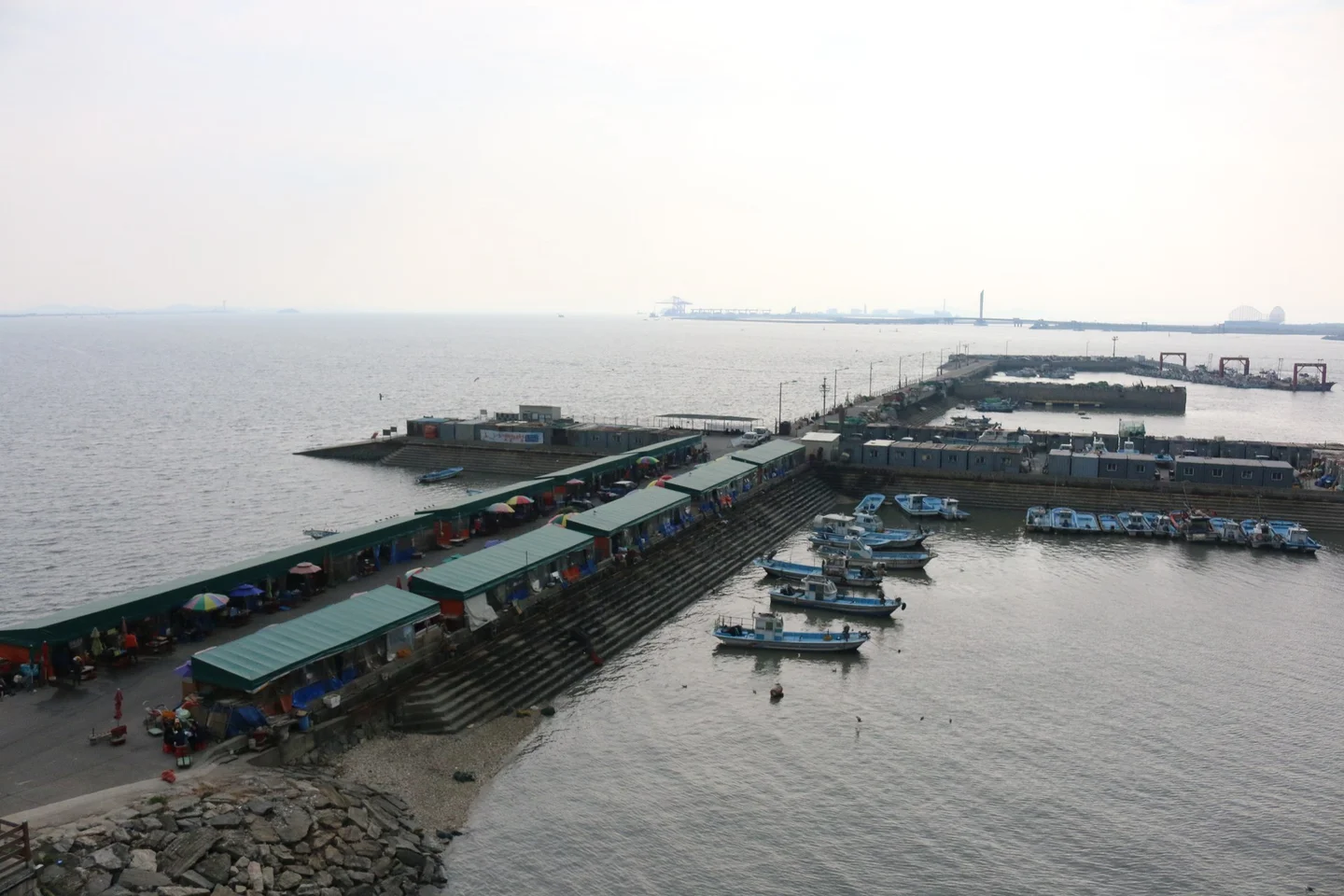
The harbor gives Oido its everyday character. Small fishing boats gather beside stepped embankments, while stalls and seafood businesses occupy the landward edge. Follow the public upper walkway to take in the boats and market activity without needing to descend the harbor steps. The red lighthouse is the easiest meeting point if your group splits between the shops and the shore.
José Carioca · Original · CC BY-SA 4.0 ·
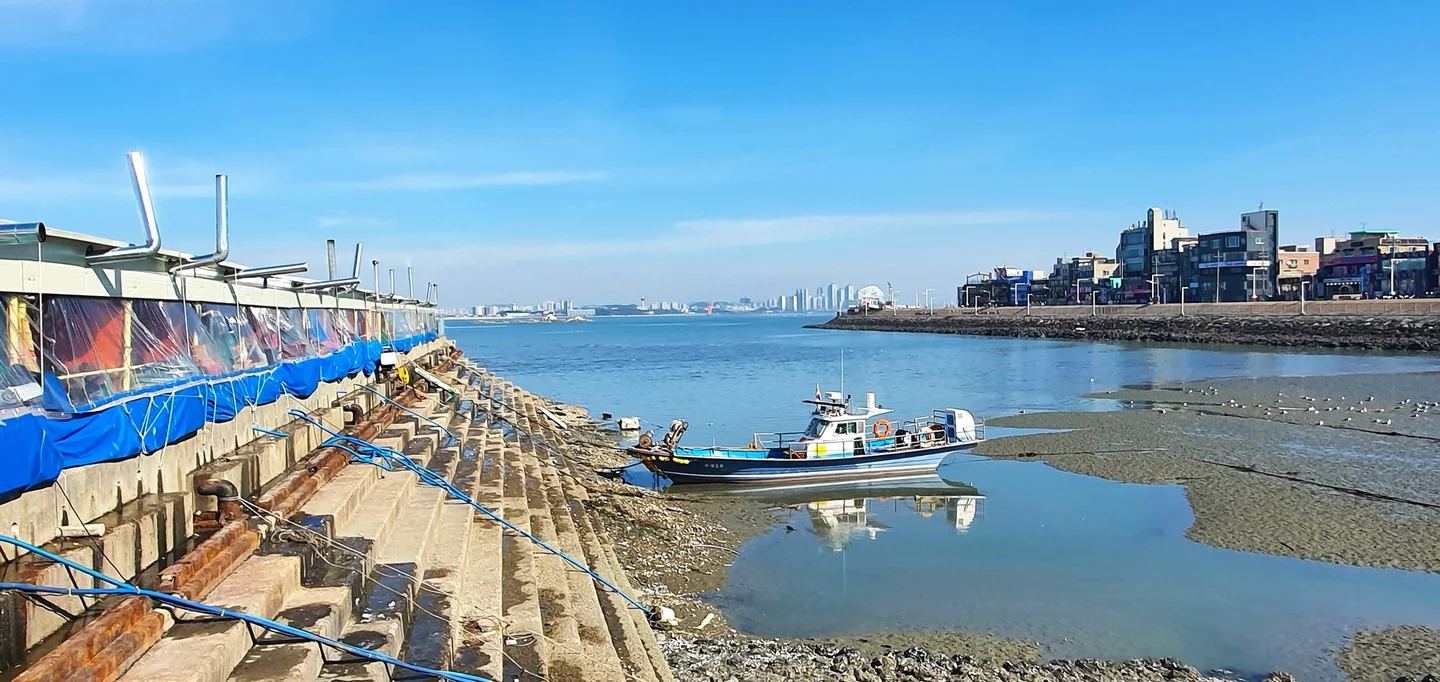
The tide changes the scene substantially. At high water, the harbor feels like an extension of the open sea; at low water, mudflats and winding channels appear around the moored boats. This is an interesting coast even when the water has retreated. The exposed mud is habitat, however, not an extension of the promenade. Anyone keen to collect shellfish or enter the flats should join a designated experience with its own tidal schedule.
HaEunKim · Original · CC BY-SA 4.0 ·
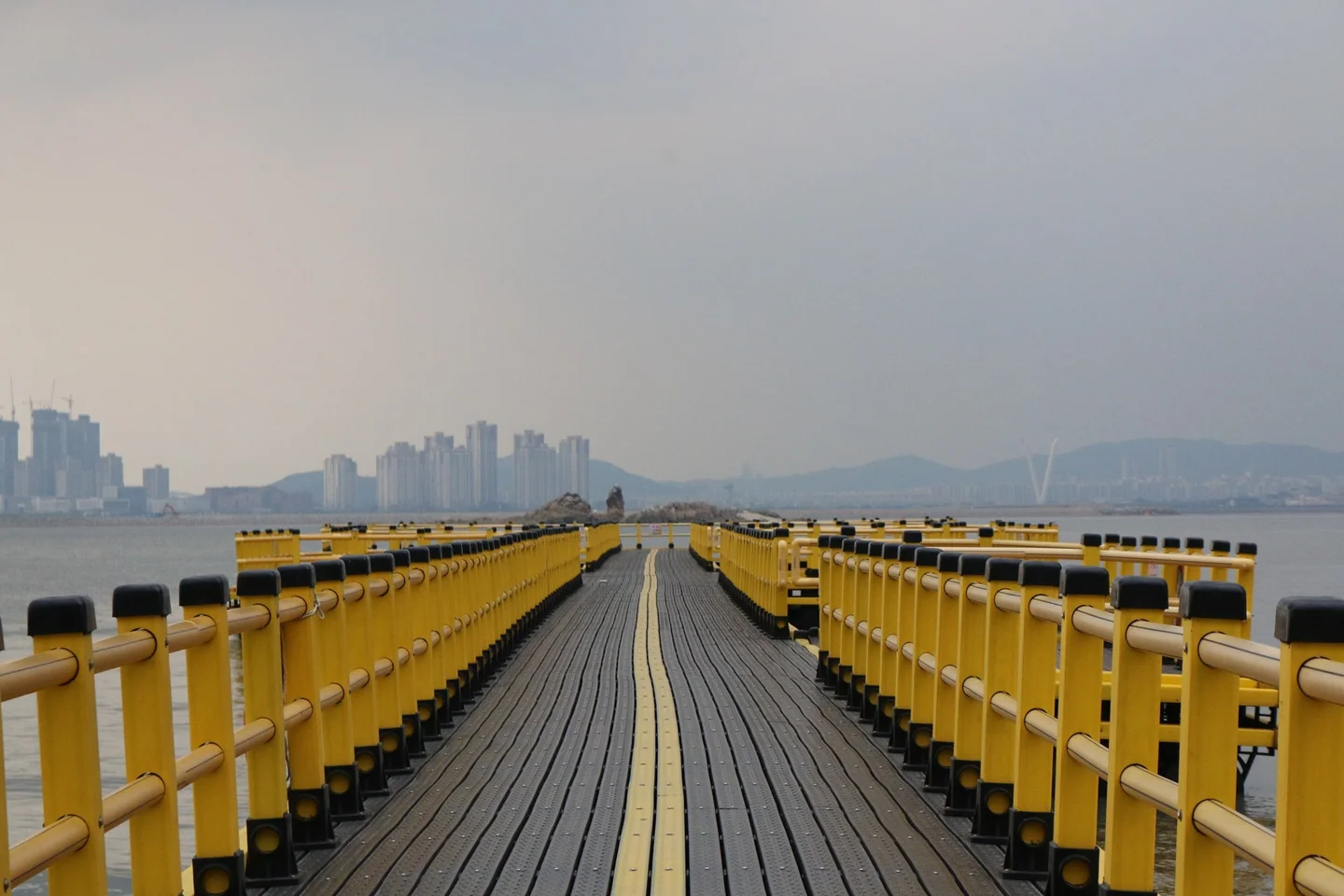
Hwangsaebawi-gil extends the walk out toward the water on a floating boardwalk. It is a good place to notice the difference between a broad tidal flat and a full tide, with the city skyline beyond. Access can be restricted by weather or safety conditions; the seawall remains the alternative route when the boardwalk entrance is closed. A comfortable waterfront visit can be as short as the lighthouse and harbor or extend toward this northern stretch. For step-free planning, the Korea Tourism Organization’s Oido accessible-tourism map identifies improved walking routes, ramps, and facilities. Accessible restrooms are listed by the red lighthouse and the Oasis cultural space. Those are more useful landmarks for a wheelchair user than assuming every harbor stairway or observation level is accessible.
What Makes the Prehistoric Park Worth Visiting?
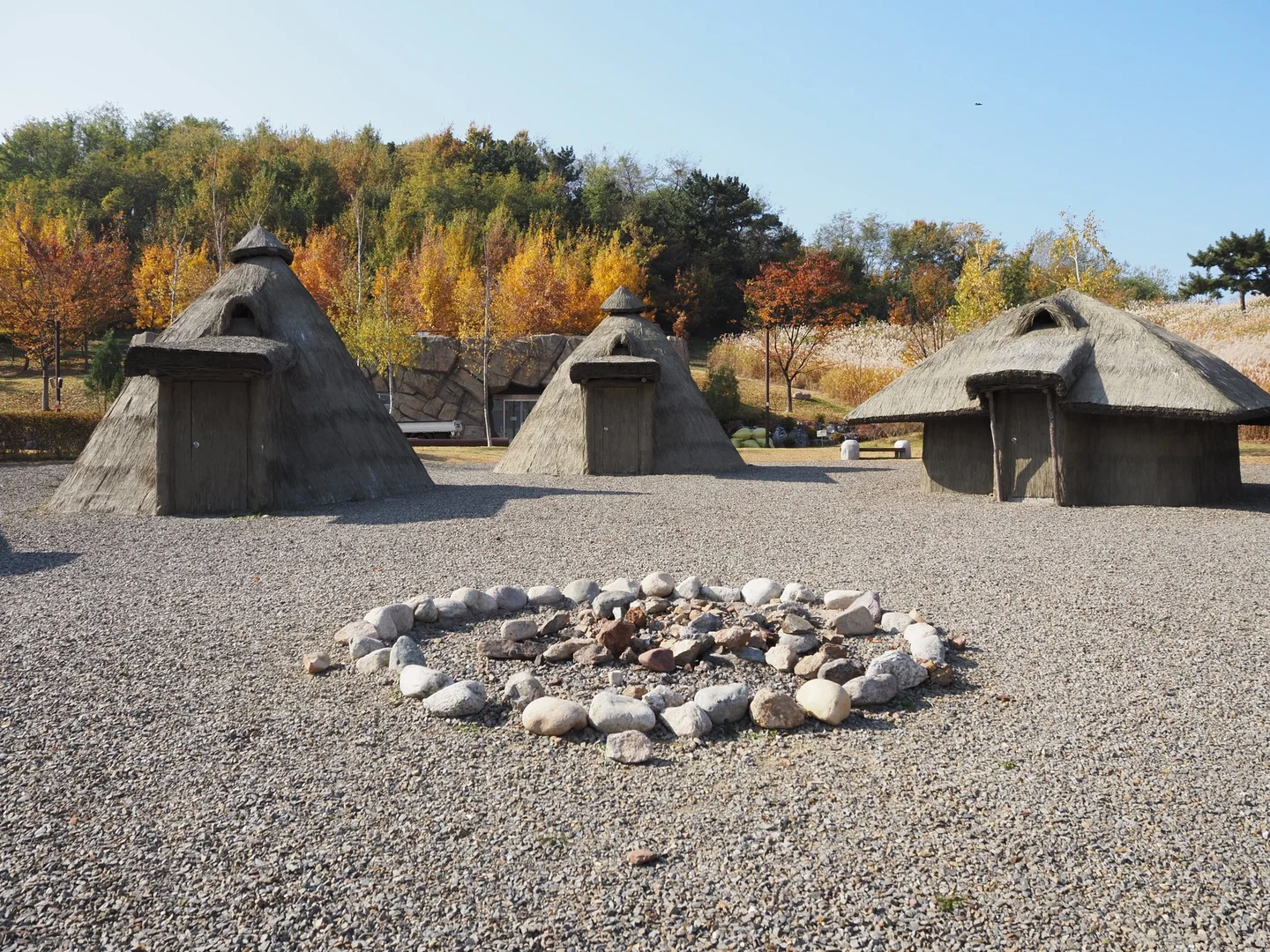
RyuMinjoo · Original · CC BY-SA 4.0 ·
Shell middens give Oido an archaeological significance that is easy to miss while choosing a seafood restaurant. These accumulations of discarded shells and other remains help researchers understand what coastal communities ate and how they lived. The area also preserves evidence from later periods, including village remains. Its history is much broader than a single recreated Stone Age settlement. At Oido Prehistoric Park, reconstructed pit houses give that early life a visible scale: low roofs, compact entrances, and gathering spaces close to the ground. They are interpretive buildings, not ancient houses that survived intact. The park also has a shell-midden exhibition hall and paths through stands of silver grass. Choose a few of these areas rather than trying to cover every corner of the large grounds. The museum adds the objects and explanations behind the outdoor reconstruction. Its permanent gallery includes Neolithic fishing, shell middens, hunting and gathering, housing, and food. It is a rewarding stop for adults as well as families, particularly if you want to understand how this now urbanized coastline once supported a different way of life. As checked on October 12, 2026, the museum’s permanent exhibition is free and normally opens Tuesday through Sunday, 10 a.m.–6 p.m.; New Year’s Day, Seollal, and Chuseok are additional closure dates. The park’s shell-midden exhibition hall closes earlier, at 5 p.m., and also closes Mondays. Plan those indoor stops before the evening waterfront. The museum’s children’s experience room is a separate, paid, timed activity, recommended for ages three through nine with an accompanying adult. Reserve online and collect tickets at least ten minutes before the session. Park pit-house interiors open only for scheduled programs, so an ordinary outdoor visit does not include entry into every hut.
Choosing a Seafood Meal
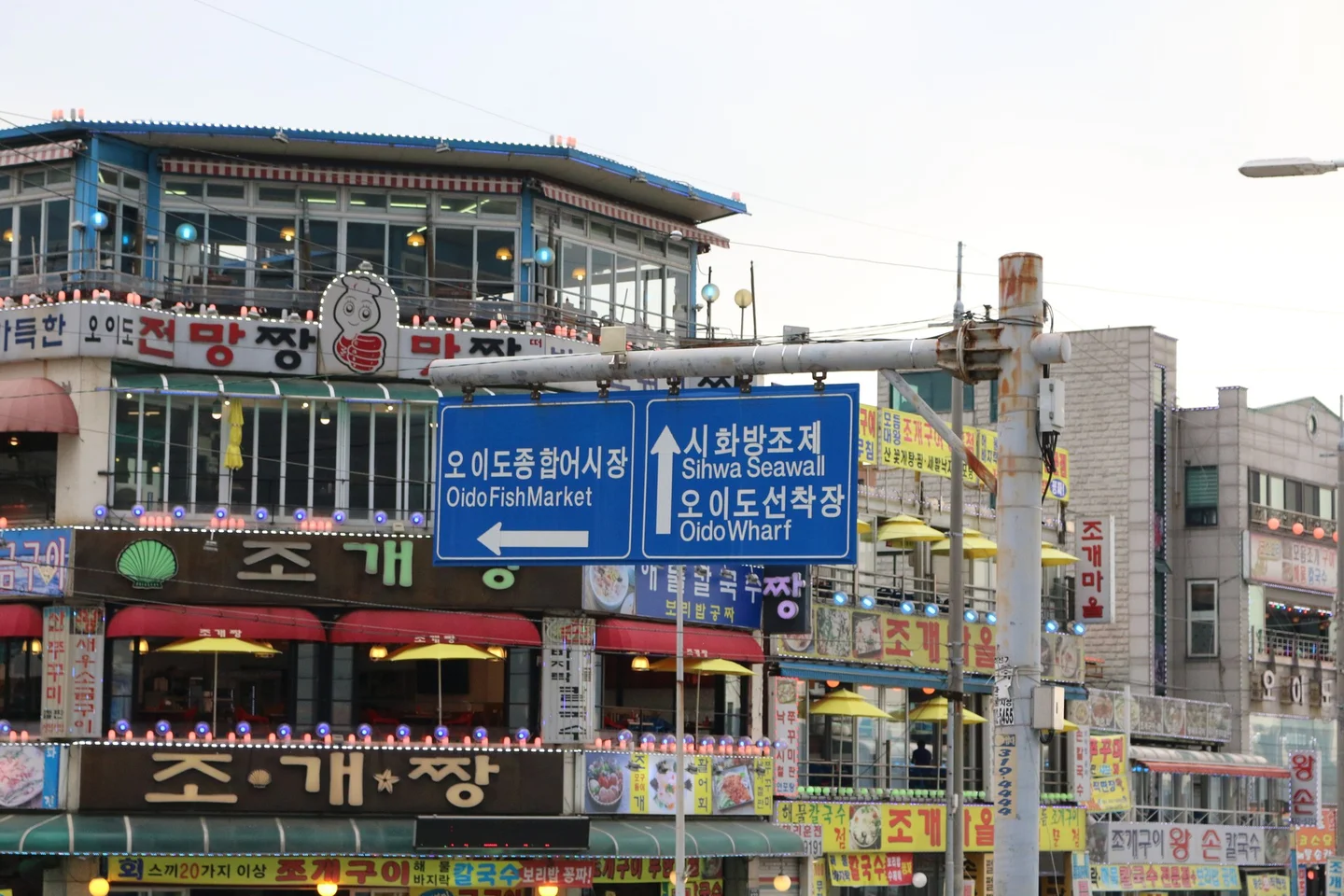
HaEunKim · Original · CC BY-SA 4.0 ·
The waterfront restaurant signs can look overwhelming, but three menu terms make the choices easier. Jogae-gui means grilled shellfish, usually a shared meal cooked at the table. Hoe is sliced raw fish. Haemul kalguksu is seafood noodle soup, a simpler choice when you want a warming meal without committing to a large platter. For a shellfish set, establish the portion size, included species, and whether extras such as noodles are charged separately. For raw fish, check whether the displayed price covers the whole meal or only the main platter. A waterfront table and a seafood set are separate decisions: compare the menu before choosing a restaurant solely for its upper-floor view.
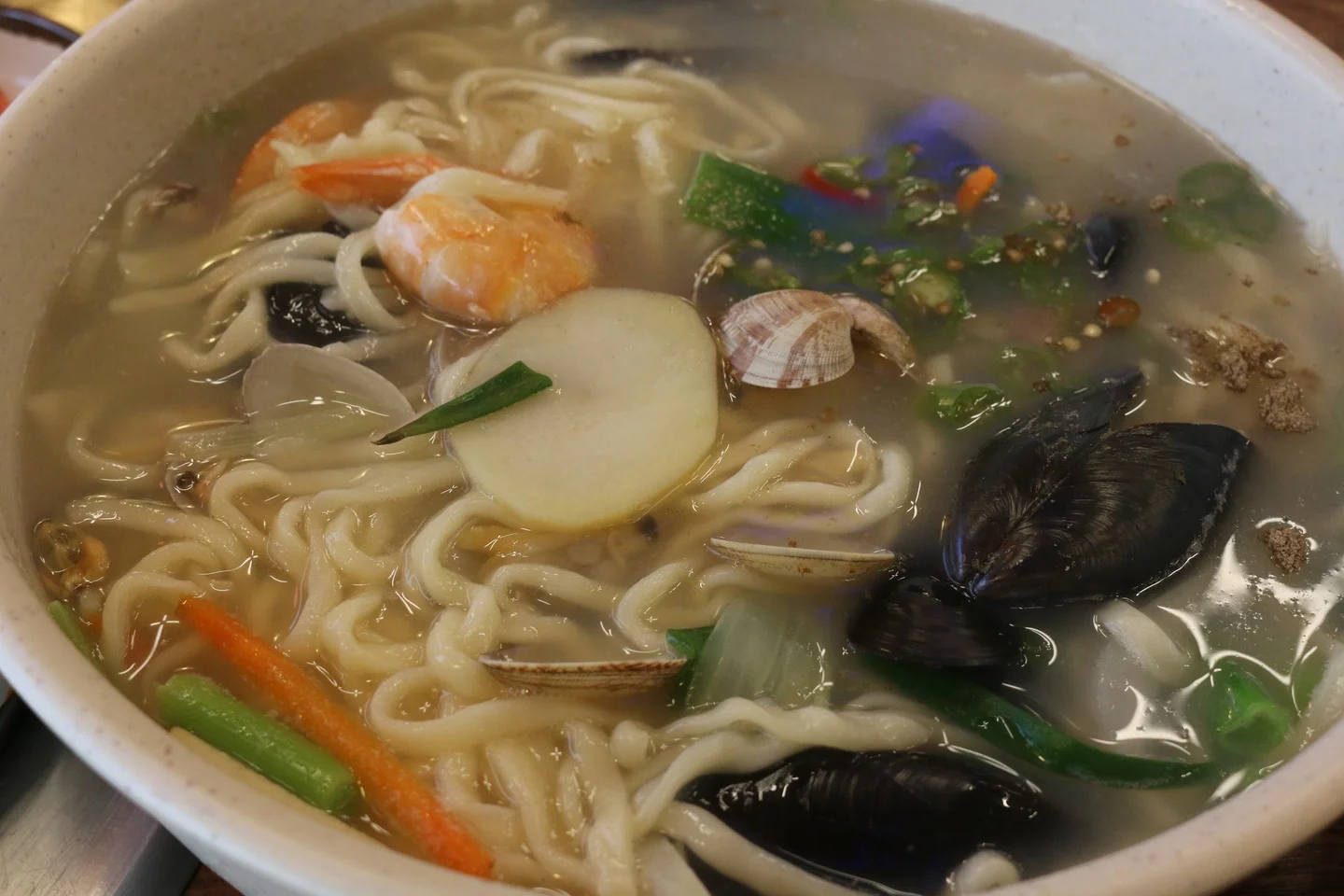
HaEunKim · Original · CC BY-SA 4.0 ·
Kalguksu uses wheat noodles in broth, often with clams and other seafood here. The soup may arrive in a large shared bowl or pot, so ask how many people an order serves. Bajirak kalguksu specifically points to a clam version; haemul generally signals a broader seafood mix. These are useful menu distinctions if you prefer cooked seafood to a raw-fish meal.
Leave Time for Sunset
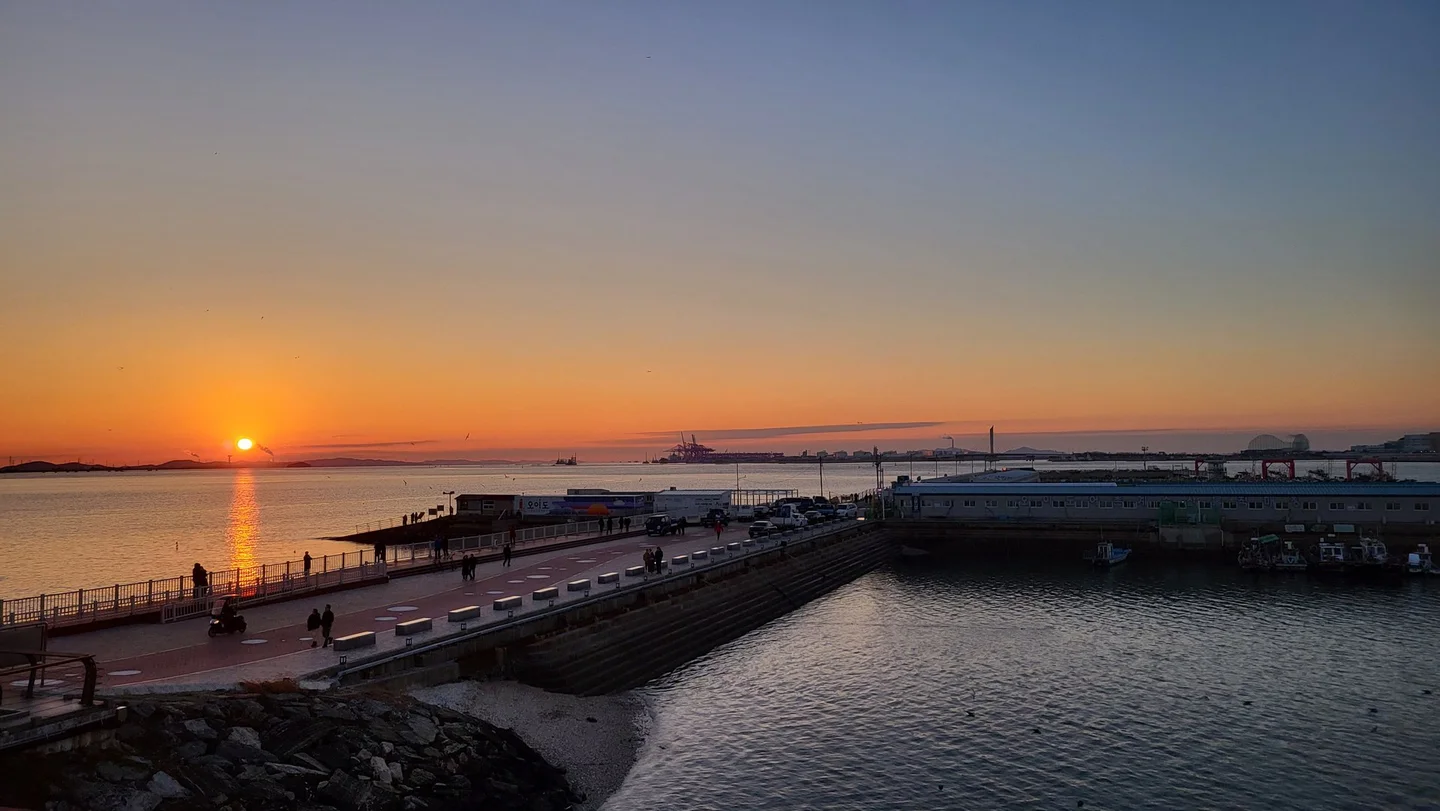
The west-facing shore is Oido’s natural evening destination. Walk it in daylight first, then return to an open section near the lighthouse or harbor as the light drops. A restaurant window offers a comfortable view, but the seawall gives you more freedom to follow the changing light across the water, boats, and distant skyline. Eat before sunset or afterward instead of spending the brief best light waiting for a table. Once you have chosen your dinner area, locate the return bus stop and check the connection back to the railway station.