Gwangmyeong Cave: Lights, Mining History, and Korean Wine Beneath the Hills
Jjw · Original · CC BY-SA 4.0 ·
A former mine southwest of Seoul now holds illuminated tunnels, an underground performance hall, a waterfall, and displays of Korean wine. Gwangmyeong Cave is an unusual half-day outing because the setting does much of the work: narrow passages open into tall chambers, with rough rock overhead and new uses for spaces once occupied by miners. This is a developed visitor attraction inside a mine, rather than a limestone cavern visited for stalactites. It suits travelers interested in industrial history, dramatic interiors, or an outing largely sheltered from rain. The approach is outdoors, however, and the underground route includes stairs. Decide how much walking and enclosed space your group is comfortable with before choosing the full circuit.
Getting from Seoul to the Entrance
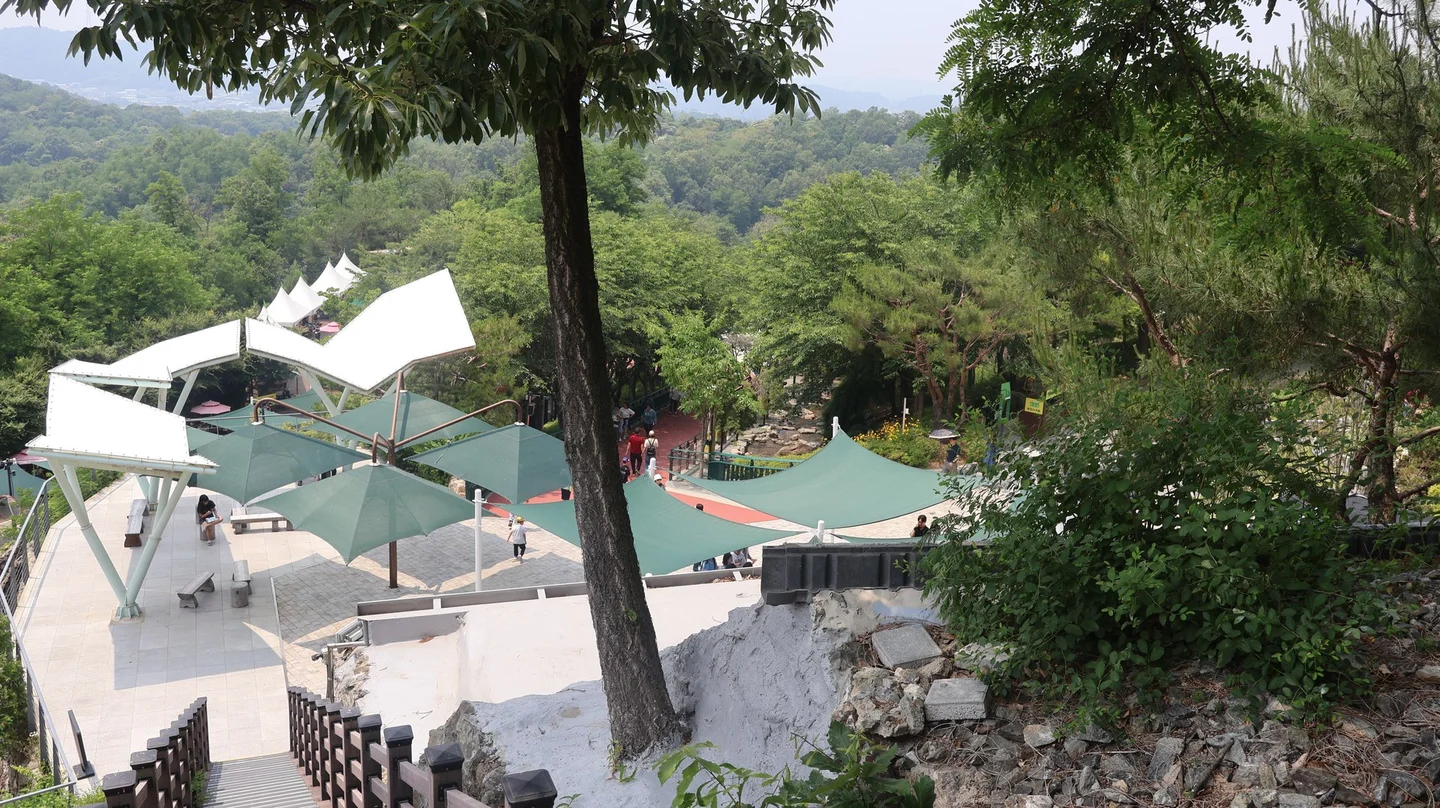
Cheolsan Station on Seoul Subway Line 7 and KTX Gwangmyeong Station are useful starting points for the onward bus journey. The city's directions page lists bus 17 from the Cheolsan area and bus 77 from exit 8 at KTX Gwangmyeong. Check the current departure point and route for your day; neither station is beside the cave entrance. The main bus terminus and parking lots 1 and 2 approach from the west side. Public parking lot 3 is on the east side, with a different approach. If meeting friends or arriving separately, agree on a named entrance or ticket office instead of simply “the cave parking lot.” Allow for the hillside walk between your arrival point and the actual entrance. As checked on October 12, 2026, the official visitor guide gives regular hours of 9 a.m.–6 p.m., last entry at 5 p.m., and standard adult admission of ₩10,000. Monday is the usual closing day, with holiday and seasonal exceptions announced separately. The operator has also suspended online ticket sales until further notice. Plan for on-site ticketing unless a later announcement confirms that online sales have resumed. For a first visit, allow around an hour to 90 minutes inside, plus entry, the approach, and any outdoor stops. A half-day plan from Seoul leaves more room for the bus connections than a tightly timed stop between trains.
Illuminated Tunnels and an Underground Theater
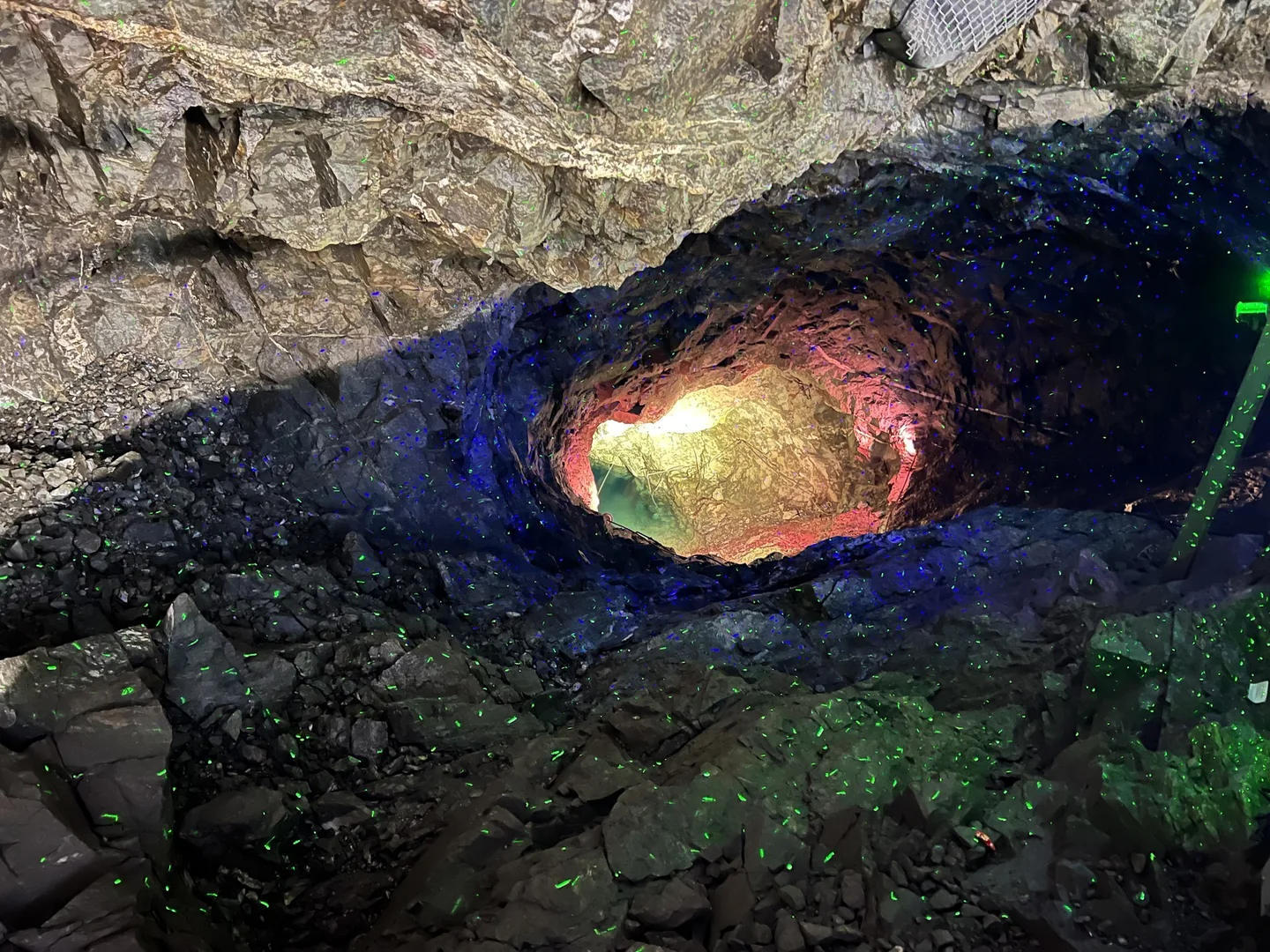
The early part of the route introduces the attraction's main visual language: points of light follow the shape of the rock, and dark passages lead toward larger spaces. Around Wormhole Plaza and the light installations, the changing width and height of the tunnels are as interesting as the colors. You can enjoy these sections without following a long written explanation. The light-art introduction describes the use of LEDs and digital media within the mine. The displays are contemporary additions, while the uneven walls and branching passages preserve the feeling of the underlying industrial space. Let your eyes adjust before looking for the finer rock textures between the lit areas. The Cave Arts Center places rows of theater seating directly beneath a large rock ceiling. It is a striking change of scale after the narrower tunnels. The official venue description explains its role as a performance and media-art space. Check the day's presentation when you arrive; the seating and chamber are part of the setting, while an actual screening or performance follows its own program.
The Golden Waterfall and the Lower-Level Route
At the Golden Waterfall, falling water and lighting draw attention upward through an opening in the rock. The attraction's gold-themed names refer to the mine's history and its modern presentation. Looking beyond the lighting reveals the irregular surfaces, dark recesses, and changes in level that make the interior feel very different from a conventional exhibition hall. Some chambers reveal more of that depth, with lit openings surrounded by darker rock. These are good places to pause within the designated viewing space and look at how one passage connects with another. The route alternates between confined stretches and wider chambers; it is that movement through the mine, as much as any individual display, that gives the visit its character.
Striker9498 · Original · CC BY-SA 4.0 ·
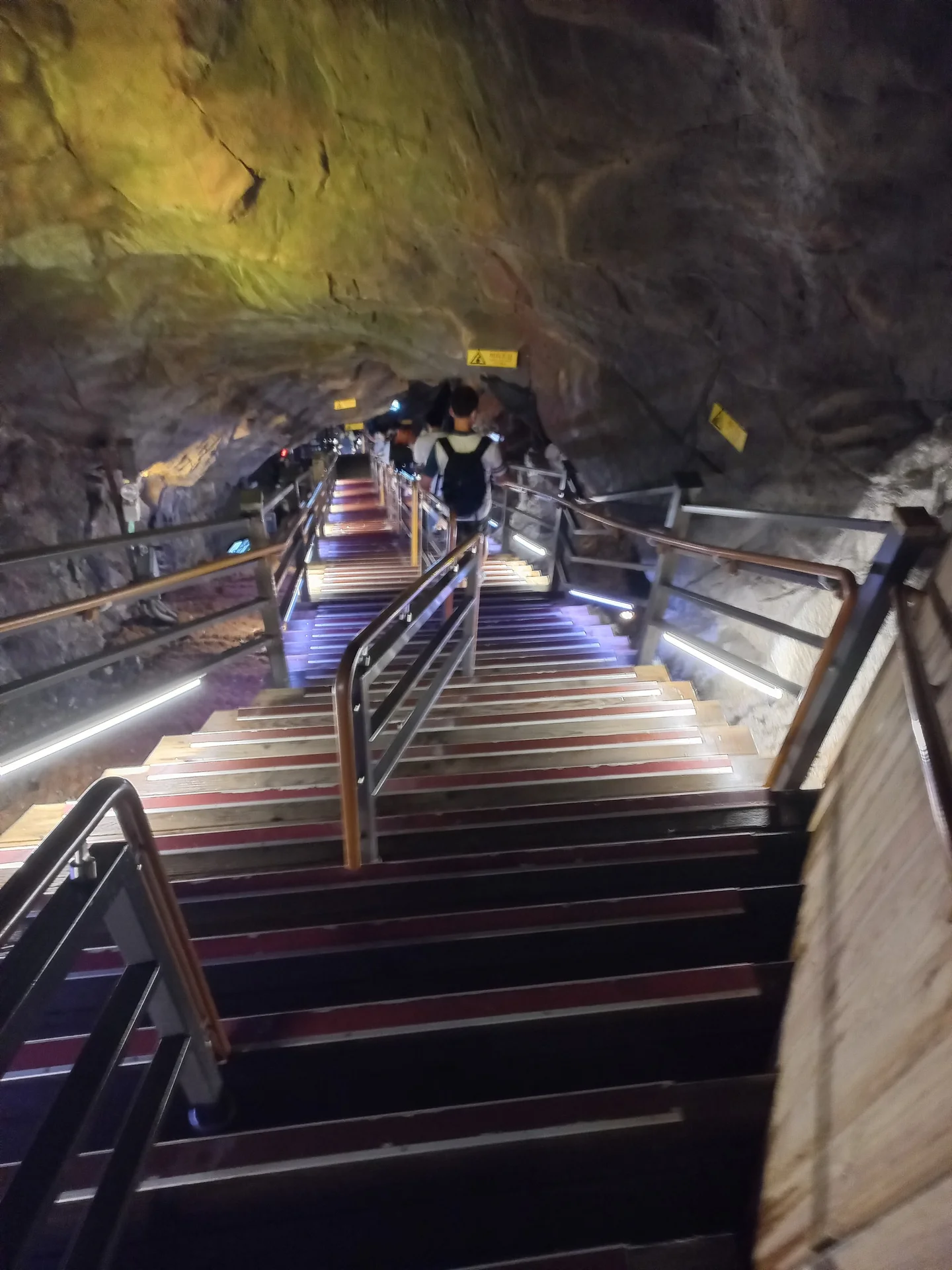
The lower-level section requires a long stairway through the former inclined mine passage. Consider the return climb before going down. According to the operator's accessibility guide, wheelchair users cannot enter this stair-based underground section. Ask staff to identify the suitable upper-level route and its turning points at the start. Strollers must also be left outside the cave entrance. Families with small children should plan for the child to walk or be carried safely through the sections they choose. The flatter-looking entrance does not represent every part of the interior.
From Siheung Mine to a Storehouse for Korean Wine
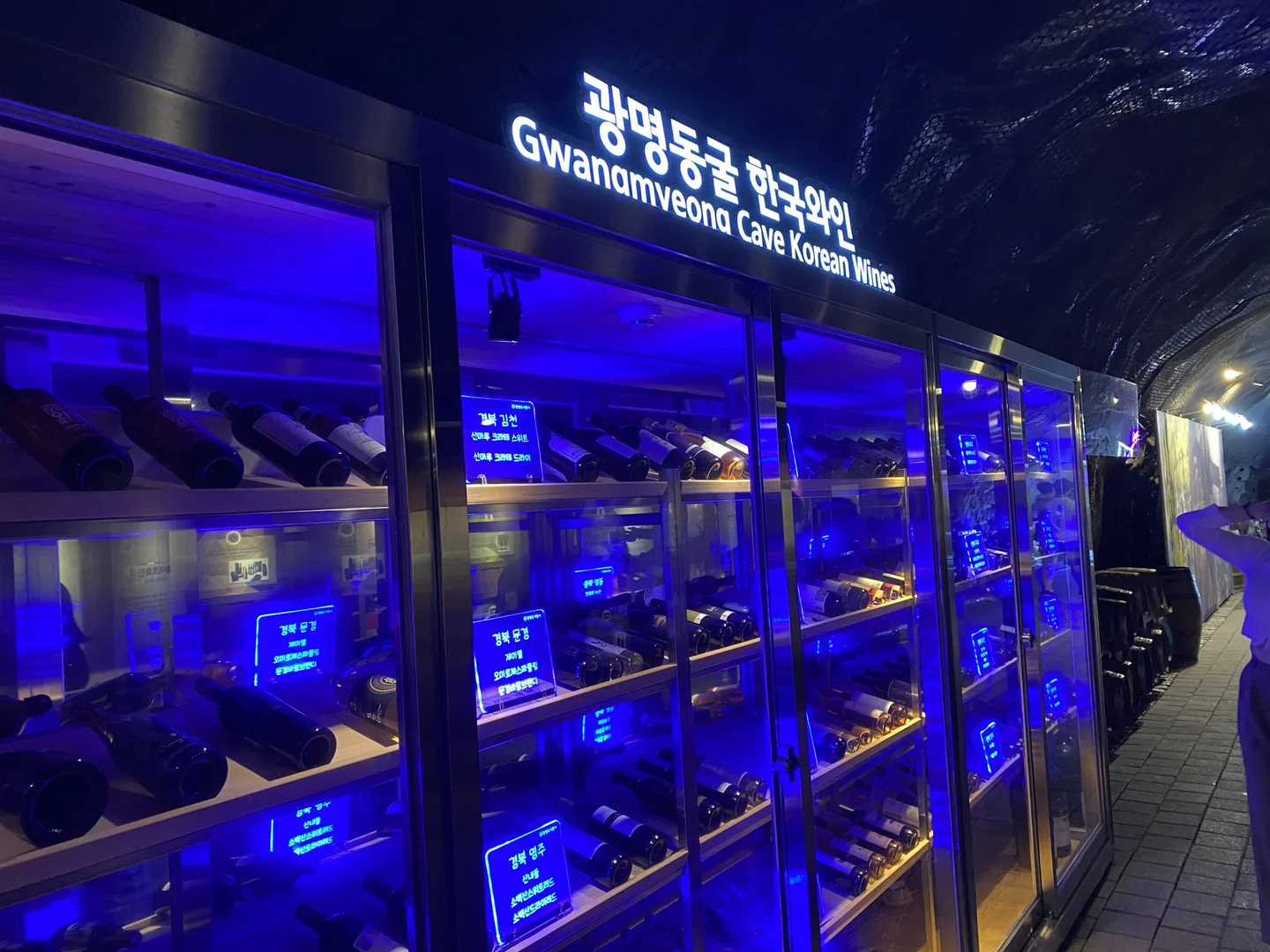
The local history is worth reading alongside the light displays. The site was known as Siheung Mine, with an early record dating to 1903 and a later establishment in 1912 under Japanese colonial rule. It produced minerals including gold, silver, copper, and zinc before closing in 1972. Storage of salted shrimp followed, and the city purchased the site in 2011 as it developed a new public use. The official history also addresses the exploitation and labor associated with the colonial mining period. The Modern History Hall adds context to the spaces you have just walked through. Follow the changes in use, from extraction to storage to tourism, and distinguish surviving mining evidence from later displays. That sequence explains why industrial heritage and colorful entertainment coexist here. The Wine Cave introduces another use for the cool interior. Bottles from Korean producers are displayed and sold, including wines made from regional fruit. Browse by place of origin or ask which fruit is used, rather than assuming every bottle is grape wine. It can be an interesting introduction to a part of Korean drinks culture less familiar than soju or makgeolli. Wine tasting is not currently a guaranteed part of admission. As checked October 12, 2026, the official Wine Cave page says that any resumption of tastings will be announced separately. Plan the stop around the displays and available retail selection.
Returning to Daylight
*Youngjin · Original · CC BY-SA 3.0 ·
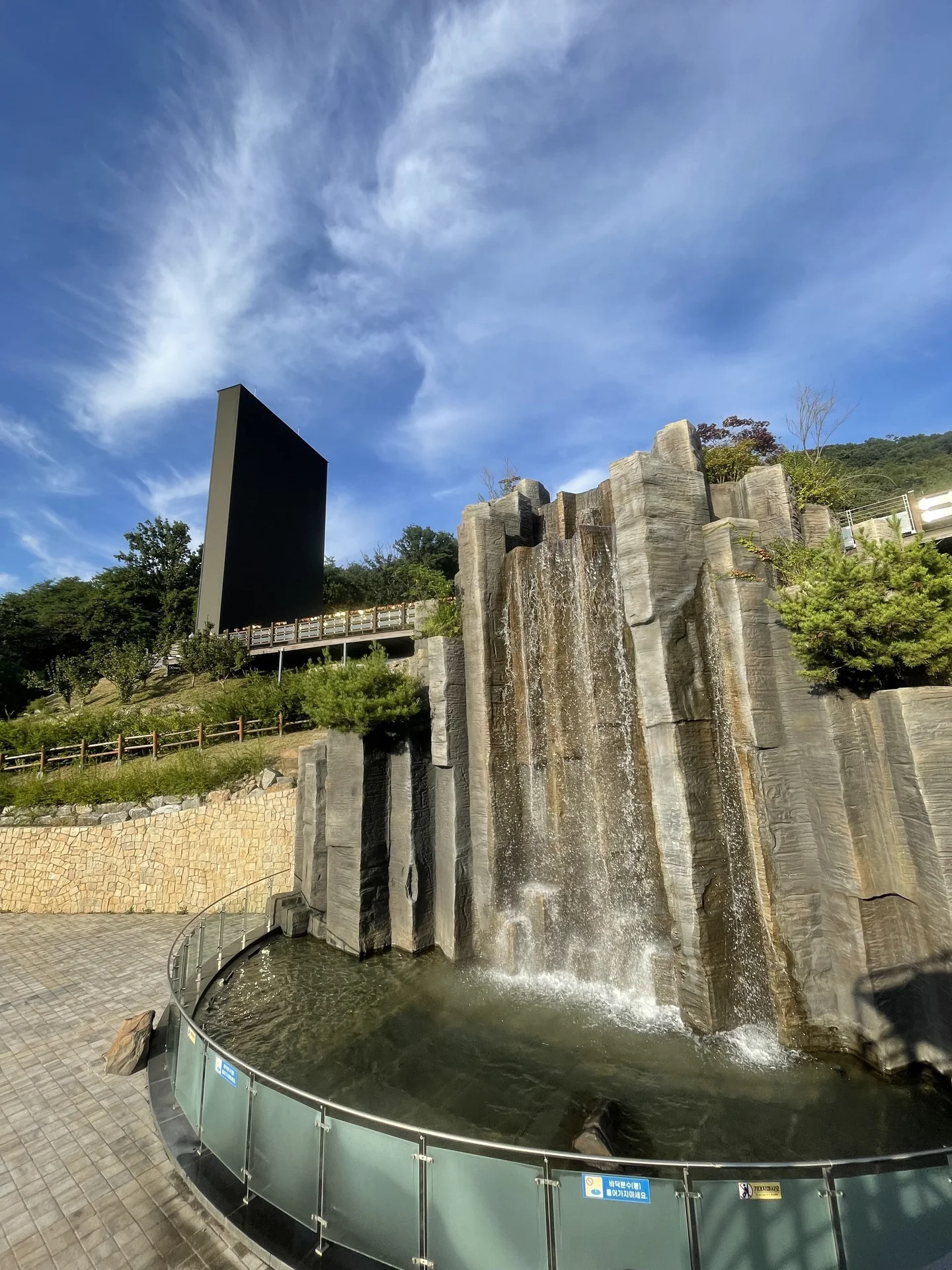
Outside, the plaza, planted hillside, and water features offer room to slow down after the enclosed walk. On a clear day, add a short look around the entrance grounds before returning to your bus or parking area. In wet weather, make the cave the main visit and keep the outdoor portion brief. One item is genuinely useful even in summer: a light extra layer. The operator describes a cool, humid interior around 12°C, roughly 54°F, so the temperature can feel markedly different after the uphill approach. Shoes with a secure grip help on damp surfaces and the longer staircase. Travelers uncomfortable with enclosed or dimly lit spaces should ask about the route before entry rather than discovering the issue deep inside. Food and pets are not permitted inside under the published visitor rules. Arrange a meal before entering or after coming out, and leave time for the return connection to Cheolsan or KTX Gwangmyeong. Restaurants and shopping around the station are a separate bus or taxi trip, not a continuation of the cave's walking paths.