Heyri and Provence Village: An Art-and-Café Day in Paju
Korea.net / Korean Culture and Information Service (Jeon Han·전한) · Original · CC BY-SA 2.0 ·
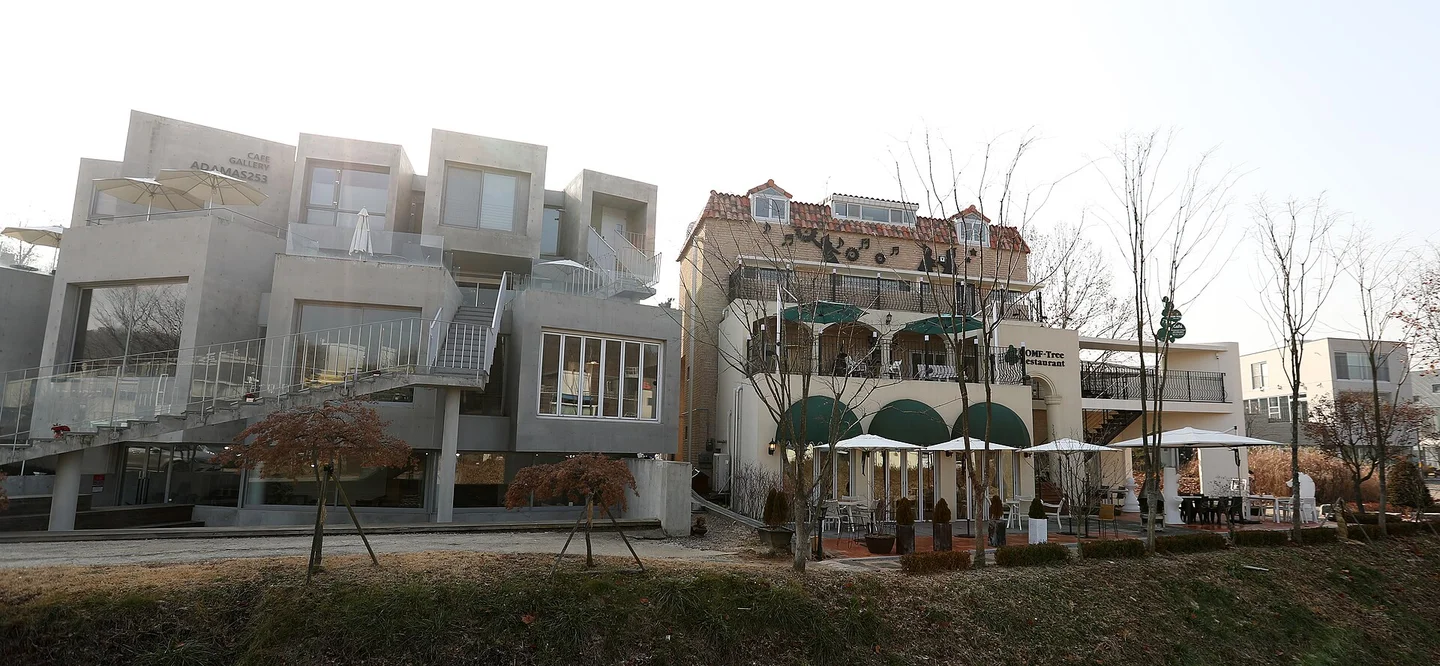
Paju’s Tanhyeon area rewards travelers who like looking closely: a concrete building balanced above a terrace, a small gallery’s changing exhibition, rows of everyday objects arranged inside a museum storehouse. Heyri Art Village gives the day its creative center. Nearby Provence Village adds colorful gardens and shops, while the National Folk Museum’s Paju branch offers a remarkably different way to encounter Korean material culture. The best combination depends on what brought you here. For architecture and contemporary art, spend most of your time in Heyri and finish with a café. For an easygoing outing with shopping and landscaped lanes, add Provence. If you are curious about how Koreans cooked, stored food, and furnished their homes, choose the Paju museum as your second stop. These are separate destinations with separate entrances and operating arrangements. Two substantial stops make a more comfortable day than trying to fit in all three alongside Imjingak and Paju Book City. Set aside the afternoon for Tanhyeon itself, or build a full day around a specific exhibition or family activity.
Find your gallery, then choose the right Heyri entrance
Korea.net / Korean Culture and Information Service (Jeon Han·전한) · Original · CC BY-SA 2.0 ·
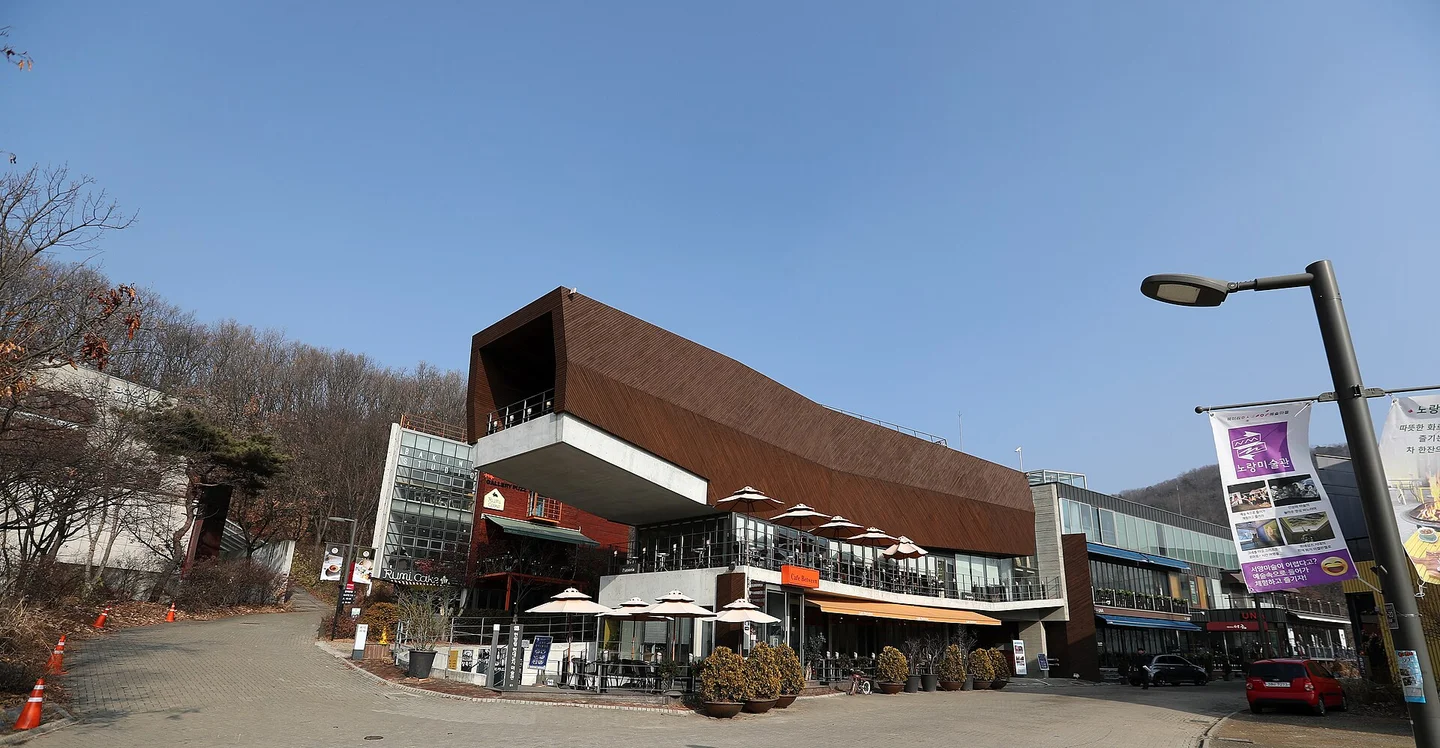
Heyri has several gates and bus stops. Before setting out, save the name of the building you want to visit and identify its nearest entrance. That small step can save a long walk across the village before you reach the exhibition that prompted the trip. From Seoul, look for regional bus connections from the Hongik University or Hapjeong Station area; from within Paju, check onward service from Geumchon. Routes and weekend arrangements differ, so use the live journey for your date rather than assuming one bus number covers every trip. The village’s visitor guide includes a gate map and transport guidance. Drivers should also select a gate by their first destination and expect more competition for parking on weekends.
Korea.net / Korean Culture and Information Service (Jeon Han·전한) · Original · CC BY-SA 2.0 ·
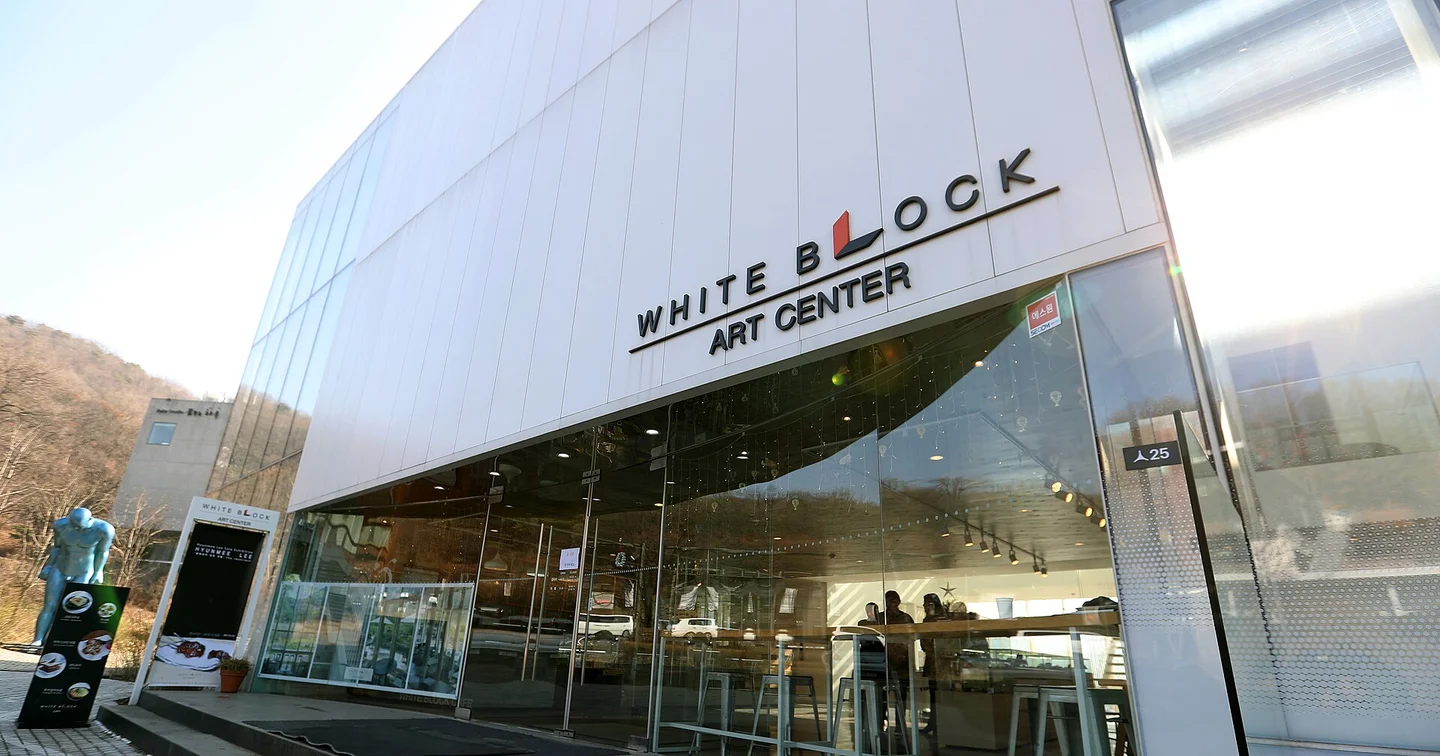
Once inside, architecture becomes part of the outing. Long cantilevers, deep-set windows, exposed concrete, and white facades give neighboring buildings very different personalities. White Block Art Center is a useful landmark for an art-focused walk, with a conspicuous pale exterior and broad glazing. Look at how buildings meet the slope, stream, and outdoor spaces as you move between venues. Heyri contains homes and working studios as well as visitor attractions; the public lanes offer plenty to explore without treating every doorway as an exhibition entrance. For wheelchair or stroller access, check the specific gallery’s entrance and elevator rather than relying on the general accessibility of the village roads.
Make one exhibition the anchor of the day
Republic of Korea from Seoul, Republic of Korea · Original · CC BY-SA 2.0 ·
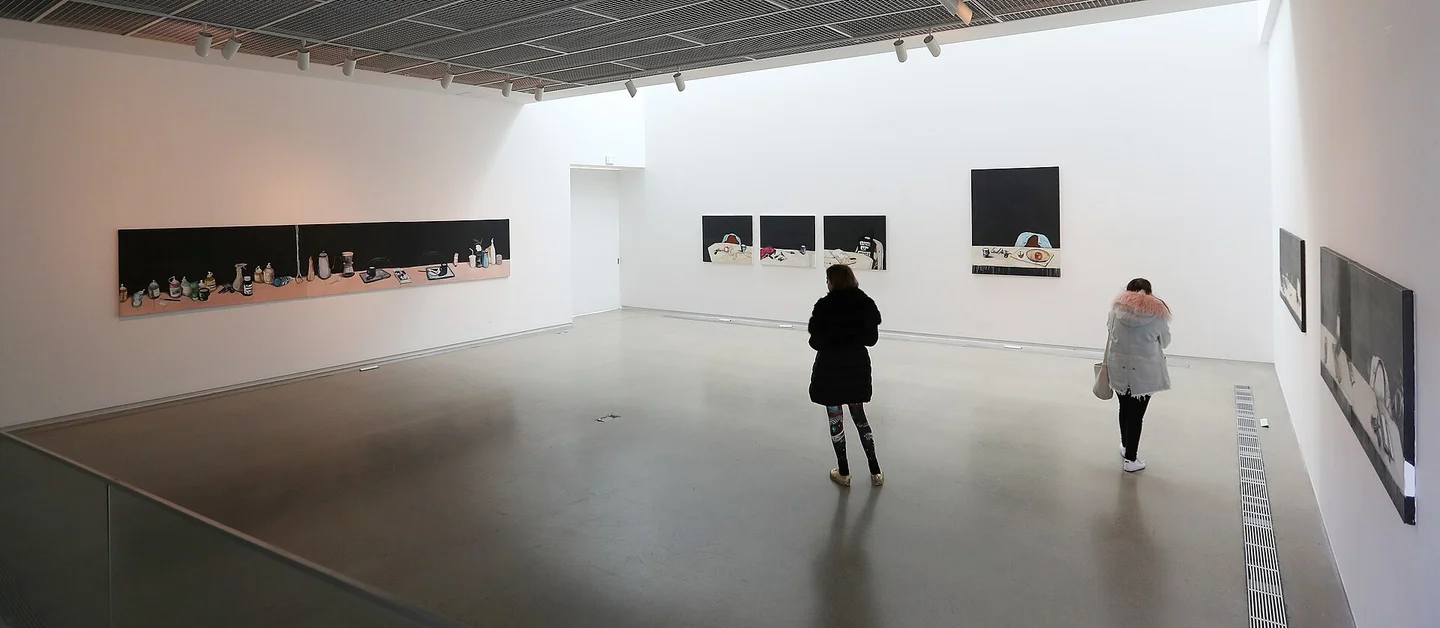
Heyri is free to enter as a village, but individual museums, galleries, and workshops set their own admission policies. Choose a show you actually want to see before deciding how many other venues to add. A thoughtful hour in one exhibition leaves time to enjoy the architecture outside and a meal afterward. White Block’s exhibition listings are a starting point for contemporary art. Read the dates carefully: an exhibition archive records past shows as well as more recent programming. A building’s café and its gallery may also follow different schedules. Across Heyri, Monday closures are common enough that a Monday art trip should begin with confirmation from your chosen venue. You do not need specialist knowledge to enjoy a small gallery. Notice how materials, scale, and the arrangement of works change your impression of the room. If English interpretation is limited, an exhibition introduction may provide a more useful starting point than trying to translate every label. For a hands-on workshop, settle three practical details before paying: the language used, the session length, and when the finished piece can be collected. Pottery or other work requiring drying or finishing may not be ready to take away that afternoon. Travelers leaving Korea soon should ask about collection or shipping before choosing the activity.
Provence Village: gardens, little shops, and a different mood
Provence Village is a separate themed shopping and dining area inspired by southern France. It offers painted buildings, garden paths, cafés, bakeries, and homeware shops, making it an easy change of pace after an exhibition. Its appeal is the setting and a leisurely browse, rather than the historical significance of an old European settlement. Decide whether this stop is for a meal or for coffee and something from a bakery. The Korea Tourism Organization’s current listing describes a mix of Korean and Western food, so the village’s French-inspired appearance does not dictate a single cuisine. For shopping, small household items and decorative objects fit naturally into the visit; check protective packing if you choose something fragile. Daylight brings out the building colors and garden details. An evening visit has a different emphasis, with lighting adding to the atmosphere. Individual businesses set their own closing times, and a special light festival or performance requires its own date check. Choose your arrival time around the shops or restaurant you want, rather than the grounds’ broad opening window. Map the actual walking route from Heyri before committing to it, including road crossings. A short taxi transfer can make more sense for a group with limited walking time. If you are leaving by bus, find the return stop near whichever village you visit last.
The Paju museum opens its storage rooms to visitors
The National Folk Museum of Korea’s Paju branch offers a compelling alternative to a second shopping stop. Instead of showing only a handful of selected treasures, it lets visitors encounter the larger collections behind a museum: earthenware jars, grinding stones, mortars, and other objects used in everyday life. There are storage areas you can enter and others you view through windows. Repeated forms become interesting in their own right. Compare the size of a storage jar with a smaller kitchen vessel, or the working surfaces of different grinding tools. This is a good choice for anyone interested in design, domestic history, or how collections are preserved. As checked October 12, 2026, admission is free and general visitors do not need reservations. The museum opens 10 a.m.–6 p.m., with last entry at 5:30 p.m. It normally closes Mondays; a public-holiday Monday opens instead, with closure on the next weekday. New Year’s Day and Seollal and Chuseok day have additional closures. The Children’s Museum uses advance reservations, with limited remaining places handled on-site. See the official Paju visitor information. Check that your map and reservation refer to Paju, not the museum beside Gyeongbokgung Palace in Seoul. Save your café drink for outside: personal beverages cannot enter the viewing facilities.
Leave room for lunch and the way back
Korea.net / Korean Culture and Information Service (Jeon Han·전한) · Original · CC BY-SA 2.0 ·
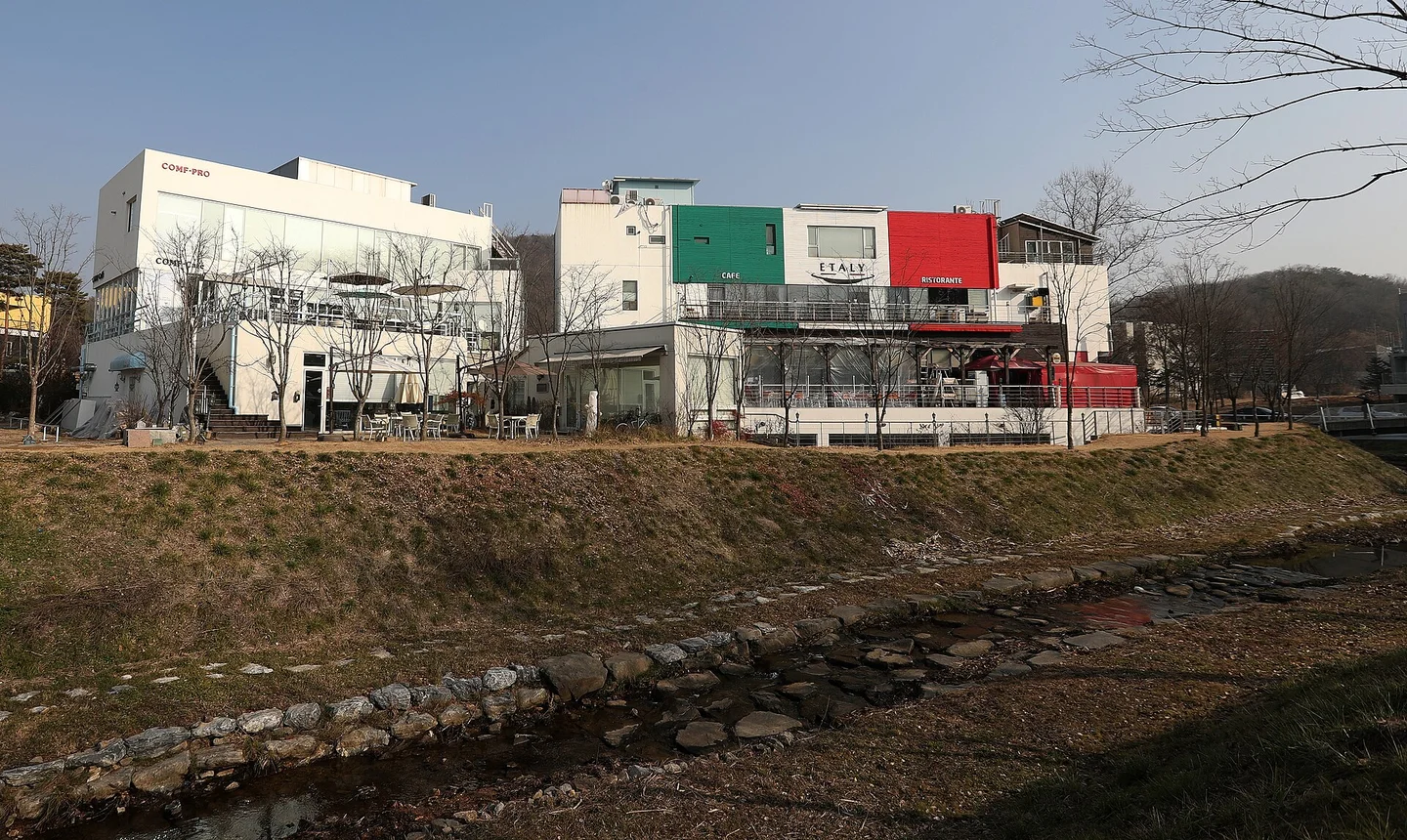
A café beside Heyri’s stream or a restaurant inside an unusual building can be part of the attraction, rather than merely a gap between museums. Put a timed exhibition or workshop first, then choose somewhere nearby for a longer break. If your group splits up, agree on a building name and meeting time; “the entrance” is ambiguous in a village with multiple gates. On a clear day, combine Heyri’s architecture with Provence’s garden lanes. In rain, concentrate on a confirmed exhibition and the Paju museum, keeping the transfers short. A family with a Children’s Museum reservation can work backward from that session, adding lunch and a brief outdoor walk. Before your final café stop, locate the bus stop or gate where the return journey starts.