gil.KOREA

Silleuksa Temple in Yeoju: Pagodas Above the Namhangang River
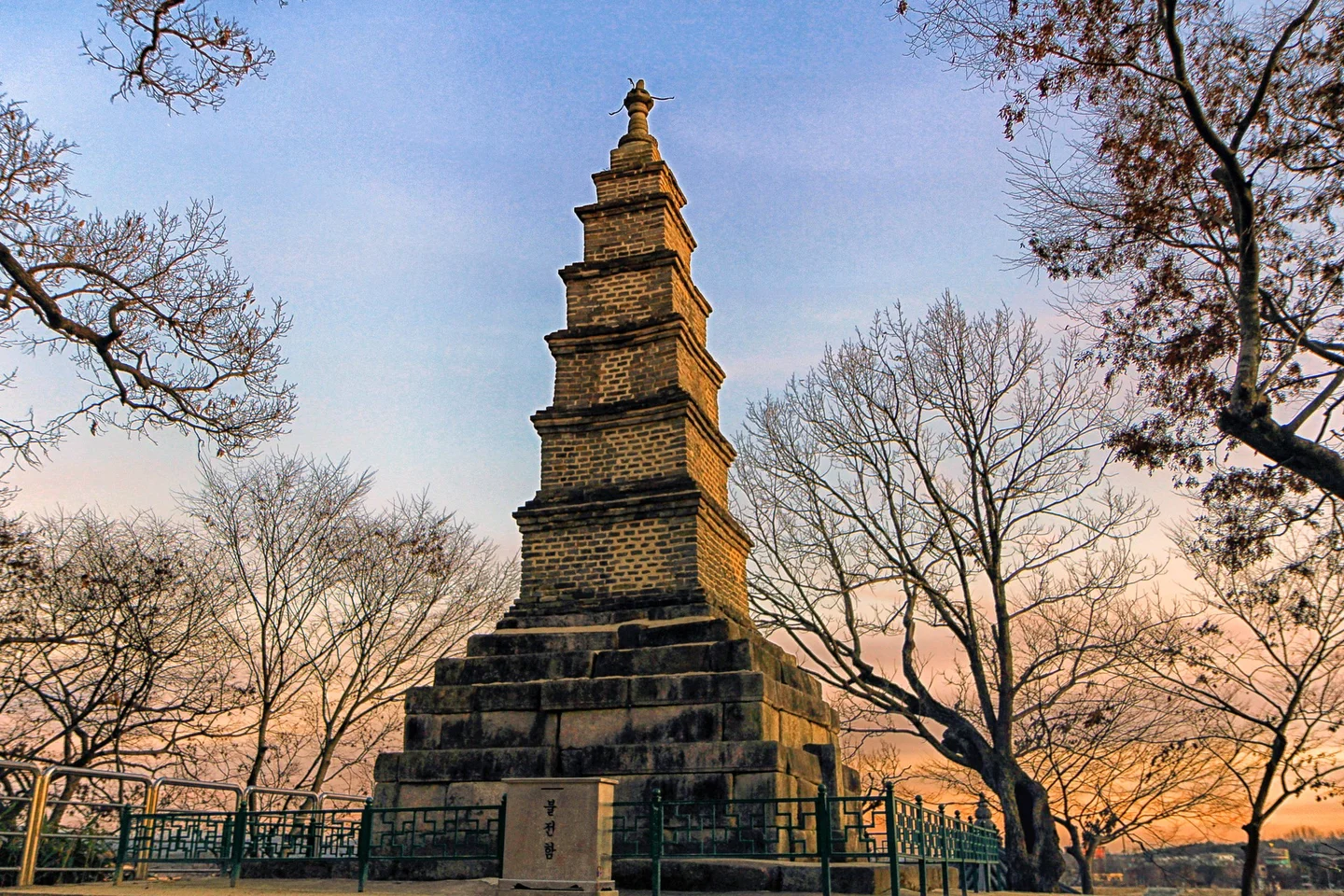
Silleuksa Temple multi-story pagoda on the hillside of the Namhangang River

우승민 · Original · CC BY-SA 4.0 ·

Source notices and processing details

Silleuksa Temple multi-story pagoda on the hillside of the Namhangang River

Photo: 우승민 · commons.wikimedia.org — 신륵사 다층전탑.jpg · CC BY-SA 4.0

WebP conversion; proportionally reduced where needed; no cropping or upscaling.

Processed copies are provided under the same license shown above.

CC BY-SA 4.0 https://creativecommons.org/licenses/by-sa/4.0 · 저작자 표시 필수 · 동일조건변경허락(변경 시 같은 라이선스)

360 × 240: Existing supplied proportional WebP rendition; no new crop, resize, upscaling, distortion or synthesis in this connection batch.

720 × 480: Existing supplied proportional WebP rendition; no new crop, resize, upscaling, distortion or synthesis in this connection batch.

1440 × 960: Existing supplied proportional WebP rendition; no new crop, resize, upscaling, distortion or synthesis in this connection batch.

At Silleuksa, the river is part of the temple visit. A brick pagoda stands above the water, a wooden pavilion rests on a rocky outcrop, and the view opens across a broad reach of the Namhangang. You can move from an enclosed courtyard to this riverside setting in a short walk, without the long mountain approach associated with many Korean temples. That combination makes Silleuksa a rewarding Yeoju day trip even if Buddhist architecture is new to you. There are clear things to look for: a pale stone pagoda in front of the main hall, a very different brick tower by the river, and a bell-shaped memorial hidden uphill among the trees. The changes in material, scale, and setting make the history easier to follow than a list of monument names. Allow roughly two hours for an unhurried temple visit, longer if you linger by the river or explore the uphill memorials. Yeoju Museum and the Dojasesang ceramics complex are useful nearby additions. King Sejong’s royal tomb is elsewhere in Yeoju and needs a separate transfer; it is not another stop along the temple’s entrance path.

Finding Your Way into the Main Courtyard
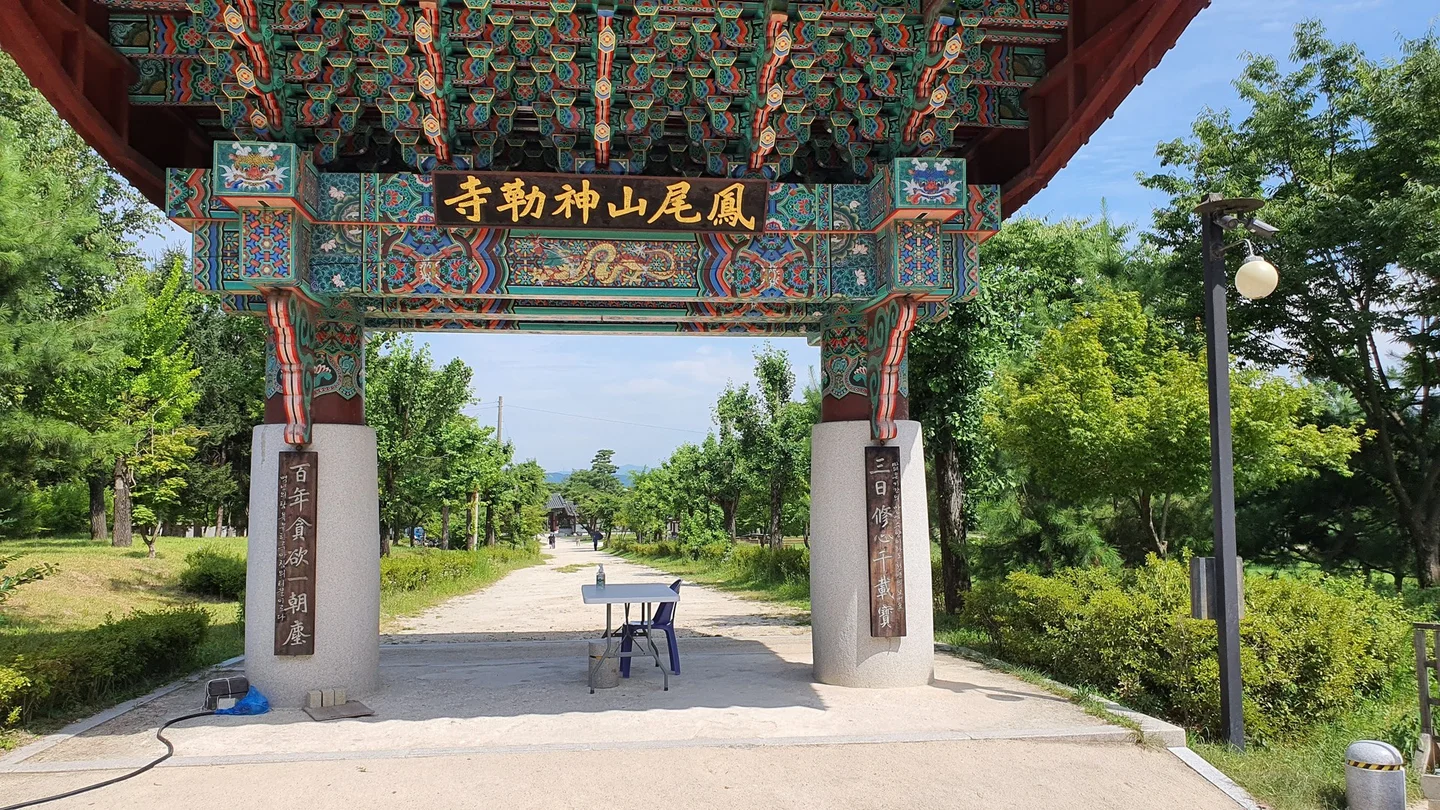
Iljumun Gate with the signboard of Silleuksa Temple on Bongmisan Mountain

Twotwo2019 · Original · CC BY-SA 4.0 ·

Source notices and processing details

Iljumun Gate with the signboard of Silleuksa Temple on Bongmisan Mountain

Photo: Twotwo2019 · commons.wikimedia.org — Front door of Silleuksa.jpg · CC BY-SA 4.0

WebP conversion; proportionally reduced where needed; no cropping or upscaling.

Processed copies are provided under the same license shown above.

CC BY-SA 4.0 https://creativecommons.org/licenses/by-sa/4.0 · 저작자 표시 필수 · 동일조건변경허락(변경 시 같은 라이선스)

360 × 202: Existing supplied proportional WebP rendition; no new crop, resize, upscaling, distortion or synthesis in this connection batch.

720 × 405: Existing supplied proportional WebP rendition; no new crop, resize, upscaling, distortion or synthesis in this connection batch.

1440 × 810: Existing supplied proportional WebP rendition; no new crop, resize, upscaling, distortion or synthesis in this connection batch.

The decorated Iljumun gate marks the beginning of the temple approach. Its name is usually translated as “One-Pillar Gate,” referring to the alignment of its supports when seen from the side. Beyond it, the tree-lined approach gives way to the temple buildings. Start with the main courtyard, then branch toward the memorial area or river according to your interests. Silleuksa’s early foundation is traditionally linked to the monk Wonhyo, but a precise founding date is uncertain. A firmer thread is Naong, the influential Goryeo-period monk who died here in 1376. The temple later received Joseon royal patronage and became associated with the royal tomb of King Sejong. What you encounter today reflects that long sequence of religious life, rebuilding, and support.
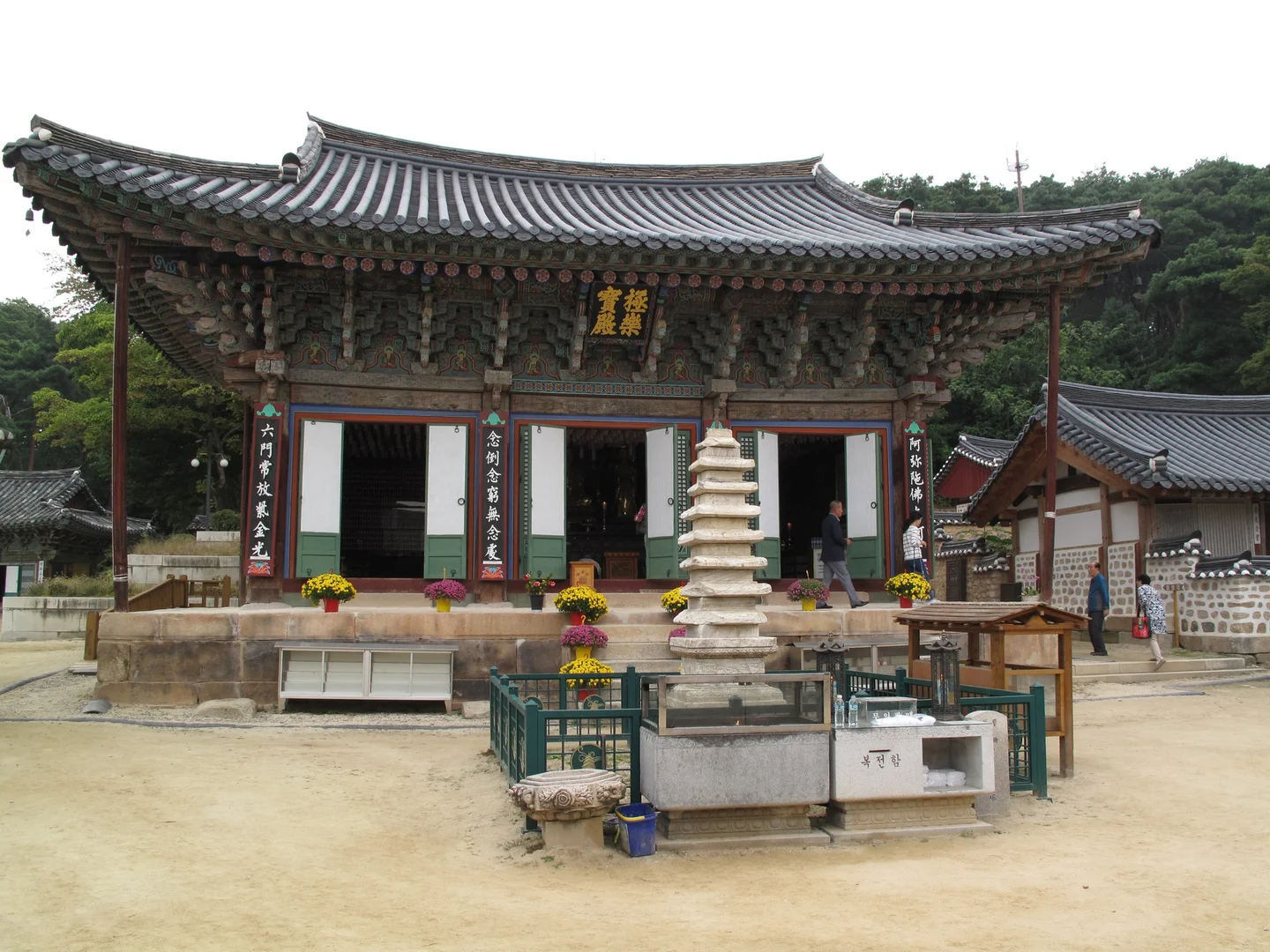
Multi-story stone pagoda in front of Silleuksa Temple Geungnak Preservation Hall

G41rn8 · Original · CC BY-SA 4.0 ·

Source notices and processing details

Multi-story stone pagoda in front of Silleuksa Temple Geungnak Preservation Hall

Photo: G41rn8 · commons.wikimedia.org — Silleuksa Temple - Geungnakbojeon IMG 2188.jpg · CC BY-SA 4.0

WebP conversion; proportionally reduced where needed; no cropping or upscaling.

Processed copies are provided under the same license shown above.

CC BY-SA 4.0 https://creativecommons.org/licenses/by-sa/4.0 · 저작자 표시 필수 · 동일조건변경허락(변경 시 같은 라이선스)

360 × 270: Existing supplied proportional WebP rendition; no new crop, resize, upscaling, distortion or synthesis in this connection batch.

720 × 540: Existing supplied proportional WebP rendition; no new crop, resize, upscaling, distortion or synthesis in this connection batch.

1440 × 1080: Existing supplied proportional WebP rendition; no new crop, resize, upscaling, distortion or synthesis in this connection batch.

The main worship hall is Geungnakbojeon, dedicated to Amitabha Buddha. Its painted brackets, curved roof, and wooden doors reward a close look, but first stand back in the courtyard to take in the building with the pale pagoda in front. The two give the space its balance: a broad timber hall behind a slender stack of carved stone. On signs, seoktap means a stone pagoda and jeontap means a brick pagoda. Keeping those terms in mind makes it easier to distinguish the courtyard monument from the larger tower by the river. The difference is more than color: large carved stone elements create one rhythm, while repeated courses of small bricks create another. Worship continues inside the halls, so keep the central approach clear when people are praying.

Naong’s Memorials and the Old Juniper
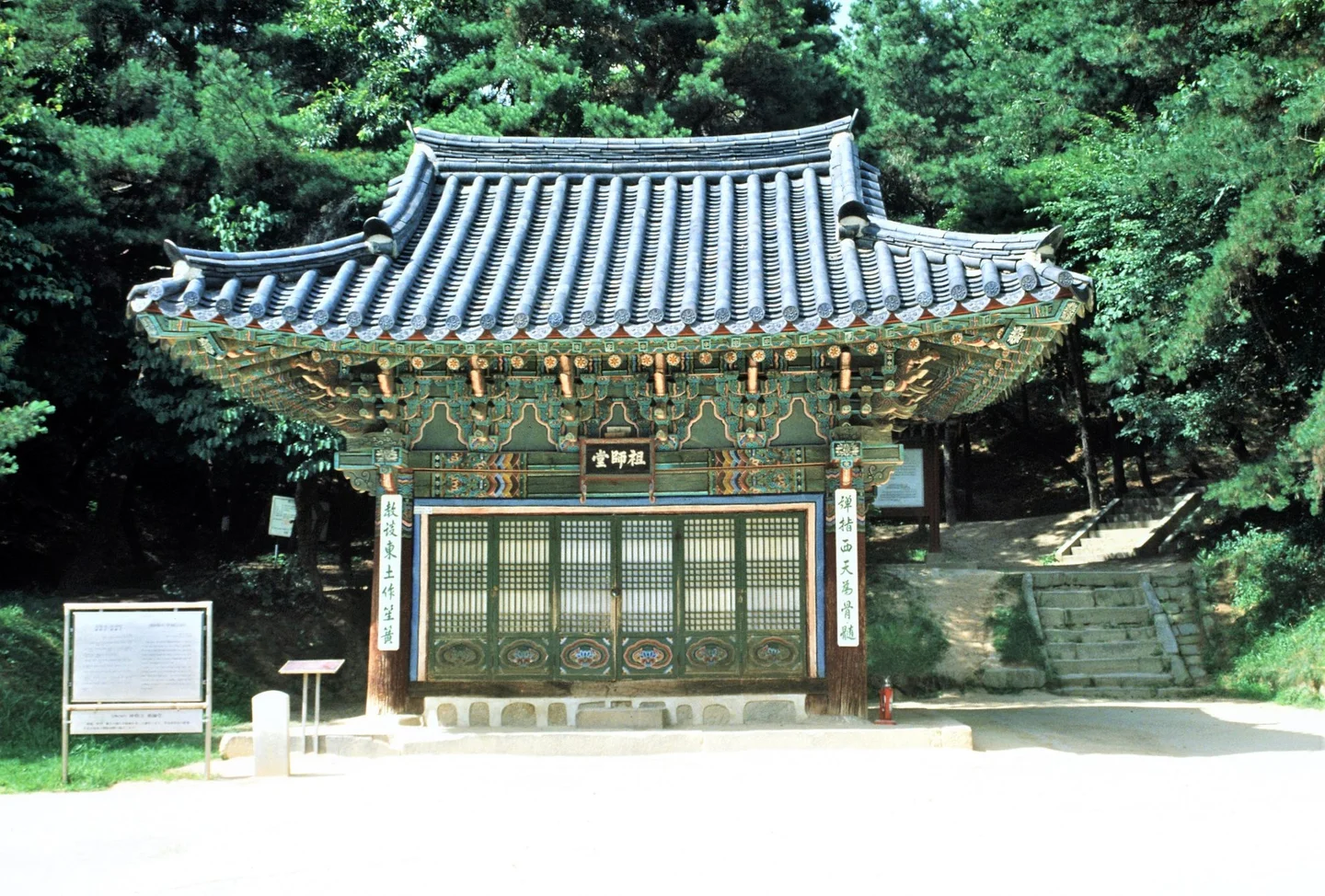
Silleuksa Temple Josadang with small facade and decorative roof

Academy of Korean Studies/Namhae Yu · Original · KOGL Type 1 ·

Source notices and processing details

Silleuksa Temple Josadang with small facade and decorative roof

Photo: Academy of Korean Studies/Namhae Yu · commons.wikimedia.org — Encykorea-여주 신륵사 조사당 정면.jpg · KOGL Type 1

WebP conversion; proportionally reduced where needed; no cropping or upscaling.

KOGL Type 1 http://www.kogl.or.kr/info/licenseType1.do · 공공누리 제1유형 · 출처표시 필수 · 상업적 이용·변경 가능

360 × 243: Existing supplied proportional WebP rendition; no new crop, resize, upscaling, distortion or synthesis in this connection batch.

720 × 487: Existing supplied proportional WebP rendition; no new crop, resize, upscaling, distortion or synthesis in this connection batch.

1440 × 974: Existing supplied proportional WebP rendition; no new crop, resize, upscaling, distortion or synthesis in this connection batch.

Josadang is much smaller than the main hall, with a surprisingly substantial roof over its compact front. It honors the monks Jigong, Naong, and Muhak. The distinction is useful for a first temple visit: a hall housing a Buddha image and a shrine remembering Buddhist teachers have different roles, even when their painted woodwork looks related.
Bell-shaped Bojejonjaseokjong on a wide base

Jocelyndurrey · Original · CC BY-SA 4.0 ·

Source notices and processing details

Bell-shaped Bojejonjaseokjong on a wide base

Photo: Jocelyndurrey · commons.wikimedia.org — 여주 신륵사 보제존자 석종.JPG · CC BY-SA 4.0

WebP conversion; proportionally reduced where needed; no cropping or upscaling.

Processed copies are provided under the same license shown above.

CC BY-SA 4.0 https://creativecommons.org/licenses/by-sa/4.0 · 저작자 표시 필수 · 동일조건변경허락(변경 시 같은 라이선스)

360 × 202: Existing supplied proportional WebP rendition; no new crop, resize, upscaling, distortion or synthesis in this connection batch.

720 × 404: Existing supplied proportional WebP rendition; no new crop, resize, upscaling, distortion or synthesis in this connection batch.

1440 × 808: Existing supplied proportional WebP rendition; no new crop, resize, upscaling, distortion or synthesis in this connection batch.

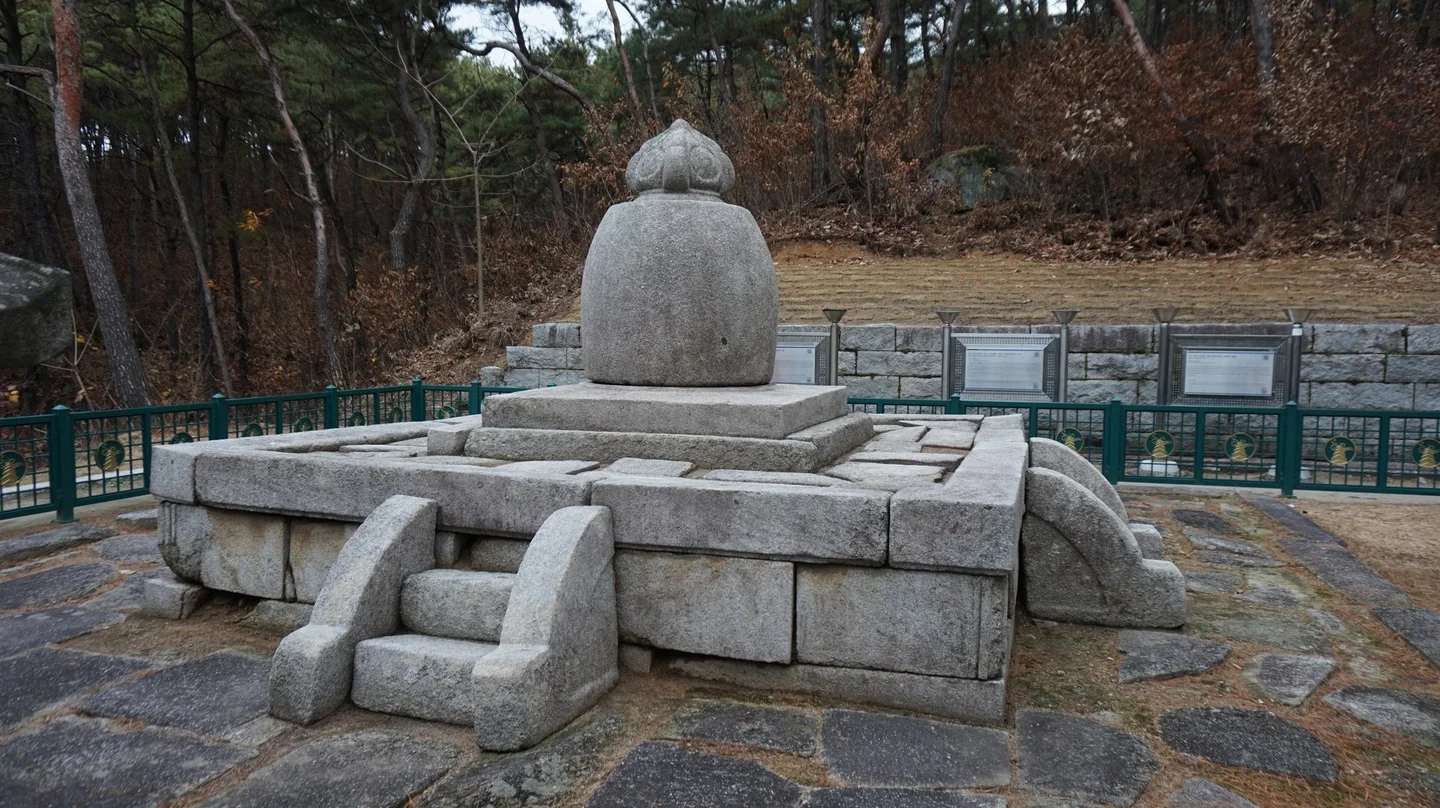
The steps behind Josadang lead up to Naong’s memorial stupa, completed in 1379. Its official name, Bojejonja Seokjong, refers to its bell-like stone form. This is a reliquary monument, not a bell to be rung. The smooth rounded body sits on a broad stone platform, quite unlike the layered pagodas elsewhere in the grounds. Look at the surrounding arrangement as well as the central monument. A carved stone lantern and an inscribed stele form part of the memorial group. Together they turn a wooded hillside into a place of remembrance, with much of the visual interest coming from the spacing and contrasting shapes of the stonework. This is the main optional uphill detour. Visitors avoiding stairs can concentrate on the lower courtyard and accessible portions of the approach rather than treating every monument as essential. The pavilion’s rocky setting also involves changes in level, so a relatively gentle temple entrance does not mean the entire visit is step-free.
Silleuksa juniper tree with wide branches

Jocelyndurrey · Original · CC BY-SA 4.0 ·

Source notices and processing details

Silleuksa juniper tree with wide branches

Photo: Jocelyndurrey · commons.wikimedia.org — 신륵사 내에 향나무.JPG · CC BY-SA 4.0

WebP conversion; proportionally reduced where needed; no cropping or upscaling.

Processed copies are provided under the same license shown above.

CC BY-SA 4.0 https://creativecommons.org/licenses/by-sa/4.0 · 저작자 표시 필수 · 동일조건변경허락(변경 시 같은 라이선스)

360 × 202: Existing supplied proportional WebP rendition; no new crop, resize, upscaling, distortion or synthesis in this connection batch.

720 × 404: Existing supplied proportional WebP rendition; no new crop, resize, upscaling, distortion or synthesis in this connection batch.

1440 × 808: Existing supplied proportional WebP rendition; no new crop, resize, upscaling, distortion or synthesis in this connection batch.

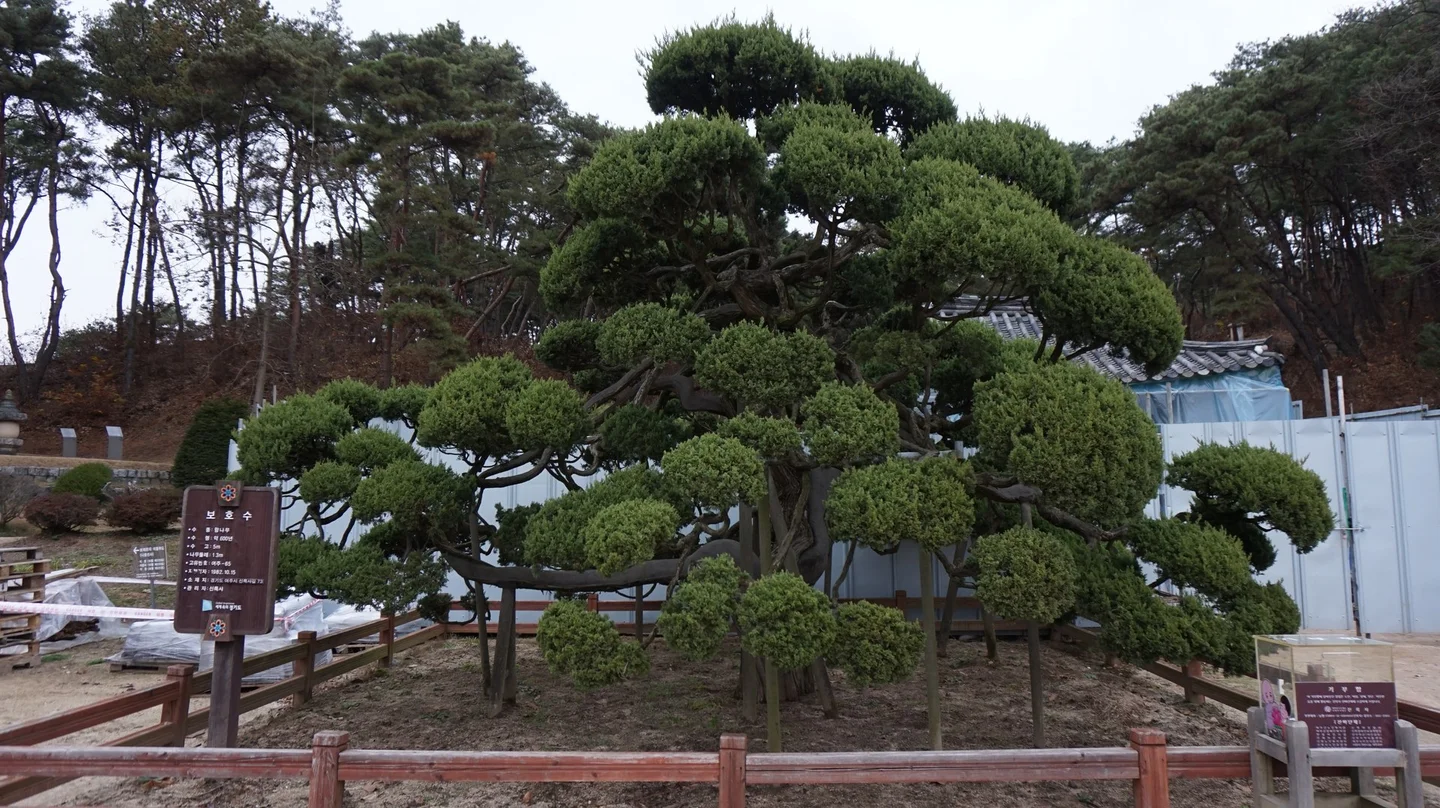
Back near the buildings, the old juniper draws attention through its wide, twisting branches and carefully supported crown. It has a presence quite different from a neatly upright garden tree. The temple’s mix of living trees, timber buildings, and stone memorials is especially apparent here, without needing to assign an exact age to every feature.

Gangwolheon and the Riverside Brick Pagoda
Gangwolheon and three-story stone pagoda on the rocks of the Namhan River

Jocelyndurrey · Original · CC BY-SA 4.0 ·

Source notices and processing details

Gangwolheon and three-story stone pagoda on the rocks of the Namhan River

Photo: Jocelyndurrey · commons.wikimedia.org — 여주 신륵사 삼층석탑 (1).JPG · CC BY-SA 4.0

WebP conversion; proportionally reduced where needed; no cropping or upscaling.

Processed copies are provided under the same license shown above.

CC BY-SA 4.0 https://creativecommons.org/licenses/by-sa/4.0 · 저작자 표시 필수 · 동일조건변경허락(변경 시 같은 라이선스)

360 × 202: Existing supplied proportional WebP rendition; no new crop, resize, upscaling, distortion or synthesis in this connection batch.

720 × 404: Existing supplied proportional WebP rendition; no new crop, resize, upscaling, distortion or synthesis in this connection batch.

1440 × 808: Existing supplied proportional WebP rendition; no new crop, resize, upscaling, distortion or synthesis in this connection batch.

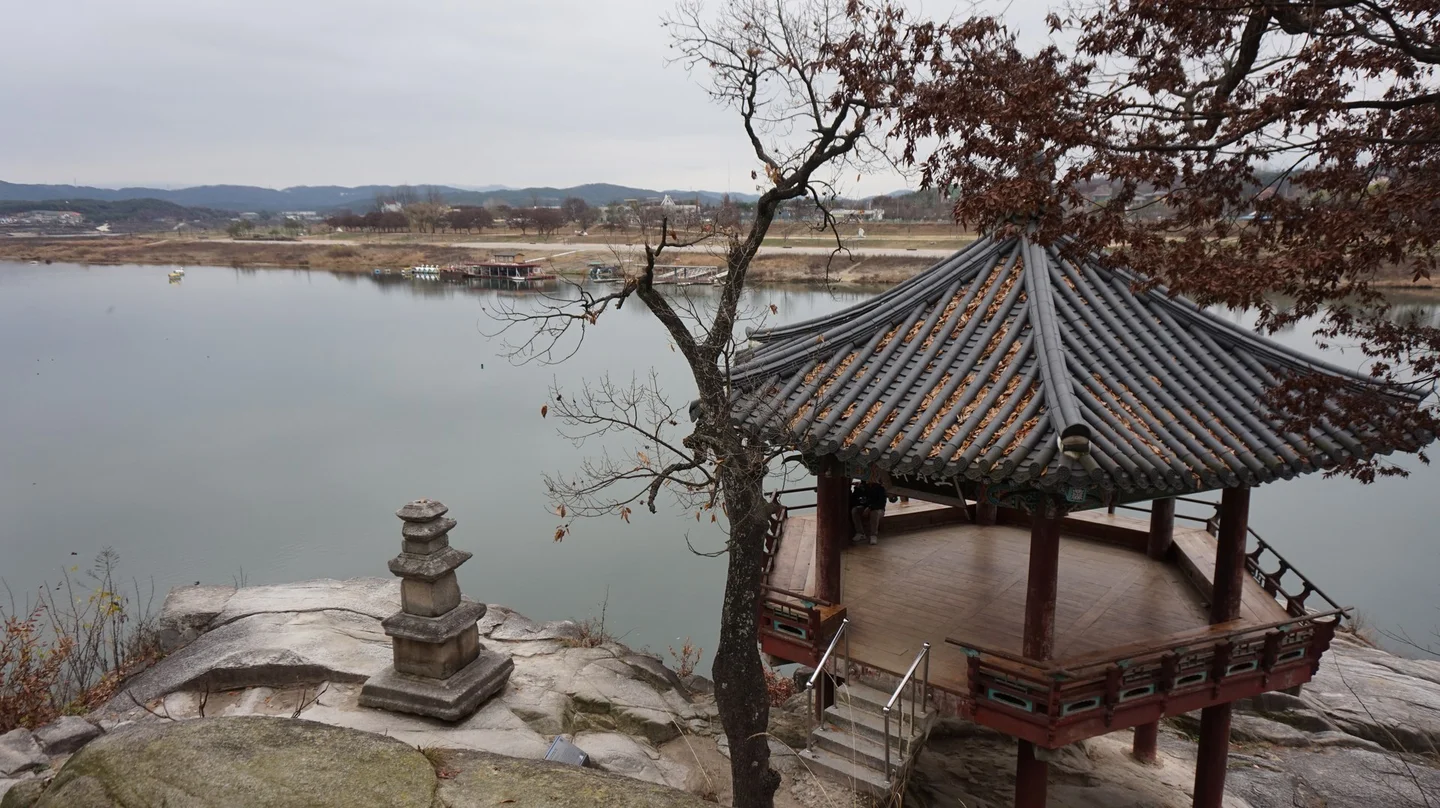
Gangwolheon is the wooden pavilion overlooking the Namhangang, also known locally as the Yeogang. Beside it stands a small three-story stone pagoda on the rock. The contrast with the inner courtyard is immediate: open water replaces enclosing buildings, and the opposite bank becomes part of the view. The pavilion and the nearby brick pagoda are separate landmarks, so leave time for both. At the brick tower, notice the heavy stone base beneath the much finer courses above it. The monument is generally dated to the Goryeo period, but later repairs affected its appearance. Its unusual upper structure also explains why it is commonly described as a “multistory” pagoda rather than given a simple, universally agreed floor count.
Namhan River seen from the riverside of Silleuksa Temple

Jocelyndurrey · Original · CC BY-SA 4.0 ·

Source notices and processing details

Namhan River seen from the riverside of Silleuksa Temple

Photo: Jocelyndurrey · commons.wikimedia.org — 여주 신륵사 앞 남한강 전경 (2).JPG · CC BY-SA 4.0

WebP conversion; proportionally reduced where needed; no cropping or upscaling.

Processed copies are provided under the same license shown above.

CC BY-SA 4.0 https://creativecommons.org/licenses/by-sa/4.0 · 저작자 표시 필수 · 동일조건변경허락(변경 시 같은 라이선스)

360 × 202: Existing supplied proportional WebP rendition; no new crop, resize, upscaling, distortion or synthesis in this connection batch.

720 × 404: Existing supplied proportional WebP rendition; no new crop, resize, upscaling, distortion or synthesis in this connection batch.

1440 × 808: Existing supplied proportional WebP rendition; no new crop, resize, upscaling, distortion or synthesis in this connection batch.

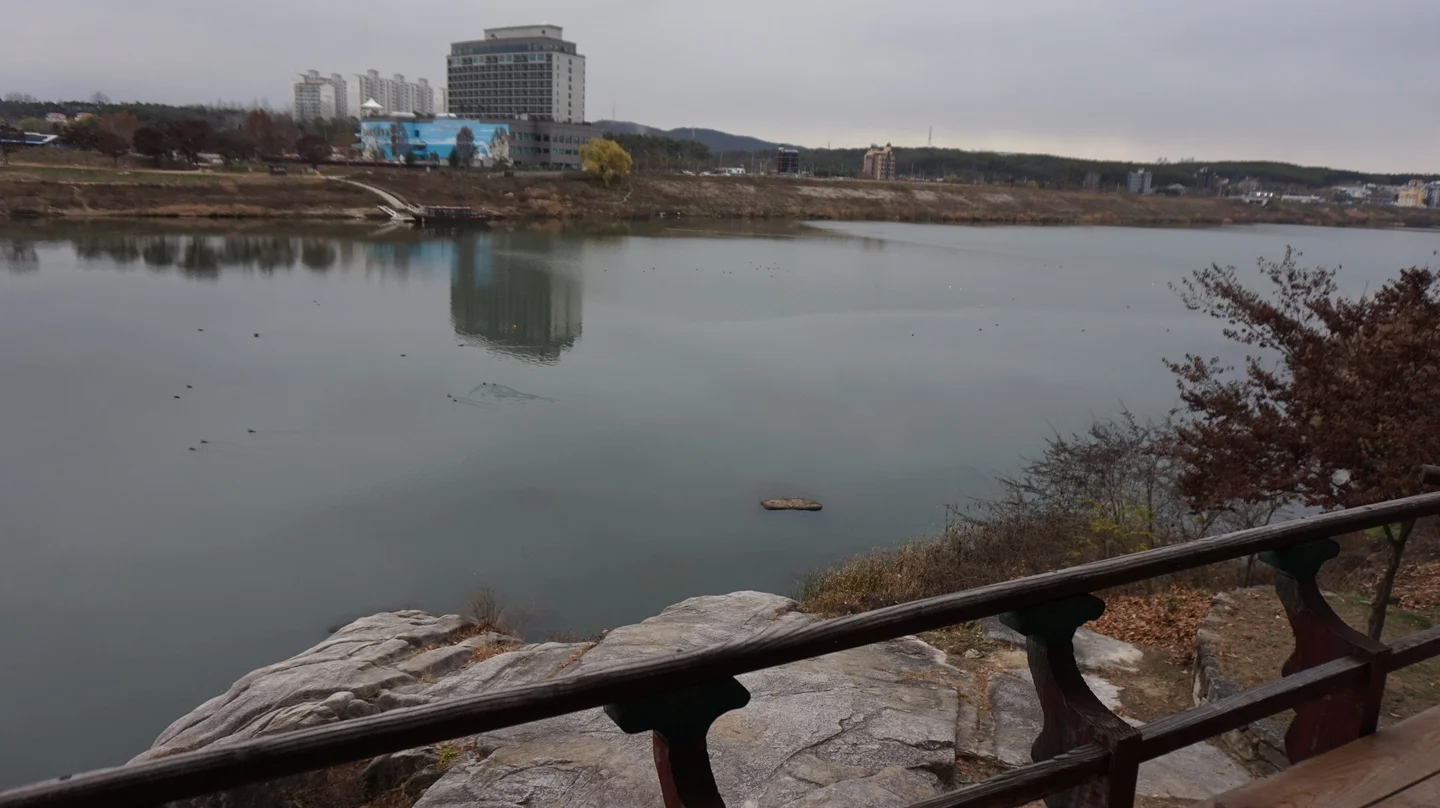
From the river edge, Yeoju remains visible across the water. This is not a temple sealed off from the surrounding town; the river links the sacred precinct to the wider landscape. Stay within the established paths around the rocks and steps. The best view does not require descending to the waterline. Late light can soften the stone and bring warmth to the river, but plan to see the buildings during ordinary daytime access. Temple entry and a sunset photograph are separate timing questions. If sunset falls after the posted visitor cutoff, use an open public riverside area outside the precinct instead of assuming the temple pavilion stays available after dark.

Add Local History or Ceramics

Yeoju Museum, near the approach to the tourist area, is the natural choice for more historical context. Its exhibitions broaden the story from the temple to the city’s people, objects, and everyday life. The Korea Tourism Organization currently lists free admission, a Monday closure, and an earlier 5 p.m. closing in November–February, compared with 6 p.m. in March–October. These hours were checked on October 12, 2026; place the museum before a late temple visit in winter. Dojasesang is the better addition if you want to browse ceramics. The complex combines exhibition spaces with shops carrying everyday tableware, handmade pieces, and smaller gifts. Looking at a bowl as something to use at home is a different pleasure from viewing a historic pagoda: test its weight in your hand and ask about protective packing if it is traveling in your luggage. The ceramics museum’s special exhibitions have their own tickets and calendar. During the current 2026 biennale period, for example, the operator lists paid exhibition entry, so do not assume that walking around the complex includes every gallery. A ceramics stop can simply be a browse through the shops if an exhibition is not your priority.

Getting to Silleuksa from Seoul

Take the Gyeonggang Line to Yeoju Station, then continue by local bus or taxi to Silleuksa. The ceramics complex’s official directions use Yeoju Station Exit 1 and the Silleuksa bus stop; check the next suitable departure rather than relying on a single route number. From the tourist-area entrance, the temple visit continues on foot. For driving, use the Silleuksa tourist-area parking rather than expecting vehicle access to Gangwolheon. Choose one nearby addition after the temple, or visit the museum first if its closing time is the tighter limit. That keeps the day within one manageable riverside area instead of spending it transferring between distant Yeoju sights.

SourcesDirect KTO temple geography and qualified foundation tradition; hours not used due unclear break-time listing: https://english.visitkorea.or.kr/svc/contents/contentsView.do?vcontsId=102284 Direct provincial heritage authority: brick tower materials, uncertain levels, Goryeo dating and later repair: https://gjicp.ggcf.kr/mediaObjects/431 Direct provincial heritage authority: Naong stupa completed1379 and associated stone group: https://gjicp.ggcf.kr/mediaObjects/423 Provincial heritage authority full indexed Josadang proportions, three portraits and royal patronage: https://gjicp.ggcf.kr/mediaObjects/433 Direct cultural-foundation travel account cross-checking mainhall, juniper and pavilion; no old COVID boat service or restaurants inherited: https://ggc.ggcf.kr/p/665bfc070bba25757296b4b8 Direct KTO YeojuMuseum current public visitor information; operator city site proxyerror recorded: https://english.visitkorea.or.kr/svc/whereToGo/locIntrdn/rgnContentsView.do?vcontsId=201057 Direct operator ceramics museum and shops, stationExit1/Silleuksastop,2026biennale paid entry; old free-all assumption excluded: https://gmocca.org/info/yeoju-museum 확인일: 2026-10-12 (Asia/Seoul). 기본 근거: metro-029 한국어 완료 원고의 사실·선택 사진. 영어는 독립 구성·집필.

Travel guide