Jukdo Market, Pohang: What to Eat Between the Fish Stalls and the Harbor
Cramk777 · Original · CC BY-SA 3.0 ·
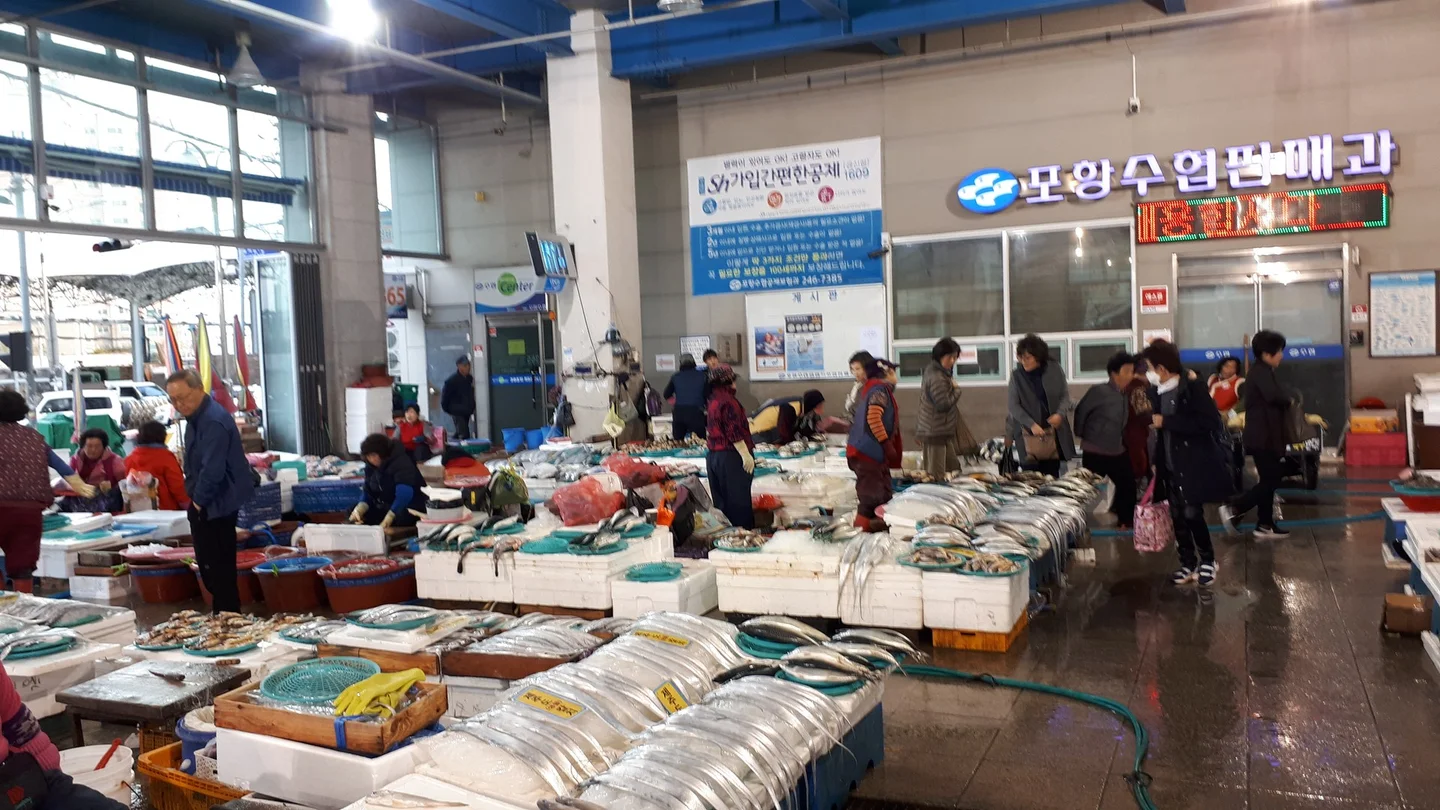
Come to Jukdo Market hungry, with room in the day for an unhurried lunch. This is where a visit to industrial, seafaring Pohang becomes wonderfully edible: silver fish lined up on ice, tanks of seafood, restaurants preparing raw-fish platters, and small places serving steaming bowls of hand-torn noodle soup. The harbor is close enough to add a waterfront walk after eating, but the market deserves the first part of your attention. Jukdo Market, or Jukdo Sijang (죽도시장), is a whole shopping district of connected lanes and buildings. Jukdo Fish Market, called Jukdo Eosijang (죽도어시장), is its seafood-focused section. Search for the latter if fish stalls and a seafood meal are your priority; the broader market also sells grains, dried foods, and household staples. It is a working place to shop rather than a single food hall with a fixed circuit. For a first visit, allow roughly two to three hours for browsing, lunch, and a short look at Dongbin Inner Harbor. Late morning works well if you want to see the stalls before sitting down to eat. The market operates throughout the year, but restaurants and individual vendors keep their own schedules. An evening meal can be excellent; it will not necessarily come with the same choice of open shopping lanes.
Browse beyond the seafood counters
Yagobo79 · Original · Public domain ·
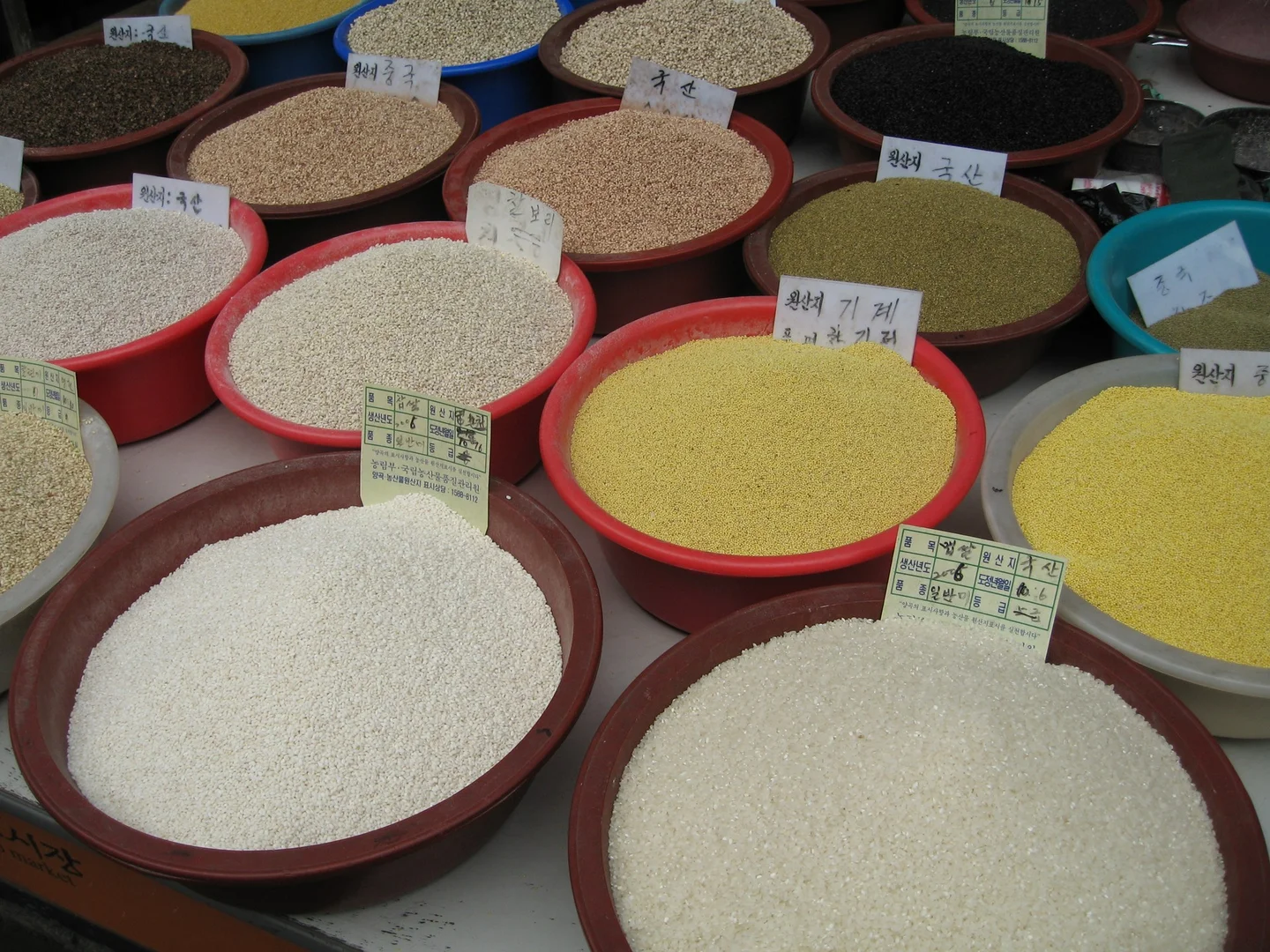
Start with a slow pass through the fish section before choosing where to eat. Whole fish, prepared fillets, shellfish, and crabs invite different kinds of meal, and the price on a sign may be per fish, per kilogram, or per portion. If you want to buy seafood and have it prepared, establish the full arrangement before committing: the seafood price, preparation charge, table service, and whether rice or soup costs extra. Then turn into the dry-goods lanes. Open basins of rice and mixed grains show ingredients that normally disappear into a finished bowl of bap, or cooked rice. Dried-seafood shops offer another view of a Korean kitchen, where fish and other marine ingredients are used for stock as well as eaten on their own. A harbor market handles goods from many places; the origin labels give more useful information than assuming everything was caught just offshore. For visitors staying in a hotel, a sit-down meal is often more practical than a bag of fresh seafood. If you do buy food to take away, ask the vendor about storage and make that purchase near the end of your visit. For an overseas flight, check your destination's food-import rules before buying. Keep a photo or map pin of the entrance you used: several similar-looking lanes can make finding your parked car or bus stop unexpectedly confusing.
Mulhoe, raw fish, or a hot bowl of sujebi?
Mulhoe (물회) is a particularly good introduction to Pohang food. It combines sliced raw fish with vegetables and a chili-based seasoning. The city's traditional gochujang-style version can arrive without a large pool of chilled broth: fish, vegetables, sesame oil, and red pepper paste are mixed together. Other restaurants serve a more soupy version. Ask how the restaurant recommends eating its bowl rather than pouring in every accompaniment immediately. For a shared seafood lunch, hoe (회), sliced raw fish, is the obvious choice. Tell the vendor how many people are eating and whether you want a full meal or a smaller tasting plate. With crab, confirm the weight and total price including steaming and any restaurant charge. These questions are more useful than looking for a universal “market price,” especially when size and species differ from stall to stall. If raw fish is not your thing, look for sujebi (수제비), soup with irregular pieces of hand-torn wheat dough, or jeonbokjuk (전복죽), abalone rice porridge. Sujebi gives you a hot, comparatively simple lunch among the seafood feasts; abalone porridge offers a softer texture and a different way to taste the coast. A plain-looking soup is not necessarily vegetarian, so ask about the stock if that matters to your diet. Winter brings gwamegi (과메기), Pohang's semi-dried fish specialty. It is often eaten with seaweed, vegetables, and sauce, whose crisp textures balance the fish. Check what comes with an order, particularly when buying a takeaway pack. For a solo visit, a restaurant selling individual mulhoe, porridge, or sujebi portions is an easier starting point than committing to a large fish platter.
Step out to Dongbin Inner Harbor
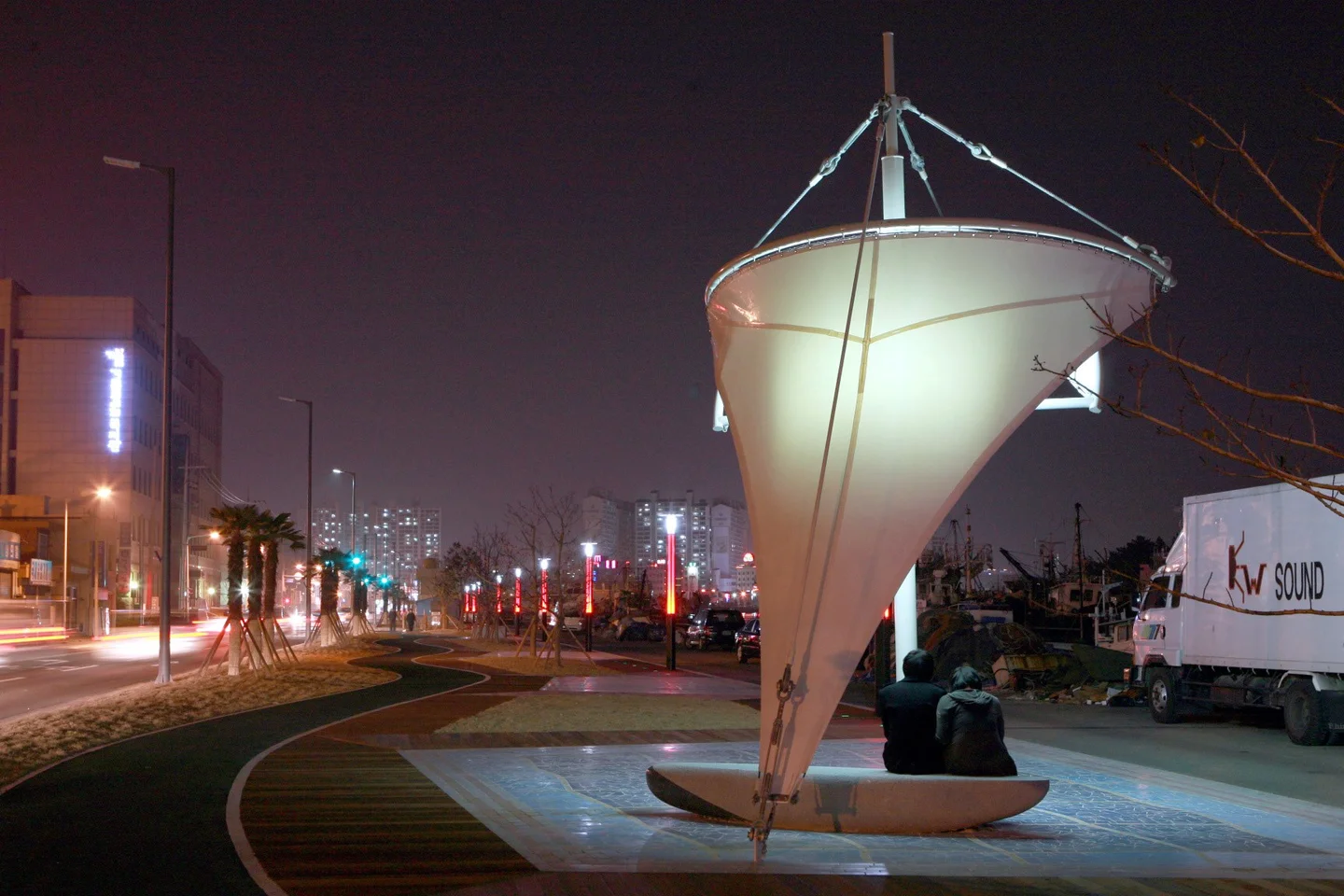
After lunch, head toward Dongbin Inner Harbor, or Dongbin Naehang (동빈내항). The atmosphere changes quickly from close-packed market counters to boats, quays, and a wider view of Pohang's buildings. Fishing vessels and working waterfront spaces make this a different experience from the open sand and sea at Yeongildae Beach. Choose the public waterfront path for a short out-and-back stroll. The boat berths are working areas, so stay on the pedestrian side rather than following steps down to mooring equipment. At dusk, reflections and street lights add another layer to the harbor scene. If your main interest is a beach café or an open-ocean promenade, make Yeongildae a separate onward stop instead of stretching a short harbor walk into an improvised citywide route.
Add Pohang Canal, with or without a cruise
Dlcl5213 · Original · CC BY-SA 4.0 ·
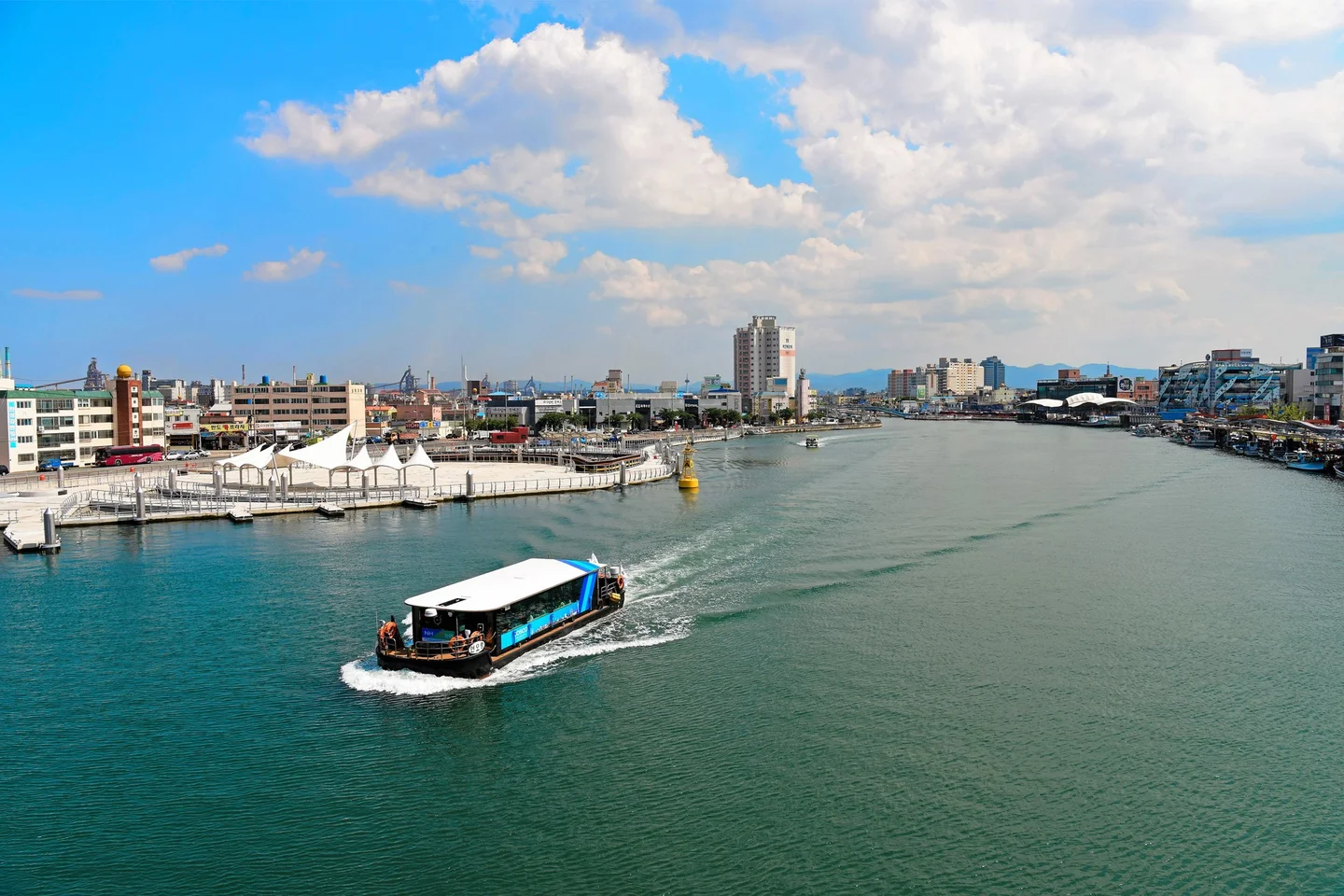
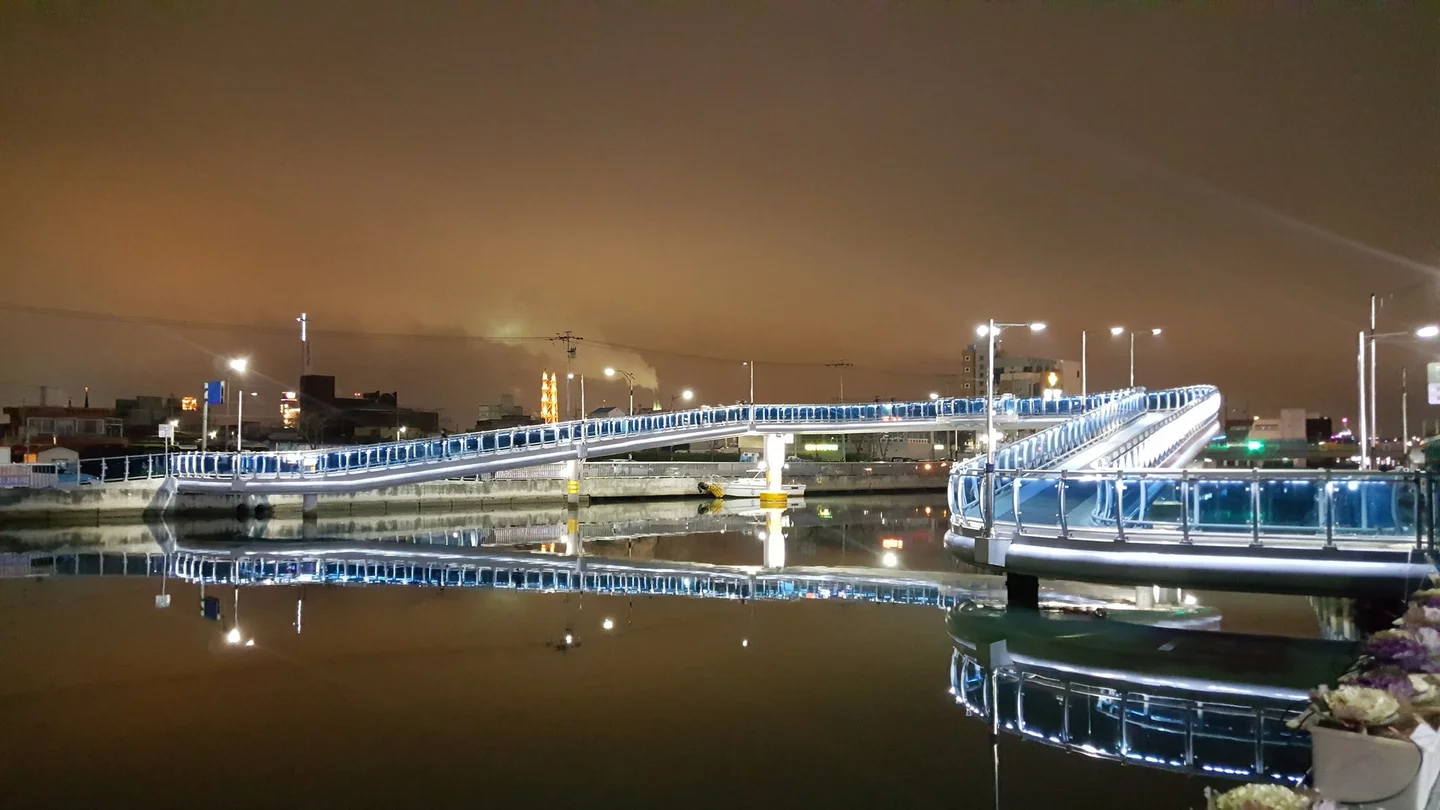
Pohang Canal extends the waterfront outing, with walking paths, bridges, and a visitor building that explains the restored waterway. Search separately for Pohang Canal Hall, Pohang Unhagwan (포항운하관), when planning a boat trip. The cruise ticket office and boarding point are there, not at whichever quay is closest to the market exit. The operator's boarding guide, checked in October 2026, asks passengers to show identification when buying a ticket and complete a boarding form. The operator's pages disagree about the ticket counter: the facilities page lists the first-floor plaza, while the boarding guide says the third floor. Go to Canal Hall and follow the current ticket-counter signs, or call 054-253-4001 before arrival. Boarding itself is on the first floor. Leave time for this process as well as the journey from the market. Current sailings depend on weather and canal water levels; check the operator's departure information before traveling over specifically for a cruise.
Choi2451 · Original · CC BY-SA 3.0 ·
A canal walk is also worthwhile on its own. Pedestrian bridges open up views along the water, and the Canal Hall has exhibitions and an elevated outlook. Its indoor rules exclude outside food and pet dogs, a useful detail if you have just bought market takeout. For a relaxed half-day, choose either the canal extension or Yeongildae after lunch, then arrange your bus or taxi back to Pohang Station or your accommodation from that final stop.