Seochon and Tongin Market: Market Lunches, Neighborhood Lanes and Mountain Views
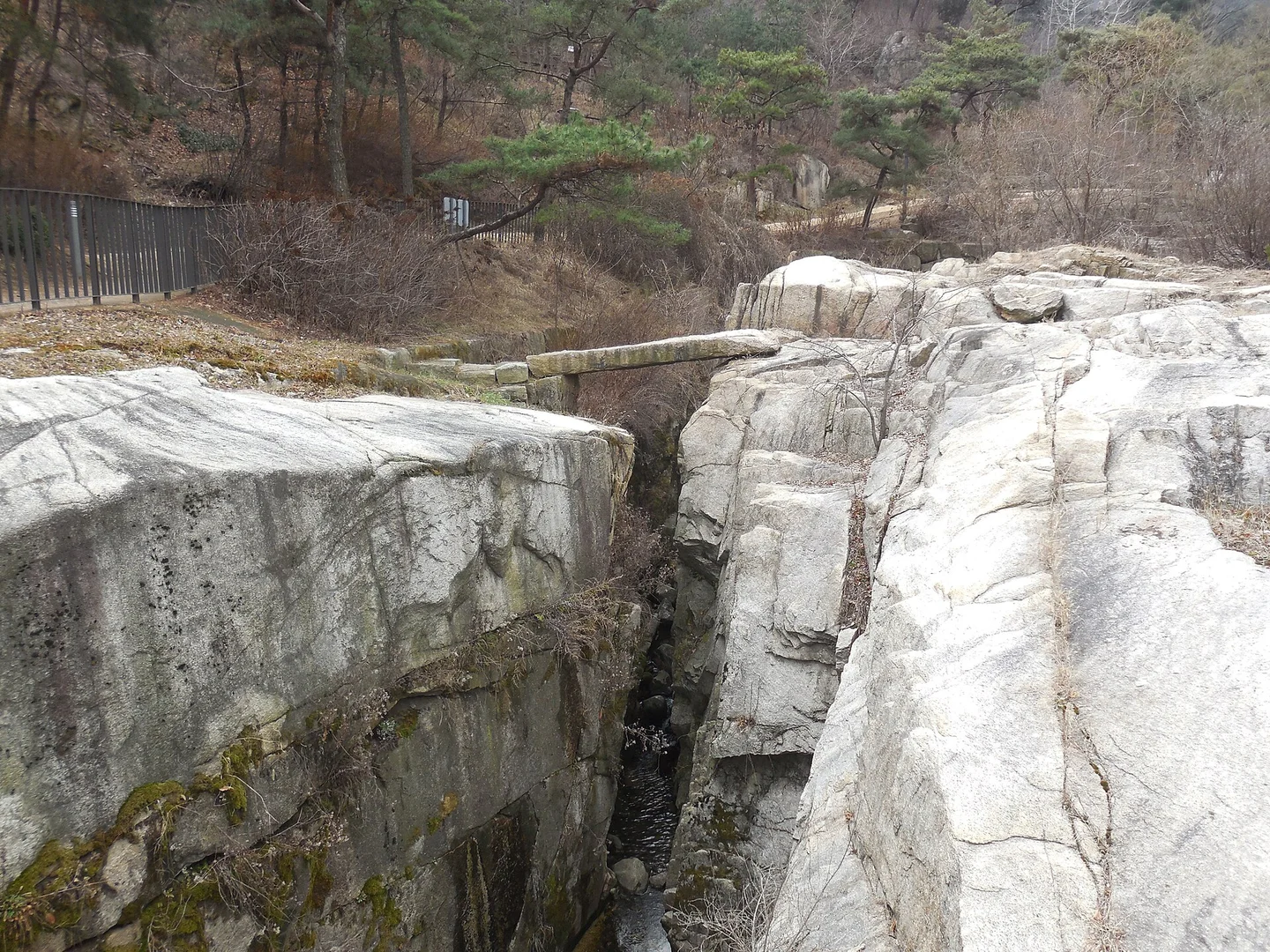
West of Gyeongbokgung Palace, lunch can lead to a small rocky valley without ever leaving central Seoul. That's the appeal of Seochon: a food market, independent shops and lived-in streets sit close to the lower slopes of Inwangsan. Come for a neighborhood afternoon with something good to eat, then follow the streets uphill as storefronts give way to trees and exposed rock. For a manageable first visit, start at Tongin Market, explore the lanes of Ogin-dong and finish at Suseongdong Valley. Yoon Dong-ju Literature Museum and Poet's Hill make a worthwhile northern extension if you want more walking or have an interest in literature and architecture. The Inwangsan summit is a separate hike, so decide early whether this is a browsing day or a mountain day.
Getting to Seochon and finding your bearings
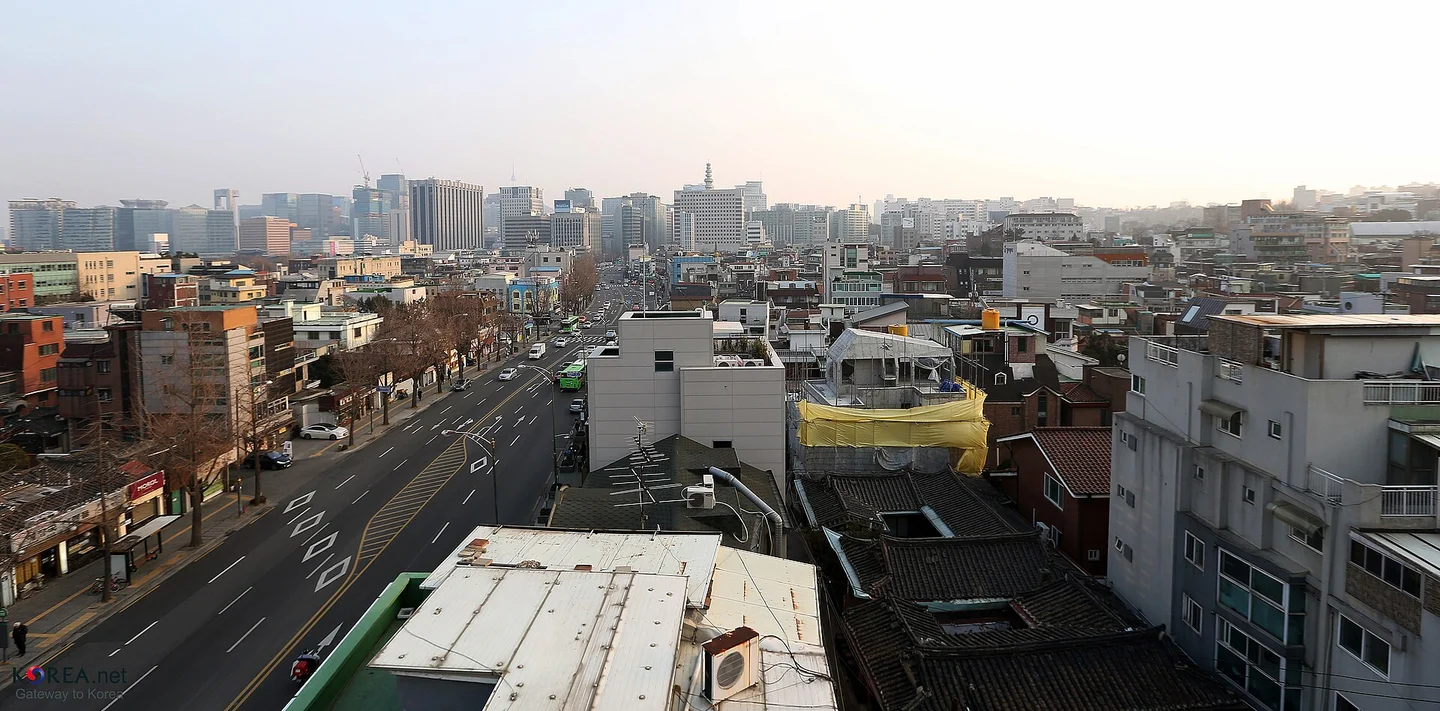
Republic of Korea from Seoul, Republic of Korea · Original · CC BY-SA 2.0 ·
Gyeongbokgung Station on Line 3 is the useful starting point. Walk north along Jahamun-ro toward Tongin Market, then branch into the smaller streets to the west. If you're coming from the palace, plan your exit around its western side rather than automatically returning to the main entrance and retracing your route. Seochon isn't one uniformly preserved hanok village. Traditional tiled roofs share the neighborhood with modest apartment buildings, workshops, cafes and newer storefronts. That mixture gives the walk its character. A short detour can take you from a busy bus route to a lane of low houses, then back to a bakery or small gallery. Use the market and Suseongdong Valley as anchors, leaving room between them to stop where something catches your interest. Narrow residential lanes don't always connect through; a closed gate or a dead end is simply a reason to turn back. Keeping the main route loose works better here than trying to photograph every lane on a checklist.
How the Tongin Market lunch-box experience works
ChoiSojeong · Original · CC BY-SA 4.0 ·
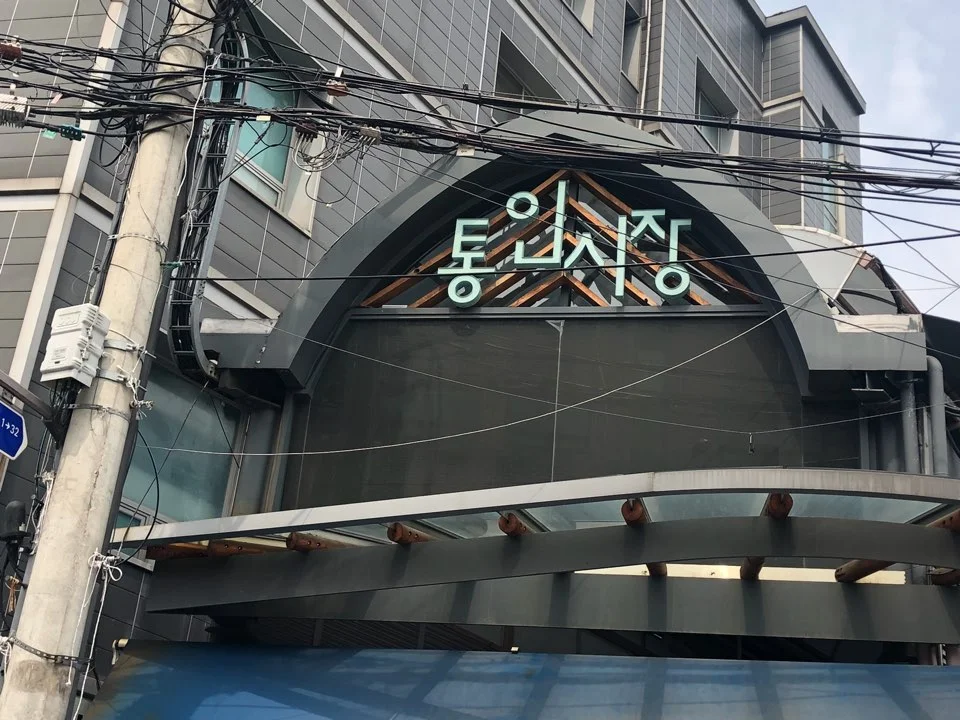
Tongin Market's best-known meal is one you assemble yourself. At the Dosirak Cafe service point, get a tray and the yeopjeon tokens used for the lunch-box program. Take the tray to participating vendors, exchange tokens for small portions and combine several dishes into your own lunch. The tokens are part of this market activity, not spending money you can use around Seoul. Look for participating-stall signs rather than assuming every shop accepts them. A mix of rice, vegetables and one or two richer dishes makes a more balanced lunch than filling the whole tray with fried snacks. Gimbap, bite-size seaweed rice rolls, is an easy option; dakgangjeong is crisp chicken coated in a sweet sauce. Choices depend on what the stalls are serving that day. Gireum tteokbokki is especially associated with Tongin. These rice cakes are tossed and fried in oil, producing a chewy, lightly crisp dish with far less sauce than the soupy red tteokbokki common elsewhere. It's worth trying even if you've already eaten tteokbokki on this trip. The lunch-box program has its own operating schedule, separate from the market's general trading hours. Plan around the program if using the tokens is important to you, and check the current notice before exchanging money. When it's unavailable, you can still buy food normally from open vendors. Use the designated eating area for the assembled lunch rather than carrying a full tray through the crowded aisle. After eating, head west into Ogin-dong toward Suseongdong Valley. The valley is a compact landscape of pale rock, pine trees and the narrow Giringyo stone bridge. Water flow changes with the weather; the setting is still interesting when the stream is slight. Stay on the designated paths instead of scrambling over wet rock. This is a natural turnaround point for a shorter Seochon outing.
A northern extension: Yoon Dong-ju Literature Museum
Korea.net / Korean Culture and Information Service (Jeon Han) · Original · CC BY-SA 2.0 ·
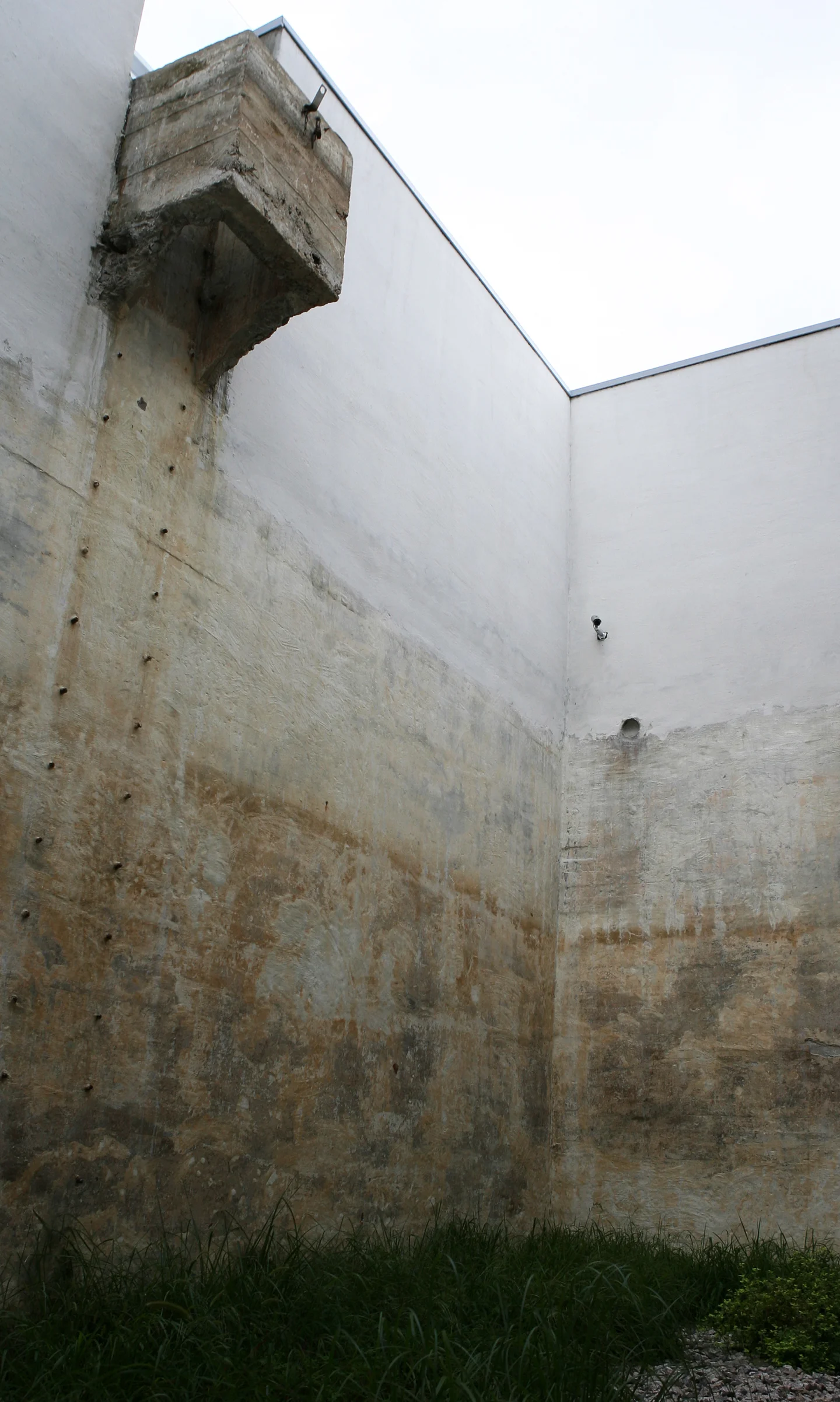
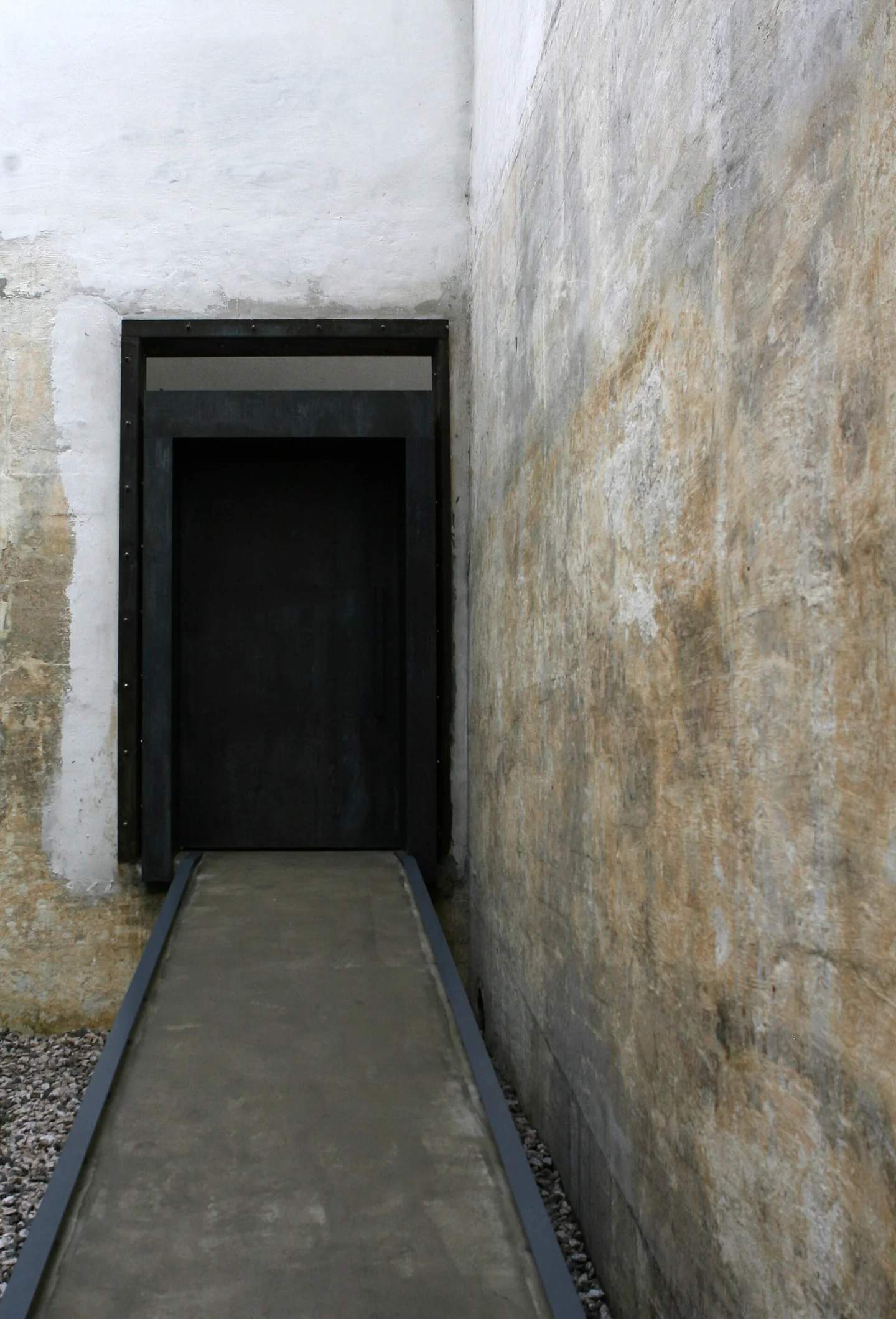
Yoon Dong-ju Literature Museum is farther north and uphill from the market. Walk there if you want to explore more of the neighborhood, or use the Jahamungogae–Yoon Dong-ju Poet's Hill bus stop to save your energy for the area around the museum. A route through Cheongun Park adds greenery but also more climbing. The museum occupies a former water-pumping station and its tanks. It introduces the poet through photographs and reproductions of his handwritten work, with an architectural experience that also makes sense for visitors unfamiliar with Korean poetry. Inside the former water tanks
Korea.net / Korean Culture and Information Service (Jeon Han) · Original · CC BY-SA 2.0 ·
One tank has been opened to the sky, leaving a courtyard enclosed by weathered concrete. Another remains enclosed and is used to screen a film about the poet. Moving between the bright exhibition room, open-air space and darker chamber makes the building as memorable as the exhibits. As checked on October 12, 2026, the museum closes on Mondays and pauses visits from 1:30 to 2 p.m. Photography is allowed only in the second exhibition space. Restrooms are in nearby Cheongun Park, not inside the museum.
Poet's Hill or a full Inwangsan hike?
Korea.net / Korean Culture and Information Service (Jeon Han) · Original · CC BY-SA 2.0 ·
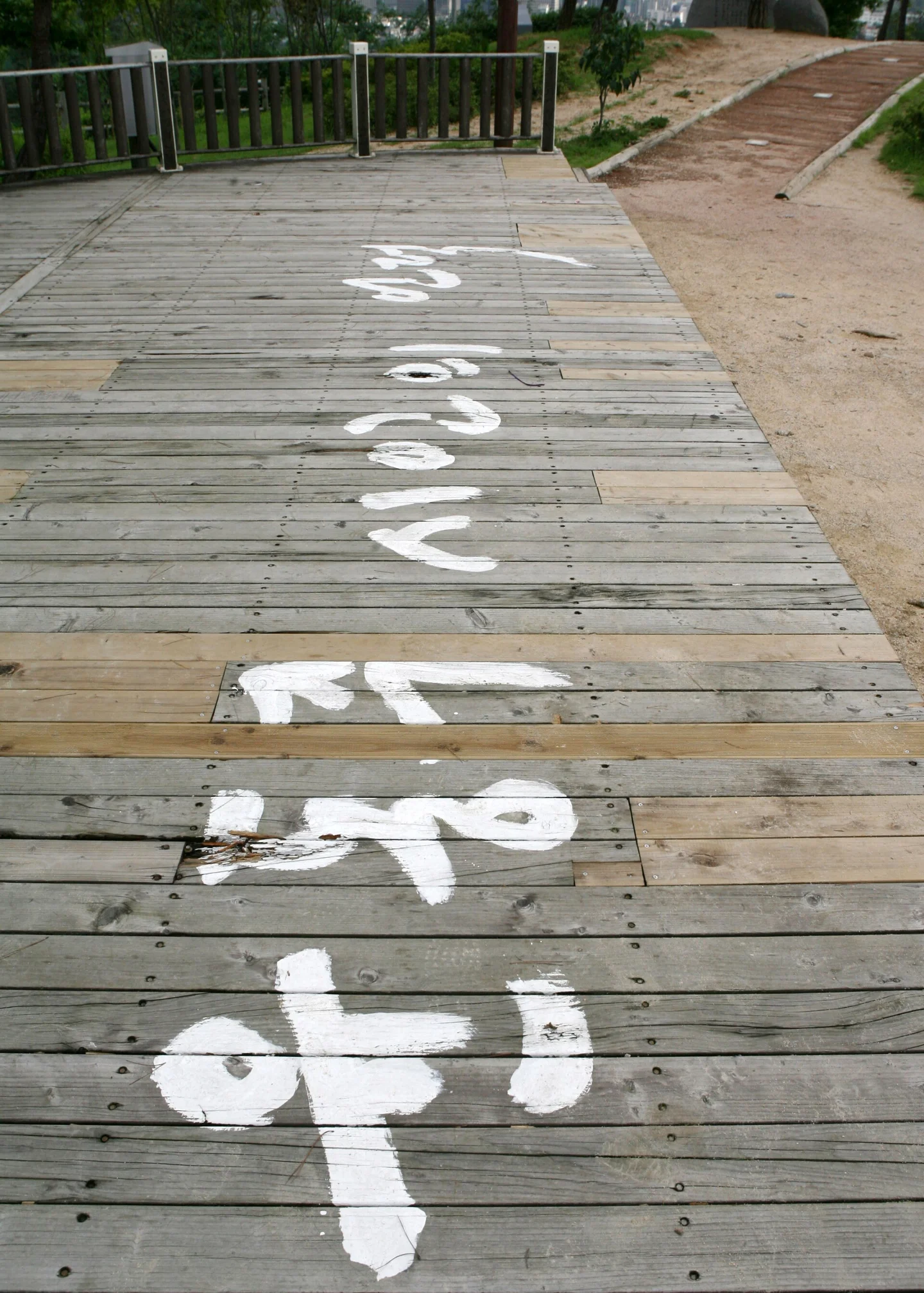
Steps beside the museum lead toward Poet's Hill, where paths continue through the hillside landscape. This is a good way to extend the museum visit without committing to the Inwangsan summit. There are still inclines and steps, so it isn't simply a flat park stroll. You can finish toward Changuimun and take a bus back toward Gyeongbokgung instead of walking the whole route in reverse. Save the summit for a hiking plan
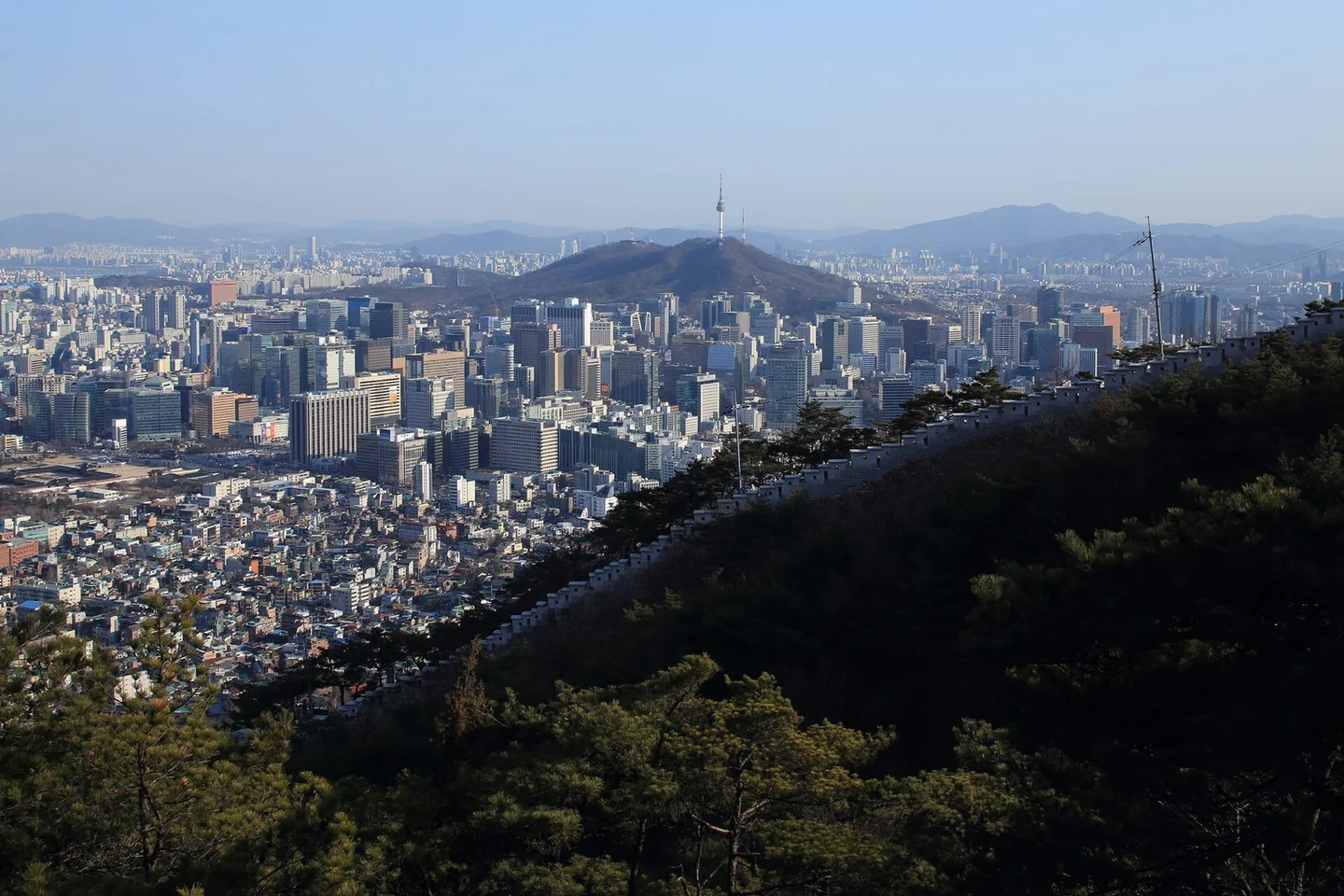
Higher on Inwangsan, the city wall runs across exposed slopes and opens up broad views over central Seoul toward Namsan. Reaching those views involves steep steps and rocky ground beyond the easy market-and-valley outing. Carry water, wear shoes with grip and leave enough daylight for the descent. Check the trail notice before setting out, particularly after heavy rain or during weather-related restrictions. For most casual visitors, Tongin Market and Suseongdong Valley already make a satisfying combination: a distinctive lunch, an unhurried look at Seoul's smaller streets and a little mountain scenery. Add the museum for its literary history and converted industrial spaces; choose the summit when the climb itself is the point of the afternoon.