Seoul Children’s Grand Park: A Family Day with Room to Roam

어색하고좋은 · Original · CC BY-SA 4.0 ·
A morning of animals, a picnic under the trees and perhaps a few rides: Seoul Children’s Grand Park makes a family day easy to scale up or down. The park and zoo are free, so there’s no expensive all-day ticket pushing you to stay after everyone has had enough. Its broad paths and greenery are equally appealing if you’re traveling without children and want an unhurried break in eastern Seoul. The attraction is the combination. A child can watch waterbirds, try hands-on science at Seoul Children’s Museum or head for the amusement rides, with outdoor space between activities. Choose the part that matters most to your family, then build around it. Two to four hours is a useful starting allowance for a park-and-zoo visit; a booked museum session or a succession of rides can comfortably fill much more of the day. Those are planning suggestions, rather than fixed tour lengths. Search for “Seoul Children’s Grand Park” or 어린이대공원 when navigating. It’s in Gwangjin-gu, and it’s a different destination from Seoul Grand Park in Gwacheon. The similar English names are an easy way to end up on the wrong subway line.
Choose your entrance around your first stop
Integral · Original · CC BY-SA 3.0 ·
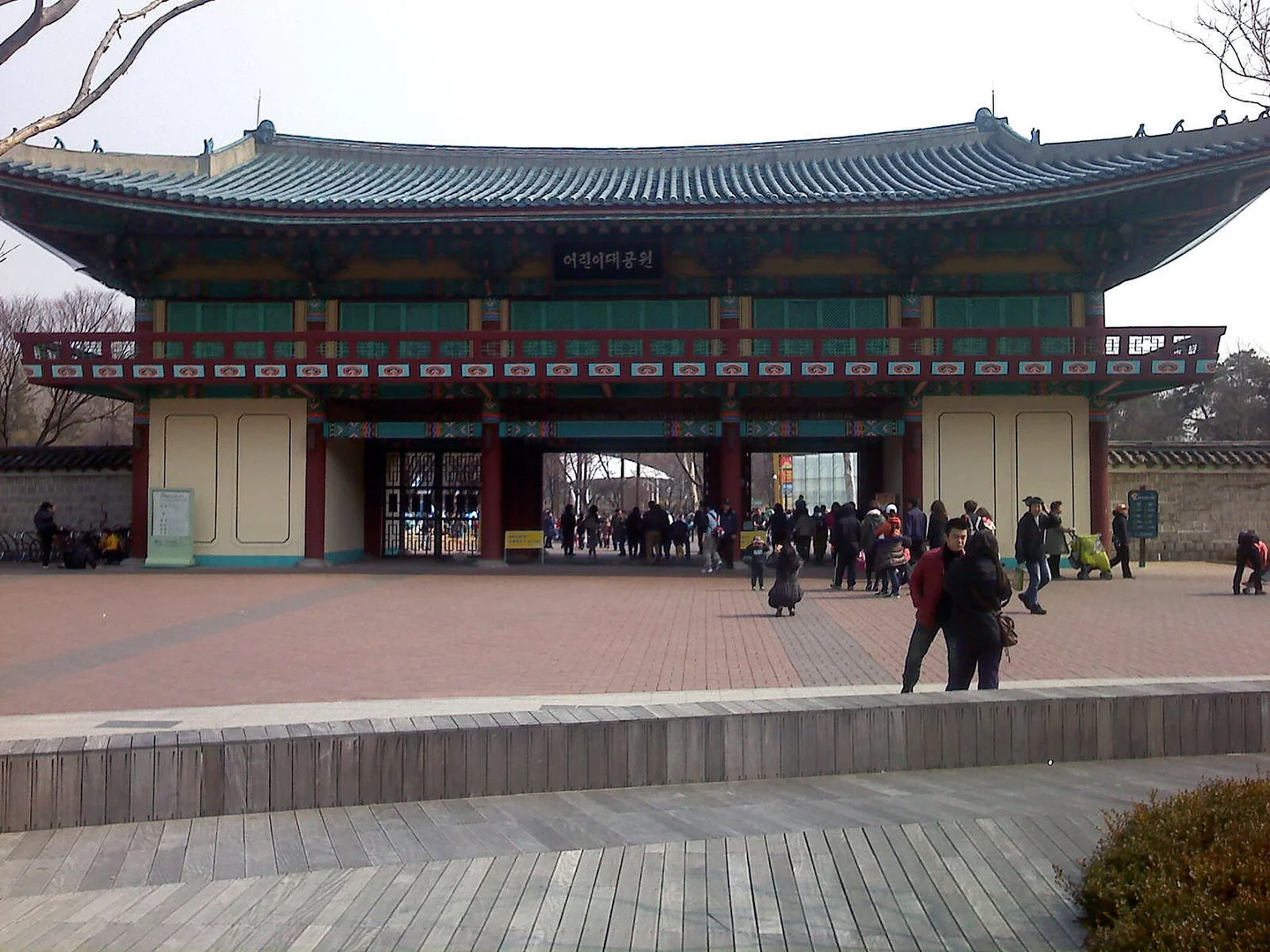
For the main entrance, use Children’s Grand Park Station on Line 7, Exit 1. This is the convenient approach for Seoul Children’s Museum. Achasan Station on Line 5, Exit 4, serves the rear entrance, closer to the amusement-park side. You can arrive through one and leave through the other, which is especially useful when your hotel is better connected to a different line. Decide on a gate name when meeting friends. “Outside the park” covers too much ground here. Inside, use the entrance map to link your chosen facilities rather than trying to follow every branching path. A direct crossing and a walk with a child who stops at each animal enclosure are two very different outings. The park’s published hours, checked October 12, 2026, are 5 a.m.–10 p.m. Those long hours apply to the grounds, not to all the attractions. An early walk can be lovely, but arrive from 10 a.m. onward if seeing the zoo is the main reason for your trip.
A zoo visit that leaves time to look
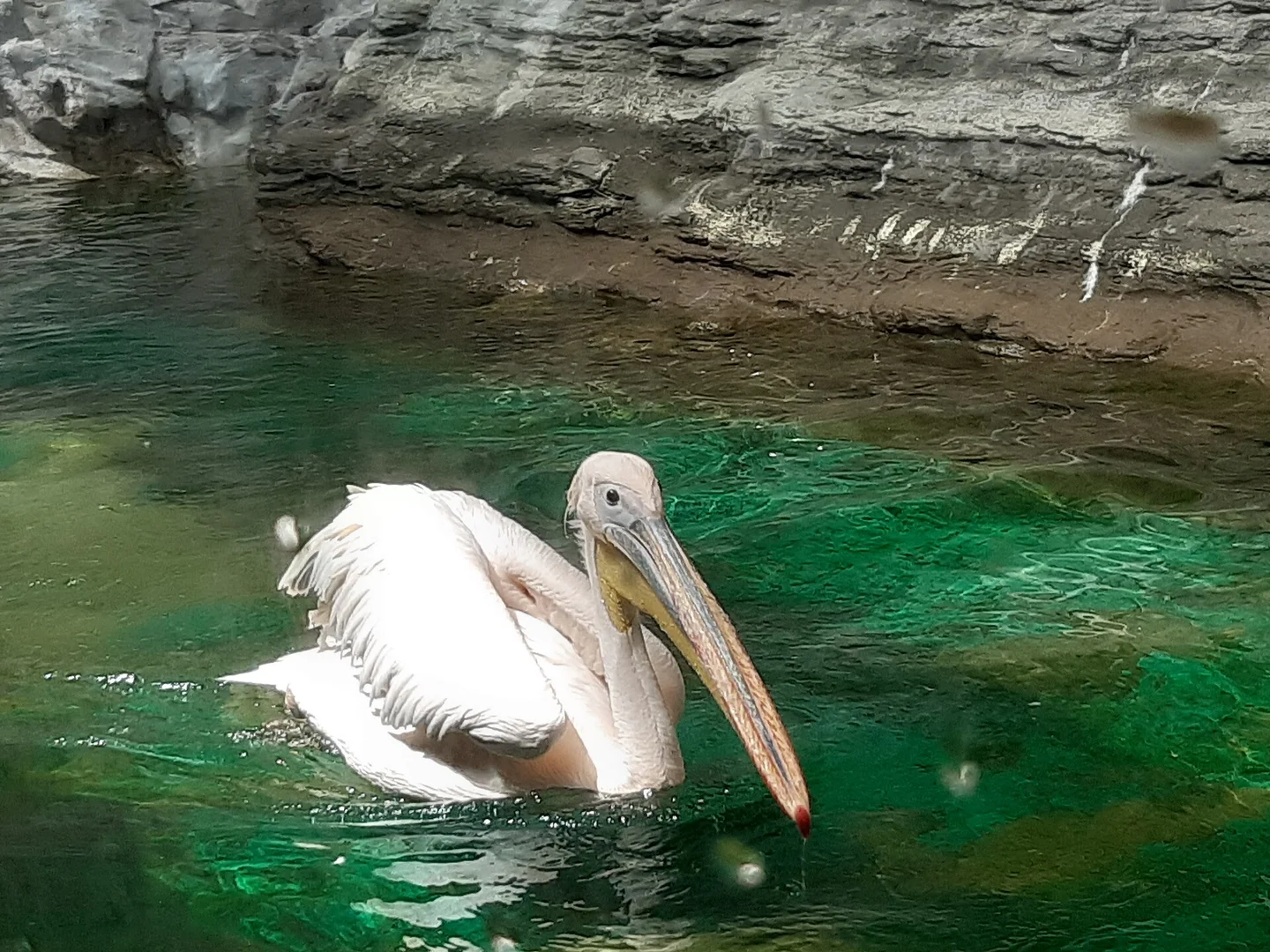
Waterbirds are a rewarding first stop for younger children: there’s movement to follow, and the birds’ beaks, feet and swimming styles give you something to compare without a long explanation. With pelicans, look for the enormous bill and the way the bird balances on land before gliding through the water. A few quiet minutes can be more interesting than immediately moving to the next enclosure. From waterbirds to grazing animals
Handan99 · Original · CC BY-SA 4.0 ·
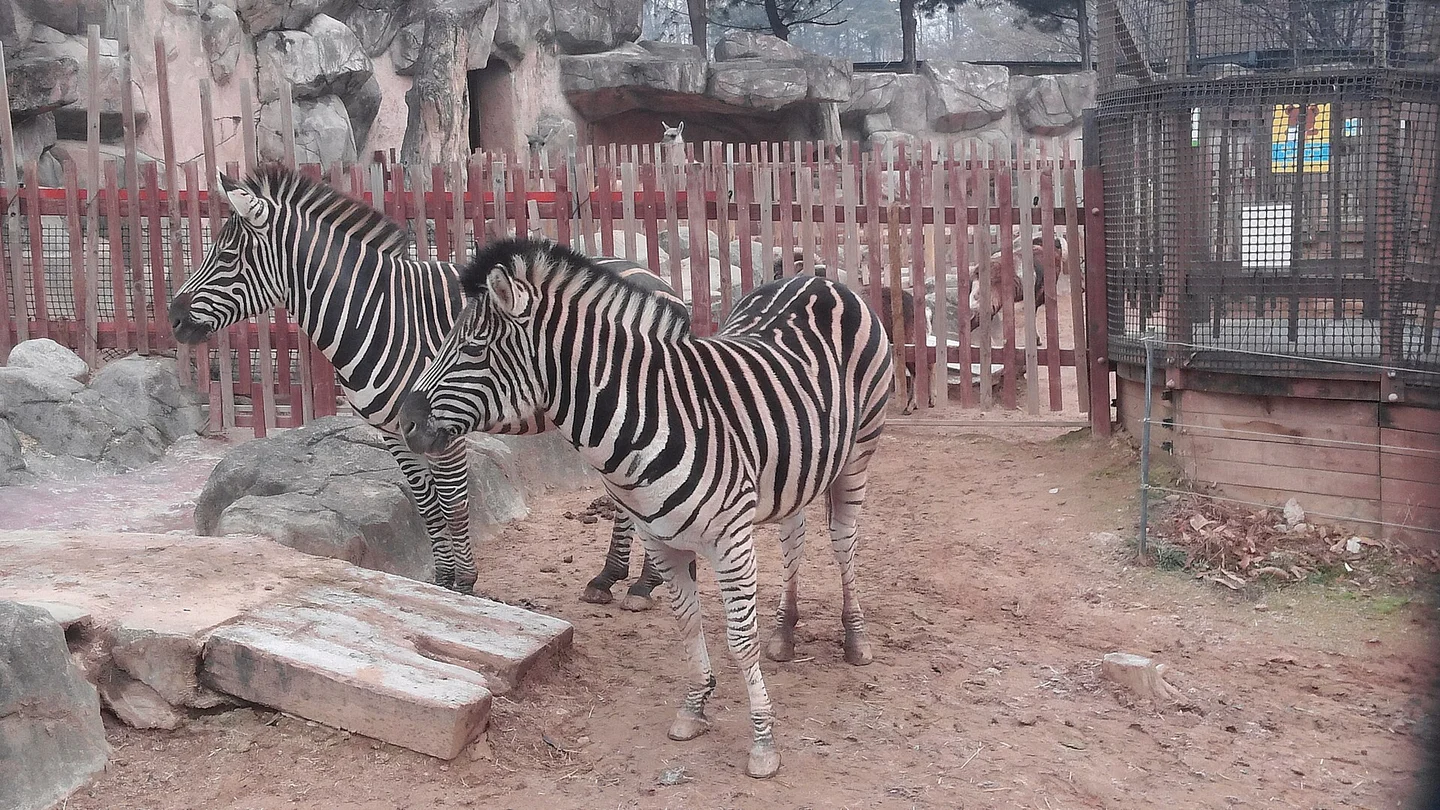
The herbivore area adds a different kind of watching. Zebra stripes are easy to recognize, but their shifting ears, grazing and interactions provide plenty to notice once the first excitement passes. Picking two or three animal groups creates a manageable circuit for a small child; older children may prefer to follow the habitat information and compare species. As checked October 12, 2026, the zoo’s standard viewing hours are 10 a.m.–5 p.m. Animals may stay indoors because of temperature, health or animal-care requirements, so keep your list flexible. This is a viewing visit, not an open feeding session: don’t give the animals food. Any keeper-led activity follows its own schedule. The official zoo guide is the useful reference for seasonal viewing arrangements.
Add rides if they suit your group

Peachy1234 · Original · CC BY-SA 4.0 ·
The amusement area changes the pace, with elevated tracks and rides rising above the trees. It works well as a chosen extra after the zoo or as the centerpiece for children who are more excited by movement than animals. You don’t need to buy a ride ticket to enjoy the surrounding public park. Before choosing between a limited-ride ticket and an unlimited pass, look at what each child can actually ride. Height requirements and accompanying-adult rules vary by attraction. A pass offering more rides is only useful if enough of those rides suit your child, and a nervous rider may be happier starting with one familiar-looking option. Use the ride operator’s website for the current attraction list and ticket choices. The rides have their own paid admission arrangements and operating schedule, separate from both the zoo and the park gates. On a day with mixed ages or interests, it’s perfectly practical for part of the group to ride while others take a garden break, then meet for lunch.
Book Seoul Children’s Museum before you arrive

Peachy1234 · Original · CC BY-SA 4.0 ·
Seoul Children’s Museum, also known as Seoul Sangsang Nara, is the hands-on indoor option near the main entrance. Its exhibits invite children to experiment: explore how water behaves in the science area, play with ways of communicating through expressions and gestures, or use their bodies in movement-based activities. These give families concrete things to do together rather than a long sequence of displays to read. Make it a planned visit, especially if it’s your wet-weather option. The museum’s reservation FAQ, checked October 12, 2026, calls for advance online booking by the day before. Individual reservations open two weeks ahead. Ordinary admission and separately scheduled educational programs are different bookings. The published visitor hours are 10 a.m.–6 p.m., with last entry at 5 p.m.; Mondays and specified holiday periods are closed. Admission is ₩4,000 per person for adults and children aged 36 months and older. Younger children enter free with age verification. These details were checked on the museum’s admission page on October 12, 2026. It’s a child-focused facility: adults and teenagers visiting without children face admission restrictions. For a museum-centered day, keep the outdoor plan short: museum first, lunch, then a few favorite animals. The third-floor family rest area is the designated place for packed food, while the exhibit rooms stay food-free. Strollers are stored near the first-floor ticket area rather than taken through the exhibits.
Make space for the gardens and fountain

Peachy1234 · Original · CC BY-SA 4.0 ·
The musical fountain near the main entrance is an easy pause between activities. Its jets create a small performance of their own, especially for children who are content to watch from the edge. Treat it as a viewing fountain, not a splash pad. The park’s current schedule runs seasonally from mid-March through October, with Tuesdays set aside for cleaning; wind and weather can interrupt the show. A quieter finish among the trees
Peachy1234 · Original · CC BY-SA 4.0 ·
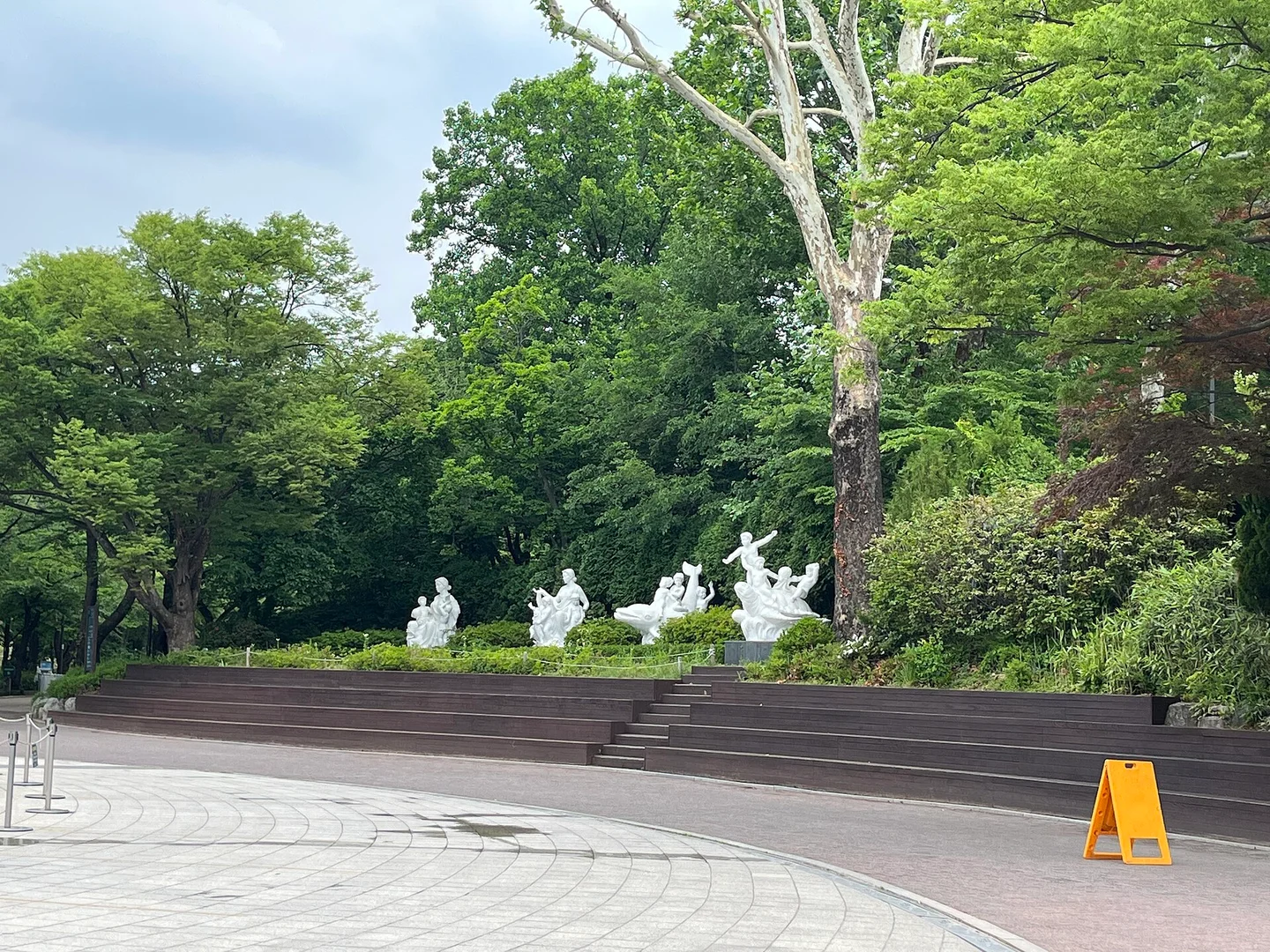
After an indoor session or a busy ride area, the sculpture gardens and tree-lined paths give everyone a little more space. A packed picnic is a useful option, though cooking equipment and alcohol aren’t allowed. Leave children’s scooters and bikes behind as well; they can’t be brought into the park. For toddlers, the practical detail worth arranging in advance is a stroller. The park lists seasonal rentals at the main and rear entrances, generally March–November, subject to availability and weather. The museum doesn’t rent them. Nursing rooms and family facilities are spread around the grounds; the main-entrance information center is a useful starting point for locating the nearest one. A satisfying route can be as simple as the main entrance, waterbirds and herbivores, a lunch break, then the gardens on the way out. Families choosing the rides can continue toward the rear gate and Achasan Station. The park’s flexibility is its strongest feature: you can build a full day here, but a modest outing still delivers animals, play and a generous stretch of green.