Mullae-dong: Steel Workshops, Street Art, and a Different Kind of Seoul Afternoon
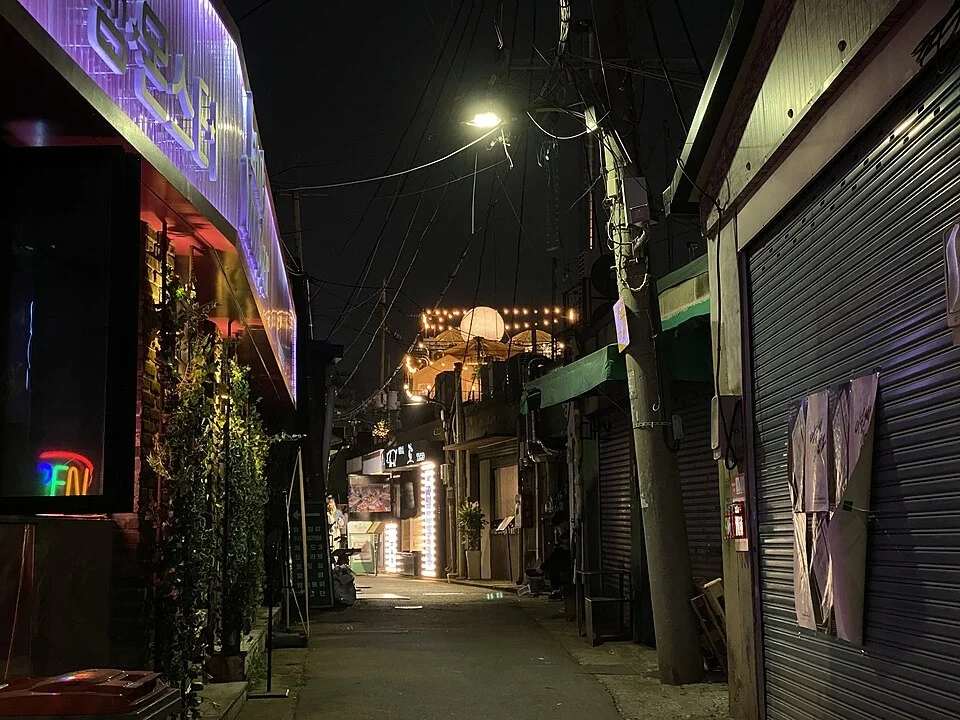
Mullae’s appeal is in the close quarters. A restaurant lights up beside a metalworking shop; a painted shutter faces a delivery truck; a narrow lane leads from industrial signs to a tiny cafe. For travelers interested in how a city changes, this neighborhood offers something more absorbing than a neatly preserved historic street. Several versions of Seoul are still using the same blocks. Come for an unhurried walk, then give yourself somewhere to sit and take it all in. An afternoon that runs into early evening lets you see the streets in daylight and finish with the smaller restaurants and bars coming to life. If murals are your main interest, daylight matters more than the nightlife. If you want to see the working district, choose a weekday rather than assuming every workshop will be active on a weekend. You’ll find the area listed as Mullae Art Village, Mullae Creative Village, or Mullae Changjakchon. These names describe a neighborhood, not a single attraction with a ticket booth or one set of opening hours.
A Starting Point for the Alleys
나선우 · Original · CC BY-SA 4.0 ·
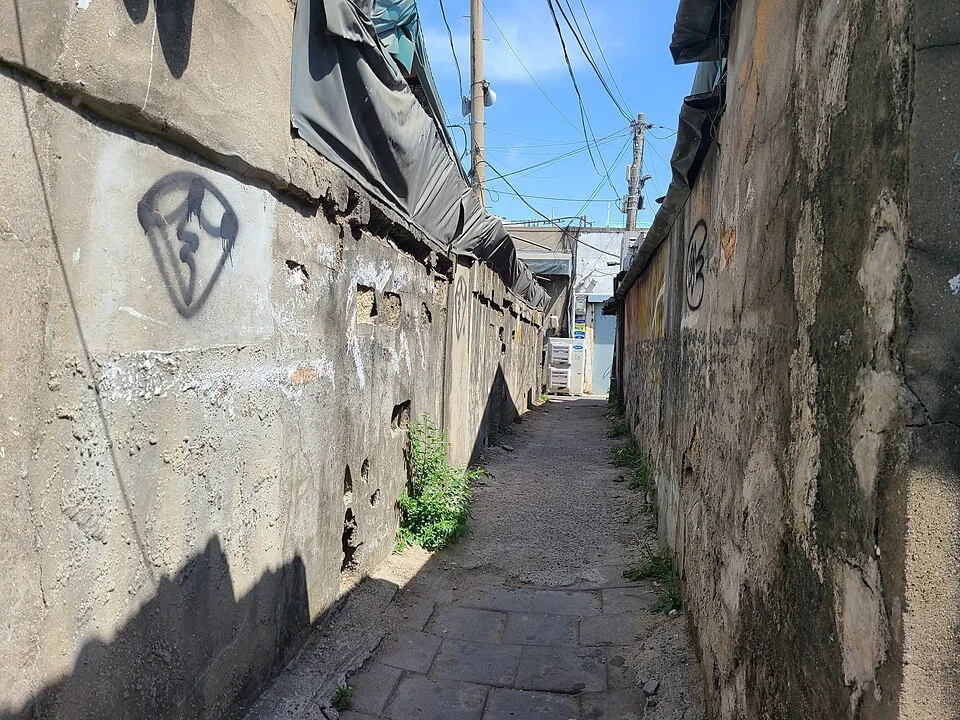
Take Subway Line 2 to Mullae Station. Exit 7 is a useful starting point for the creative-village lanes and SoolSool Center; the center’s own directions put it about ten minutes away on foot. Save the center or another named public venue as your first destination, then explore the surrounding streets rather than navigating to a vague pin covering the whole neighborhood. The layout becomes easier once you recognize the larger roads. Walk a little into the side streets, return to a main road when you need to reorient, and leave room for a detour. The district’s official alley-walk map helps place the station, neighborhood park, and metalworking streets in relation to each other. You don’t need to follow every stop. For planning, allow around an hour for a first walk, then add time for a cultural space and food. That’s a flexible starting point, not a completion time. Mullae is best suited to people who enjoy small discoveries rather than a sequence of major monuments.
Read the Neighborhood Through Its Working Streets
Ramiyam07 · Original · CC BY-SA 3.0 ·
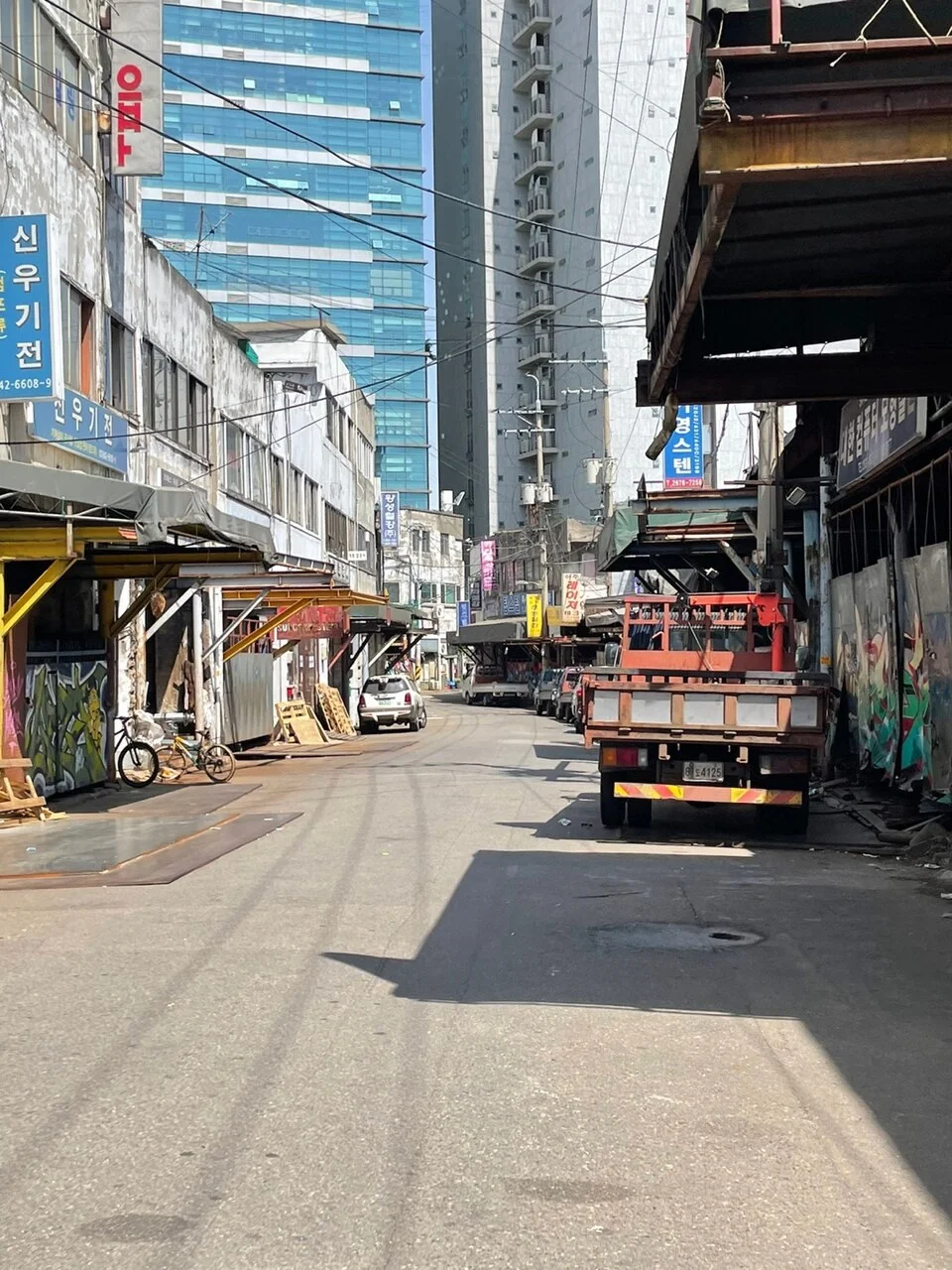
Mullae became a center for small metalworking businesses before artists began taking studios here in the early 2000s. Available industrial spaces offered room to work, and creative uses gradually joined the existing trades. Understanding that overlap makes the walk more interesting: the workshops aren’t simply props for the cafes, and the artistic community didn’t arrive as one finished redevelopment project. Look at the practical details of the buildings. Wide openings make room for materials; awnings extend workspaces toward the street; lettering advertises specialist trades. Against that background, a small hand-painted sign or newly fitted doorway says something about the latest use of a particular unit. You can notice all of this from the public street. The working environment calls for a little awareness. Keep loading doors clear, make space for vehicles, and ask before photographing workers or pointing a camera into a shop. Metalworking interiors are workplaces, not demonstration rooms. This is the main boundary to understand; there’s no reason to turn the rest of the walk into a long list of rules. A quieter day has its own interest. Closed shutters reveal different surfaces and make the outlines of the low buildings easier to read. The neighborhood changes with the workday as well as with the seasons.
Let the Street Art Surprise You
Bellalee1205 · Original · CC BY-SA 3.0 ·
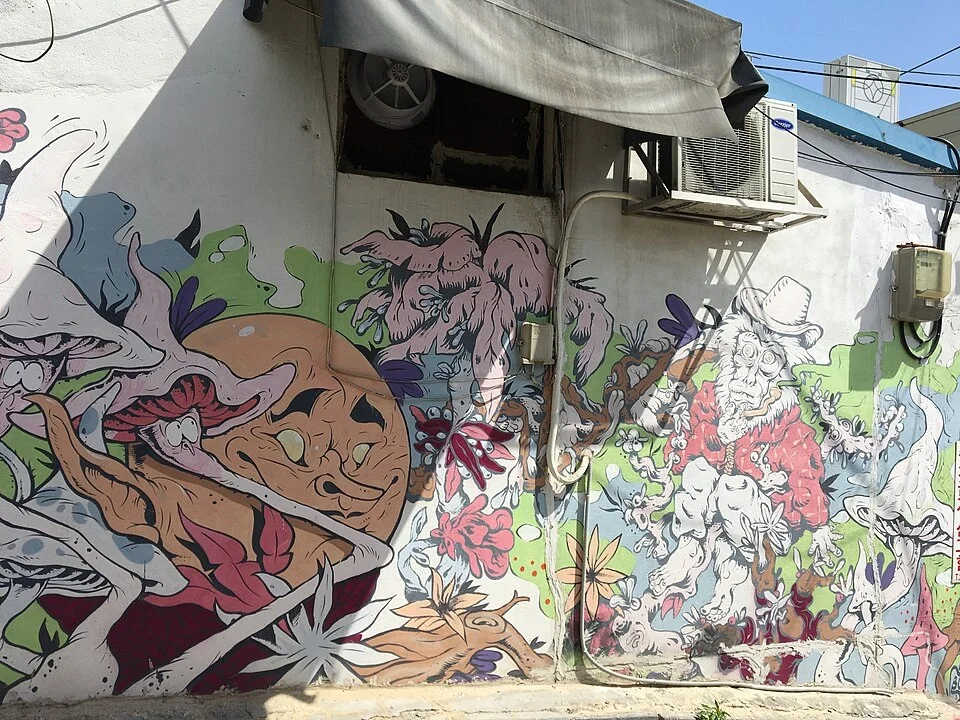
Murals here share their surfaces with pipes, vents, shutters, and air-conditioning units. That makes them feel closely tied to the buildings rather than hung against a neutral background. Look for the way a line bends around a window or a painted figure uses a narrow piece of wall. Small signs and sculptural details are just as rewarding as a large mural. It’s worth putting the map away occasionally, once you know how to return to a main road. A short lane can offer enough texture, color, and changing light for a satisfying stop. You don’t need to identify every artist or recreate a particular social-media photograph to enjoy the area. Outdoor work changes, so treat older photographs as an introduction to the neighborhood’s character rather than an inventory. A repainted wall or a different storefront doesn’t mean you’ve come to the wrong place. For indoor art, look for a posted exhibition or open-studio invitation: an artist’s studio can be private even when its entrance looks intriguing.
SoolSool Center Gives the Walk Some Context
온뉴 · Original · CC BY-SA 3.0 ·
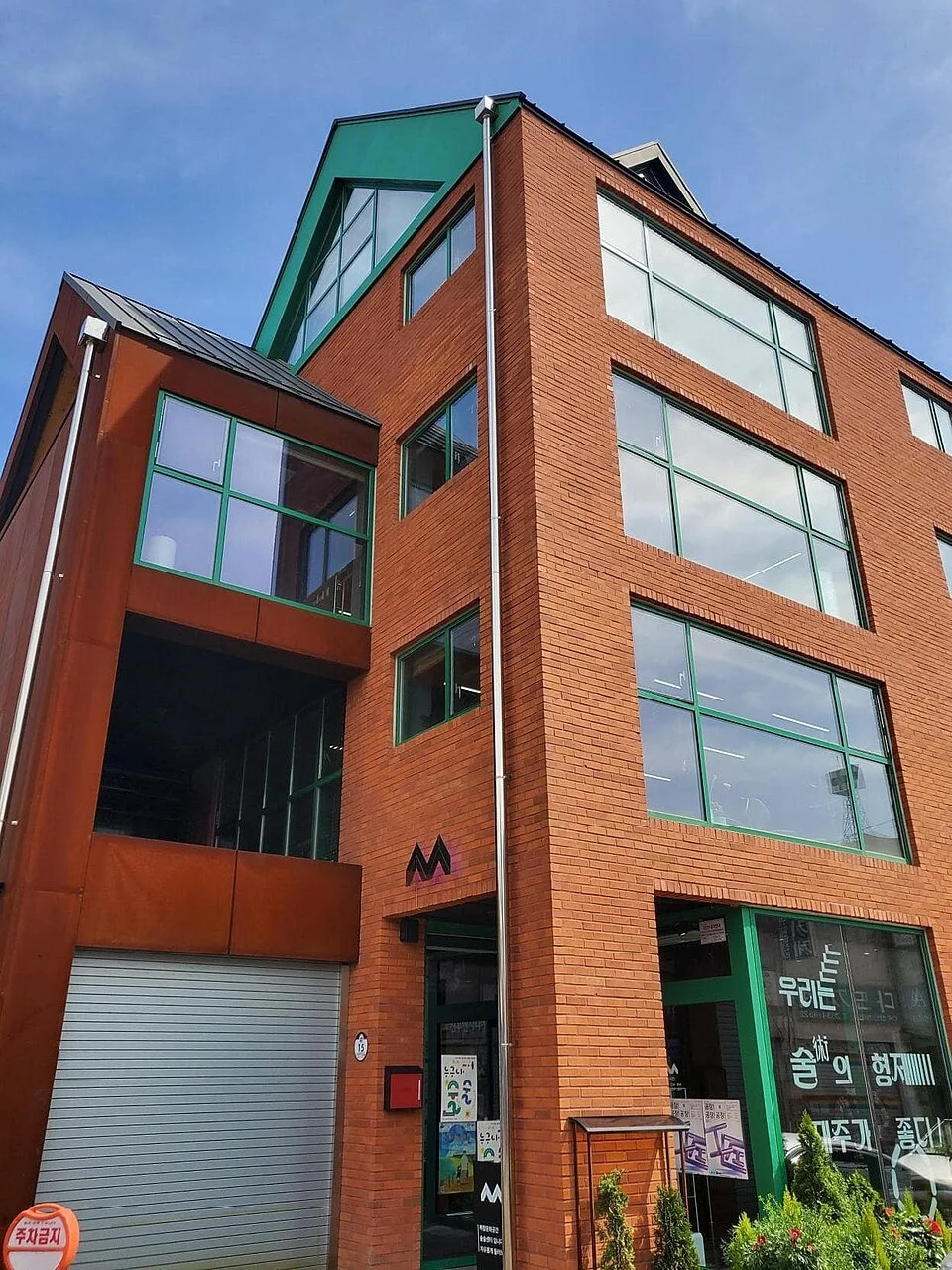
The red-brick building with green-framed windows is SoolSool Center, a useful cultural stop amid the lanes. Its purpose brings together the two kinds of making associated with Mullae: art and technology. The name plays on the shared ending in the Korean words yesul, meaning art, and gisul, meaning technology. Look for the current exhibition or publicly accessible spaces rather than expecting a conventional museum circuit. The center supports collaboration and programs as well as visitors. Korea Tourism Organization’s 2026 neighborhood guide describes exhibitions and an open lounge, making it a good candidate for a pause that adds substance to the walk. At the entrance, see what is open that day before heading between floors. As checked October 12, 2026, the Yeongdeungpo Cultural Foundation’s visitor page lists Tuesday–Friday hours of 10 a.m.–7 p.m. and Saturday–Sunday hours of 10 a.m.–6 p.m., with closures on Mondays and public holidays. A particular workshop or event may require its own reservation. If an indoor visit matters to you, build the walk around the center’s opening day; otherwise, the neighborhood can be explored independently. The center has no dedicated parking, which is another reason to arrive by subway. It also makes a clear landmark to save when you’re navigating the surrounding lanes.
Choose a Cafe, Then Let the Evening Develop
온뉴 · Original · CC BY-SA 3.0 ·
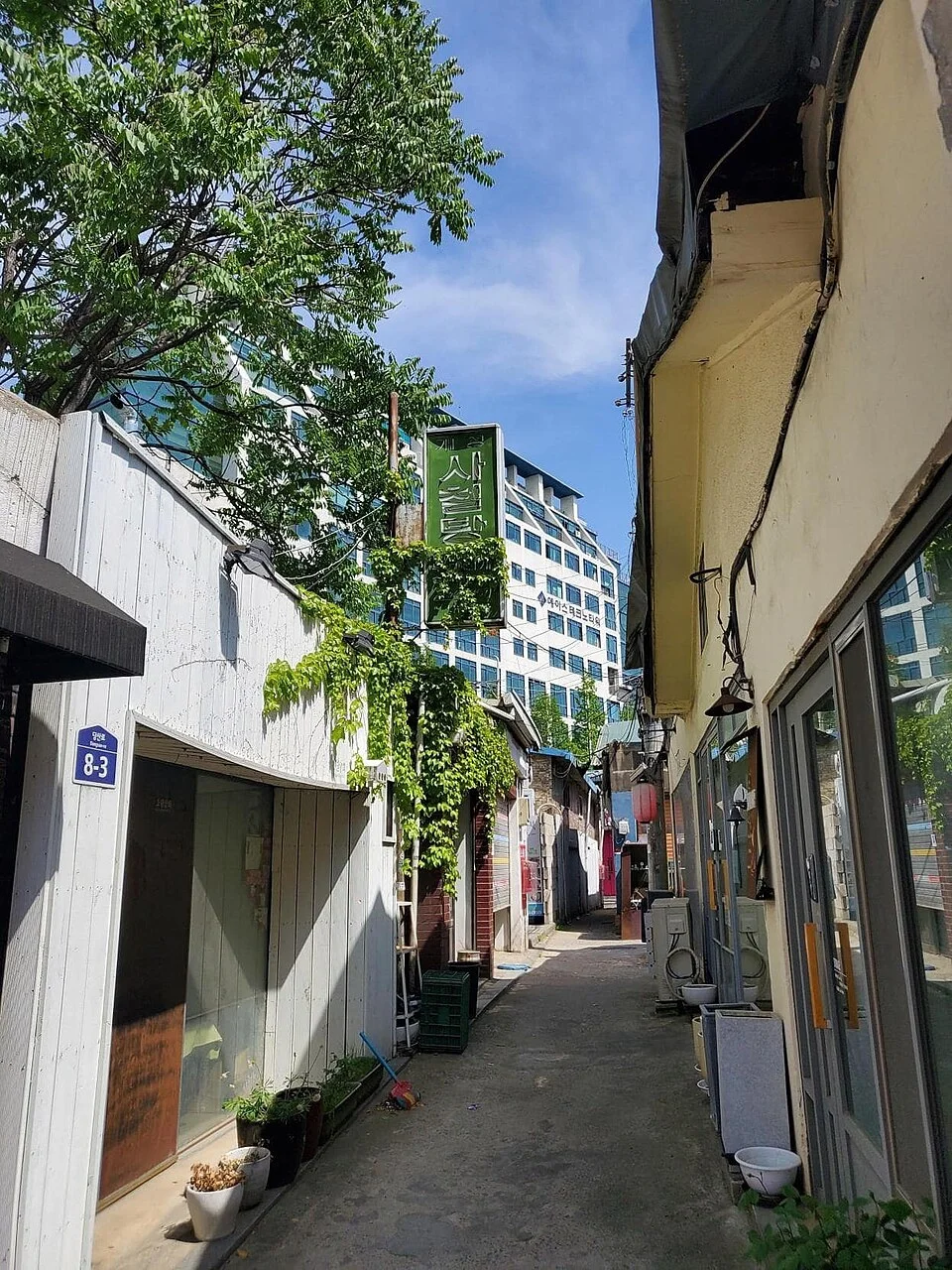
Mullae’s cafe and dining scene is part of the interest, but a long queue isn’t a requirement for a good visit. Pick a place for something you actually want: coffee and a quiet table, a substantial meal, or a drink after sunset. Check the menu and entrance as well as the facade. Two neighboring doors can lead to a public business and a private workshop. For a named option that fits the neighborhood’s reuse of industrial buildings, La Crescenta (라크라센타) occupies a former paper-factory space. The Korea Tourism Organization’s May 2026 guide highlights its high-ceilinged interior and brunch offerings, including an Italian-style take on tteokbokki, Korea’s chewy rice cakes. It’s a separate cafe stop to locate on your map, rather than something to expect immediately beside every mural. Use its current menu and hours when deciding whether to make the detour. If you’d rather stay among the smaller lanes, choose a cafe you pass during the daylight walk and return when you’re ready for a break. This leaves more room for discovering the neighborhood than arranging the day around several distant food recommendations. With limited time, one satisfying stop is enough. After dark, lit windows and signs draw attention away from the daytime workshop fronts. Finish along the active restaurant streets, then head back toward the station. The value of a Mullae visit lies in those shifts: workspaces, artwork, and places to eat occupying the same modest buildings, each following a different daily rhythm.